

Seating Island Guide: Kitchen Island Seating Ideas and Layout Tips

Seating Island Guide Index
- Seating Island Overview
- What Is a Seating Island
- When Does a Seating Island Make Sense
- What Layout Features Make a Seating Island Work Well
- How Do Stool Space and Overhang Affect Comfort
- How Much Storage Can a Seating Island Still Hold
- What Installation Details Matter Most
- What Affects Seating Island Cost
- What Mistakes Should Homeowners Avoid
- How Should You Plan a Seating Island Remodel
- Frequently Asked Questions About Seating Islands
Seating Island Overview
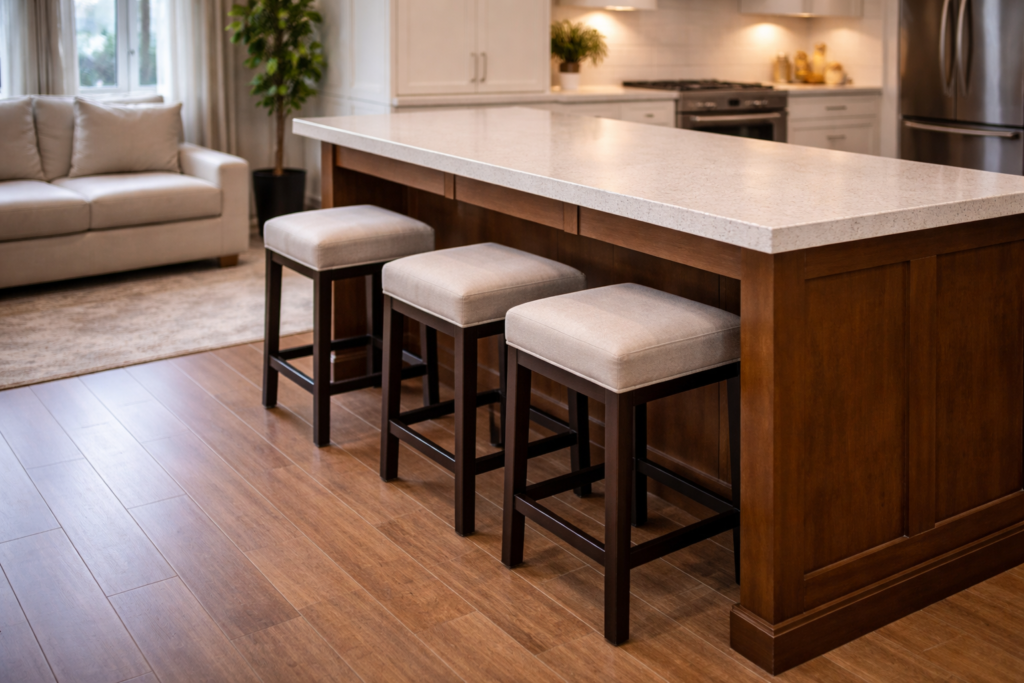
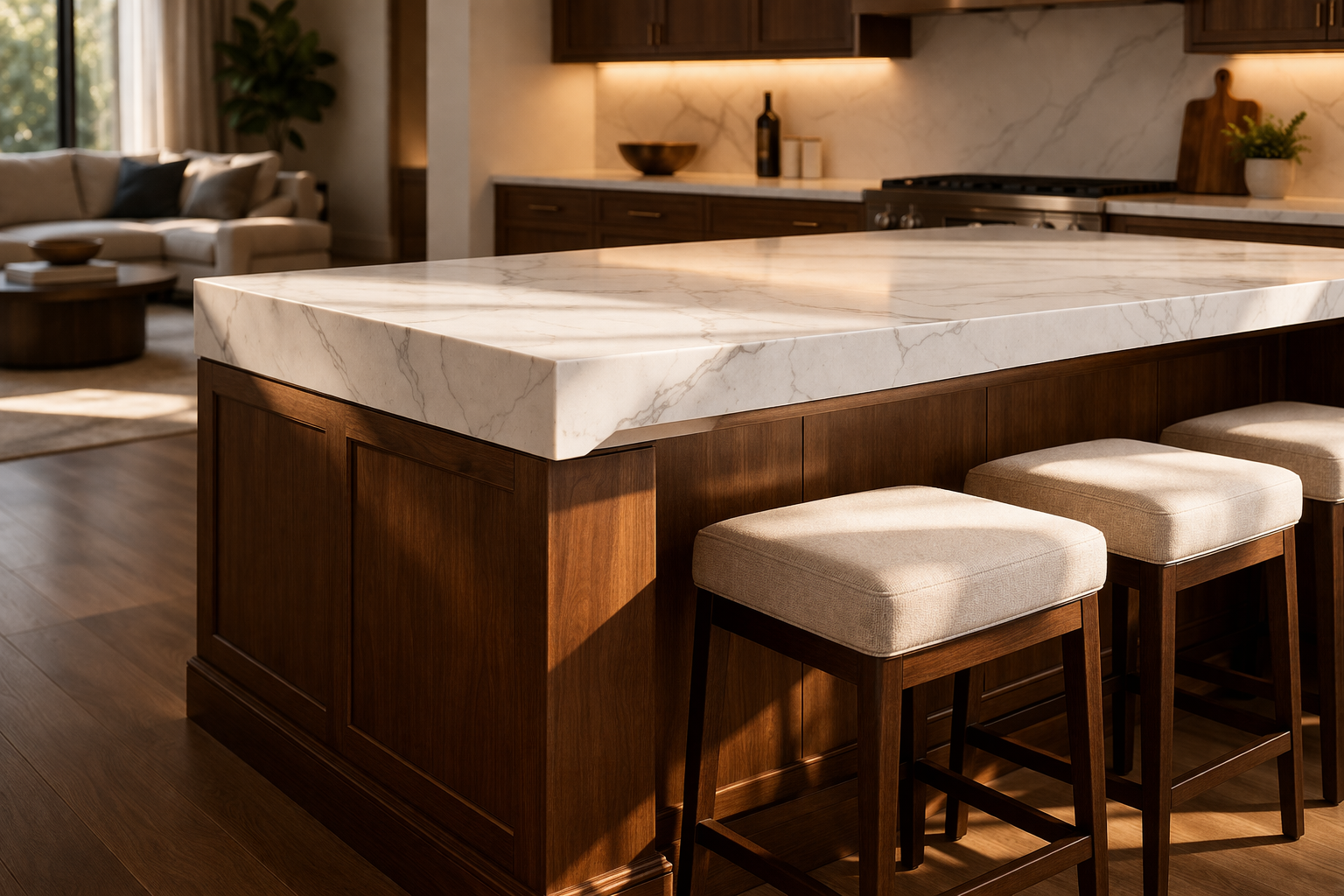
A seating island is designed to make the kitchen more social and more flexible. Instead of functioning only as a work surface, the island also gives people a place to sit for quick meals, conversation, homework, or keeping the cook company during everyday kitchen use.
Why do homeowners want a seating island?
They want the kitchen to support gathering, not just cooking. In many homes, island seating becomes the place where kids eat breakfast, guests sit during parties, or someone opens a laptop while dinner is being made. That everyday use is a big reason seating islands stay popular.
What is the tradeoff compared with a work-focused island?
The tradeoff is space. Once the island needs knee room, stool spacing, and circulation around seated people, some storage and some prep efficiency may be reduced. A good island design decides early how much of the island should belong to seating and how much should still belong to work.

What Is a Seating Island
A seating island is a kitchen island designed with countertop overhang and leg room so people can sit at it comfortably. It may serve as a casual eating area, a conversation spot, or a multipurpose surface for meals, work, and daily family use. Some seating islands also include storage, outlets, sinks, or prep space depending on the kitchen layout. For layout and clearance planning, many designers reference NKBA planning guidelines.
How is it different from a dining table?
A seating island is more integrated into the working kitchen. It often sits closer to prep zones, has a taller surface, and may share duties with storage and cooking support. That makes it more flexible in some homes, though not always as comfortable for long seated meals as a dedicated dining table.
Can one island handle both seating and prep?
Yes, but only if it is sized and planned correctly. Trying to make a small island do everything can create compromises that weaken both the seating and the work surface. The best mixed-use islands are deliberate about where each function belongs.
When Does a Seating Island Make Sense
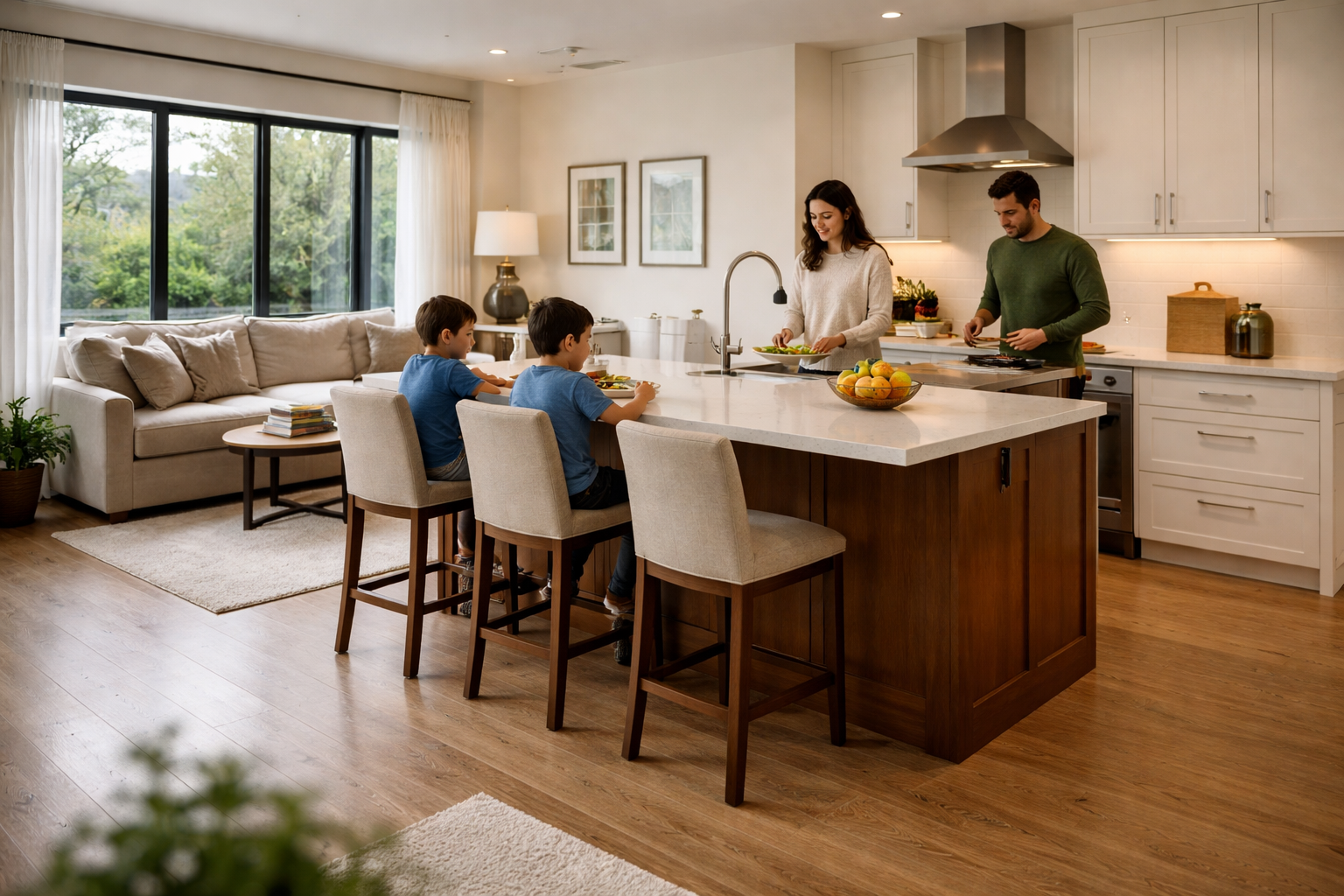
A seating island makes sense when the kitchen has enough room to support sitting without blocking circulation or making the work zones feel cramped. It is especially useful in open-concept kitchens where the island helps connect cooking space with dining or living areas. For a closer look at this part of the project, homeowners can explore kitchen remodeling.
Is it a good fit for family kitchens?
Very often, yes. A seating island can become a practical everyday surface for snacks, homework, and conversation. It works well when the kitchen is the center of household activity and the island needs to do more than hold dishes and prep tools.
When might it not be the right move?
If the kitchen is too tight, if the island would crowd appliance paths, or if there is already plenty of seating nearby, forcing stools into the plan may not be worth it. Some kitchens work better with a smaller work-focused island or a peninsula instead.

What Layout Features Make a Seating Island Work Well
A good seating island needs enough room for stools, enough circulation behind seated people, and enough countertop depth to support comfortable overhang without making the island feel oversized for the room. It also needs to work with nearby appliances, cabinet doors, and traffic paths.
Why does circulation matter so much?
Because seated people take up space beyond the edge of the island. A kitchen that feels fine on paper can become awkward if someone sitting at the island blocks the path to the refrigerator, range, or sink. Good seating islands are planned for real use, not just empty-room measurements.
How does island shape affect seating?
Rectangular islands are the most straightforward because they allow clear stool spacing along one side. L-shapes, angled islands, and heavily detailed ends can work too, but they usually need more careful planning to avoid cramped corners or unusable stool positions.

How Do Stool Space and Overhang Affect Comfort
Stool spacing and countertop overhang make the difference between island seating that looks good and island seating people actually want to use. If the overhang is too shallow, knees hit the cabinet face. If stools are too close together, the island feels crowded even if the kitchen itself is large. This decision often connects directly to kitchen island remodel, especially when the goal is a more complete remodel.
What should homeowners think about besides seat count?
Comfort and usability. A kitchen island that technically fits four stools may only feel comfortable with three if the spacing is tight or the stools have arms. The better question is how many people can sit there without feeling squeezed.
Why should stool selection happen early?
Because stool size and style affect knee space, foot traffic, and how much room people actually need. Choosing stools after the island is built can expose a seating plan that looked better in drawings than it does in real life.
How Much Storage Can a Seating Island Still Hold
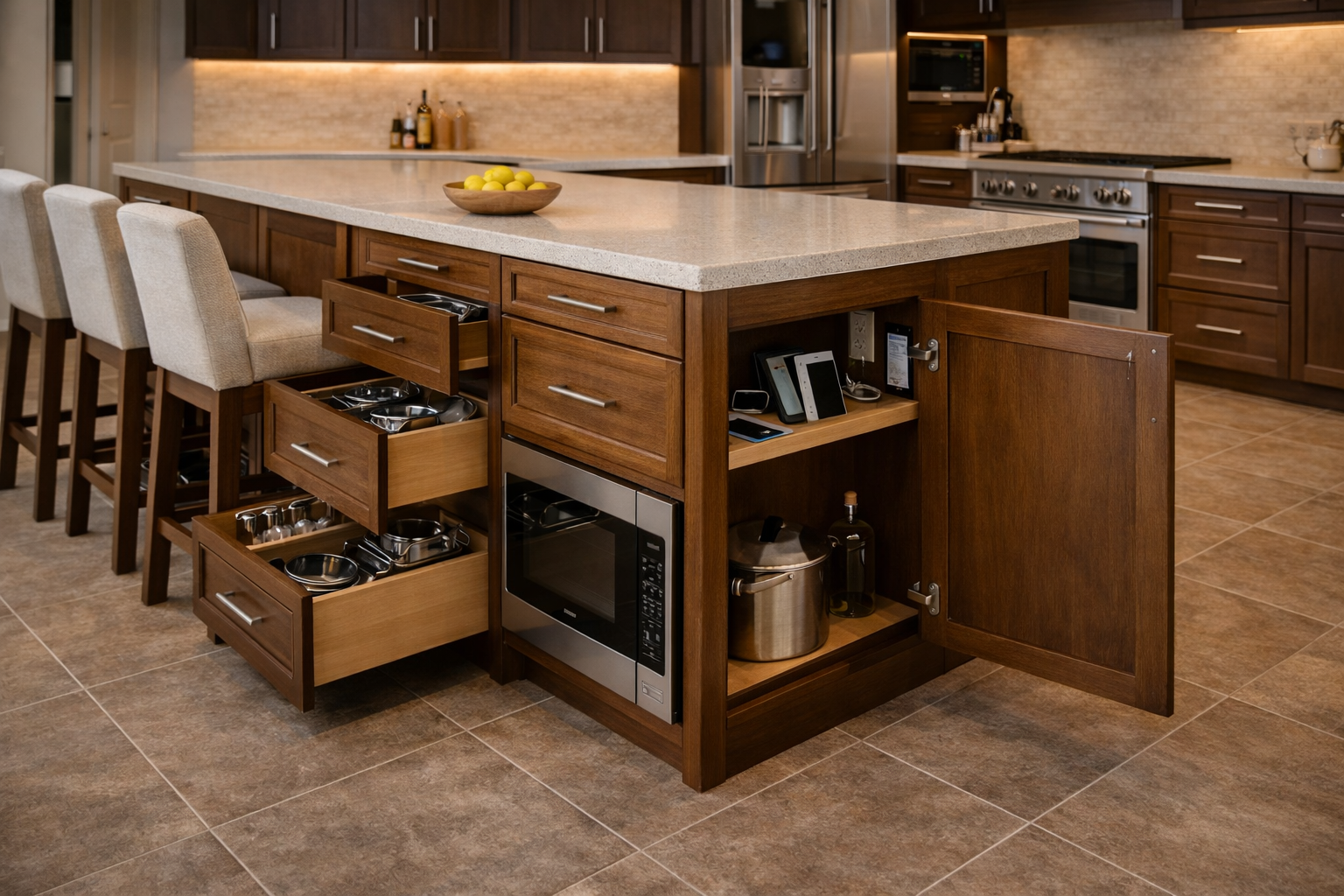
A seating island can still hold useful storage, but some cabinet depth is often given up to preserve knee room. The best designs usually keep active storage on the working side and use the seating side more selectively depending on how deep the island can be built. For layout and clearance planning, many designers reference NKBA planning guidelines.
What storage works well in a seating island?
Drawers, cabinets, microwave storage, open shelves, and charging storage can all work if the island depth allows it. The best storage depends on how the island is used and whether the seating side needs a clean simple panel or can handle some additional function.
When does storage start to fight seating?
It starts to fight seating when the island tries to keep full cabinet depth on both sides without enough overall room. That often leaves awkward knee space or a bulky island that feels too deep for the kitchen. Good island design usually accepts some tradeoff instead of pretending there is none.
What Installation Details Matter Most
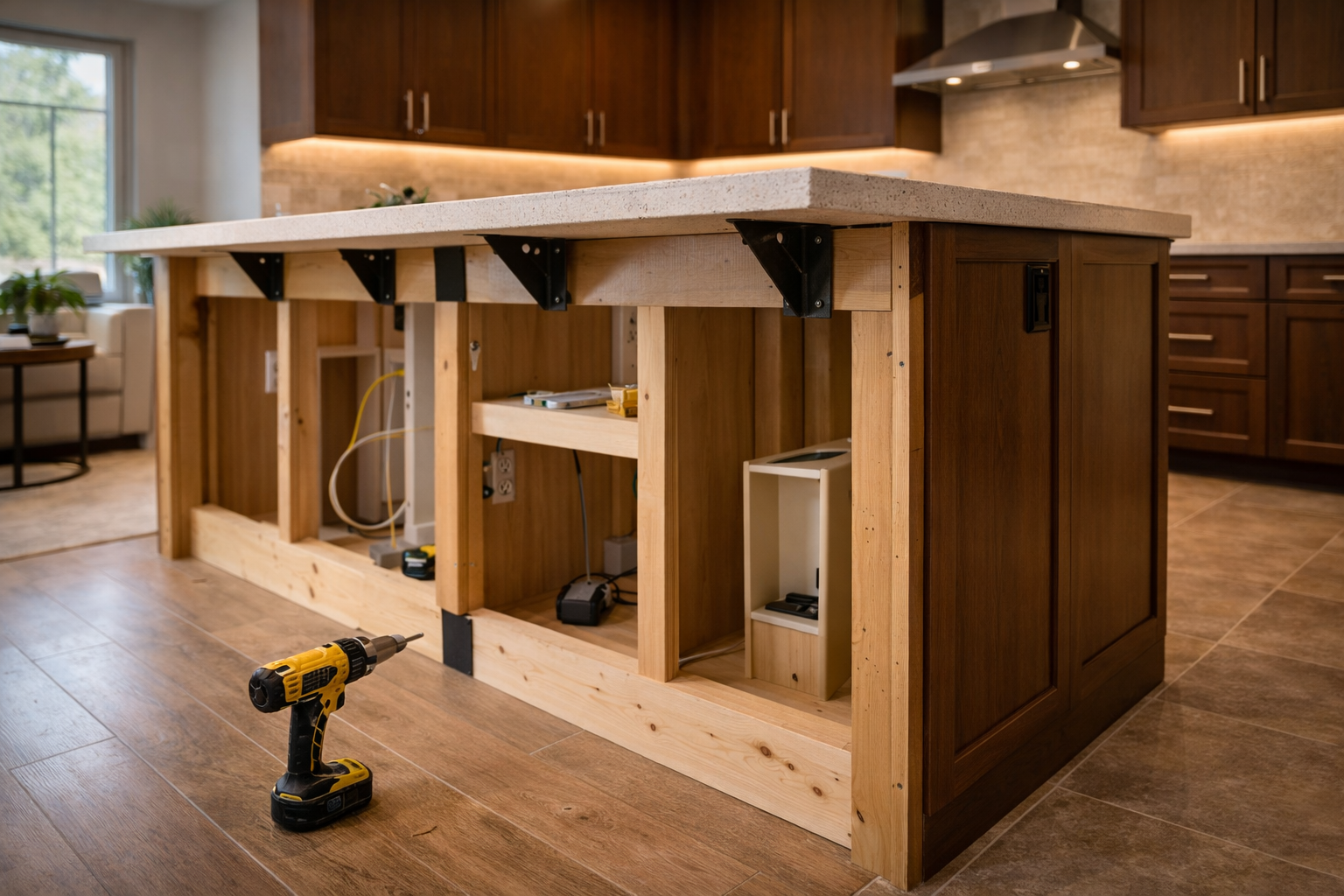
Overhang support, cabinet structure, outlet placement, lighting alignment, and final stool clearance all matter. The island has to support the countertop safely, especially if the seating side uses a deeper overhang. Electrical planning also matters if the island is meant to support laptops, charging, or small appliances.
What should be checked before construction begins?
Floor level, island dimensions, walkway clearance, support requirements, seating plan, and any electrical rough-in should all be confirmed early. Those details affect comfort as much as they affect appearance.
Why do support details matter so much?
Because deeper seating overhangs need proper reinforcement. Hidden brackets, leg supports, or other structural solutions may be required depending on the material and depth. That is not something to improvise after the countertop is installed.

What Affects Seating Island Cost
Cost depends on island size, cabinetry, countertop material, support requirements, electrical work, decorative panels, seating overhang, and whether the surrounding kitchen layout has to change to fit the island comfortably. A simple rectangular island with a modest overhang costs less than a custom island with premium stone, seating for several people, decorative ends, and integrated utilities. For technical installation guidance, many pros refer to TCNA resources.
What tends to raise cost fastest?
Custom cabinetry, large slab countertops, deep overhang support, decorative details, outlets, and layout changes usually push cost up quickly. The more the island tries to function like both a kitchen workstation and a social hub, the more details have to be built into it.
How can homeowners manage the budget?
By deciding what matters most. If the real goal is comfortable casual seating, it may be smarter to keep the island shape simple and spend on the dimensions and support details that affect comfort instead of on decorative extras that do not improve daily use.
What Mistakes Should Homeowners Avoid
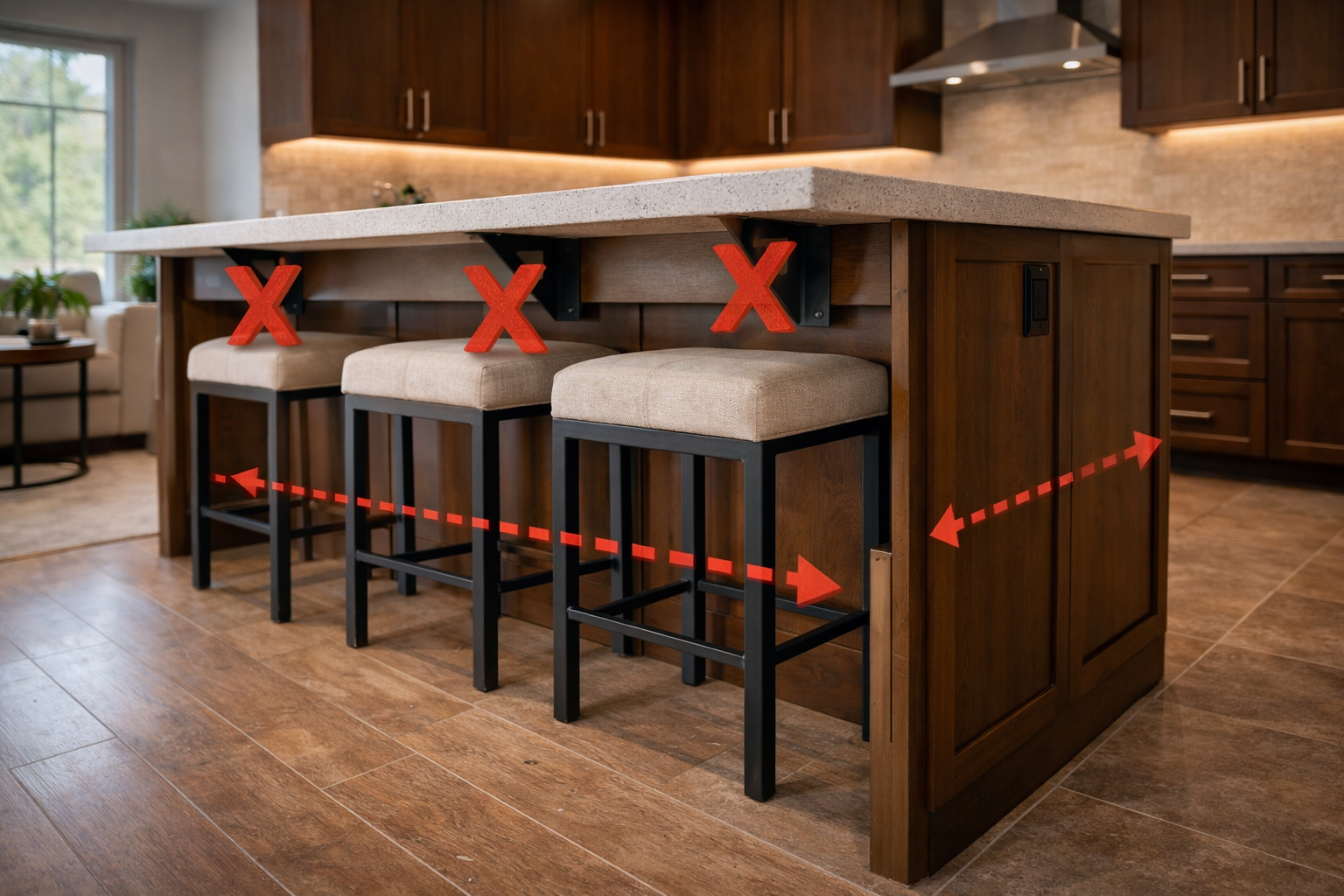
The biggest mistakes usually come from forcing too many stools onto too little island or underestimating how much room seated people actually need. Homeowners sometimes count seats based on island length alone and forget about elbow room, knee room, and the walkway behind the stools.
What planning mistakes are common?
Ignoring circulation, not testing stool widths, overestimating seating capacity, and not deciding whether the island is mainly for work or gathering are common mistakes. Another is forgetting that a deep overhang may need real structural support.
What design mistakes show up after installation?
Stools that cannot tuck in properly, traffic paths that feel blocked, and an island that looks large but still feels uncomfortable are common issues. A seating island should make the kitchen easier to live in, not harder to move through.
How Should You Plan a Seating Island Remodel
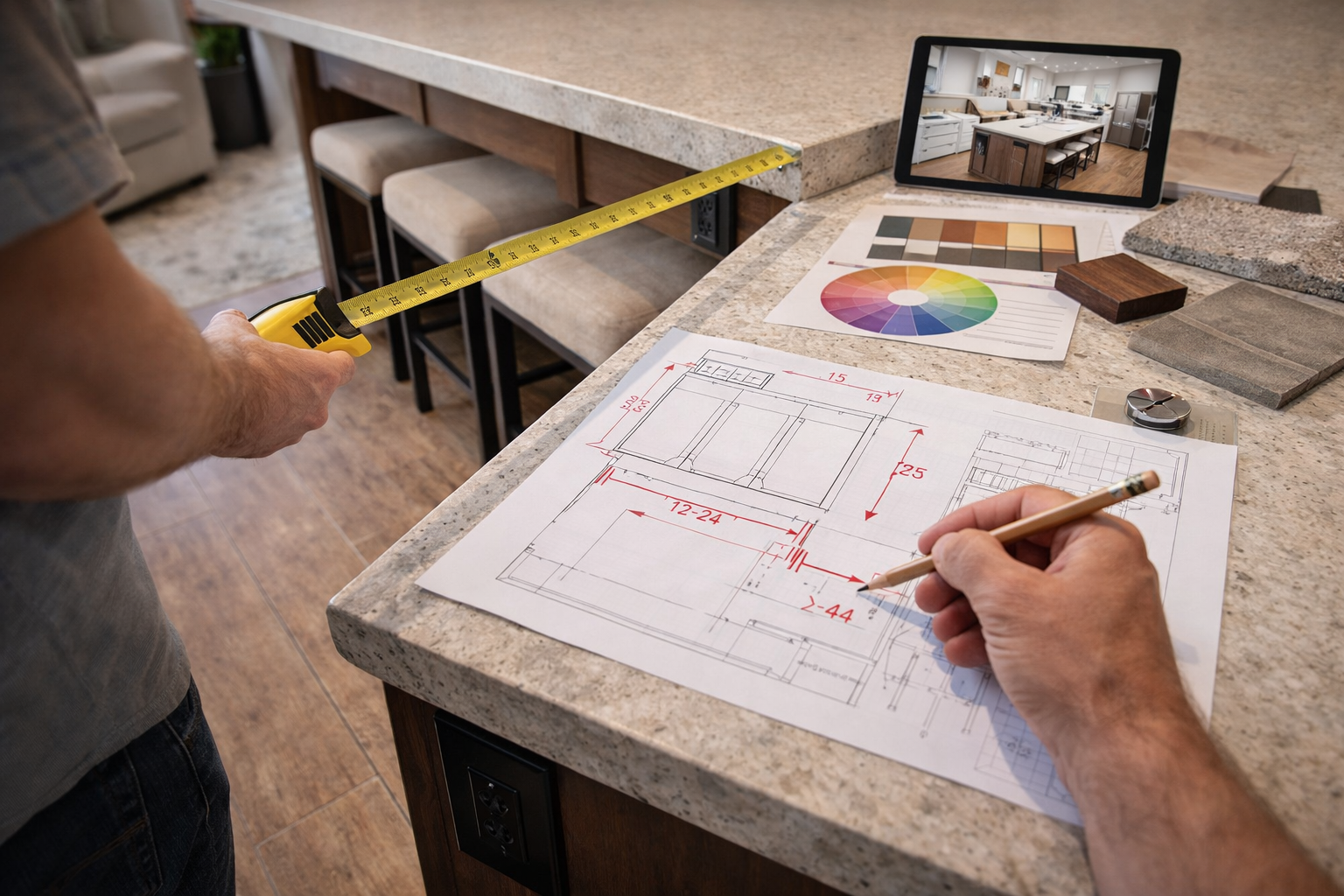
Start by deciding how the island will actually be used. If the goal is casual meals and gathering, then stool comfort, overhang, and circulation should drive the design. If the goal is to combine seating with prep, the island needs enough size to support both without weakening either one.
What should be finalized before ordering?
Island dimensions, seat count, stool size assumptions, overhang depth, support method, outlet locations, and walkway clearances should all be decided before fabrication. Those details affect whether the island works in real life, not just in the plan set.
When is a seating island the right move?
It is the right move when the kitchen needs a place for people to gather and the room has enough space to support it comfortably. Used thoughtfully, a seating island can make the kitchen more social without sacrificing the function that makes the room work every day.
Frequently Asked Questions About Seating Islands
A seating island is a kitchen island designed to include stool seating for eating, gathering, homework, or casual conversation. It usually combines countertop overhang, knee space, and circulation planning with storage and work-surface functions.
A seating island is planned around comfort and gathering, while a prep island prioritizes workspace and cooking flow. Some islands can do both, but the design has to balance seating, storage, clearance, and countertop use carefully.
The exact amount depends on stool type and countertop design, but the island needs enough overhang and knee space for people to sit comfortably. Too little overhang is one of the fastest ways to make island seating awkward or unusable.
That depends on the island length, overhang design, and how much elbow room each seat needs. A layout that looks fine on paper can feel cramped quickly if the spacing is too tight.
Yes. Many seating islands include drawers, cabinets, open shelves, or storage on the working side while preserving knee space on the seating side. The right balance depends on island depth and overall kitchen needs.
Sometimes, but only if the room can handle the extra footprint. In some smaller kitchens, a seating island improves daily use. In others, it blocks traffic and makes the layout feel crowded.
Quartz, natural stone, butcher block, and other durable countertop materials can all work. The best choice depends on the kitchen style, maintenance expectations, and whether the island will be used for meals, prep work, or both.
Often, yes. If the island will be used for laptops, small appliances, or charging, electrical planning matters. Outlet placement should be considered early so the island works well without awkward retrofit solutions.
Common mistakes include not leaving enough knee room, crowding in too many stools, ignoring walkway clearance, and trying to make one island handle too many competing functions without enough size.
Cost depends on island size, cabinetry, countertop material, overhang support, electrical work, panel detailing, storage features, and whether the surrounding kitchen layout has to change to fit the island comfortably.