

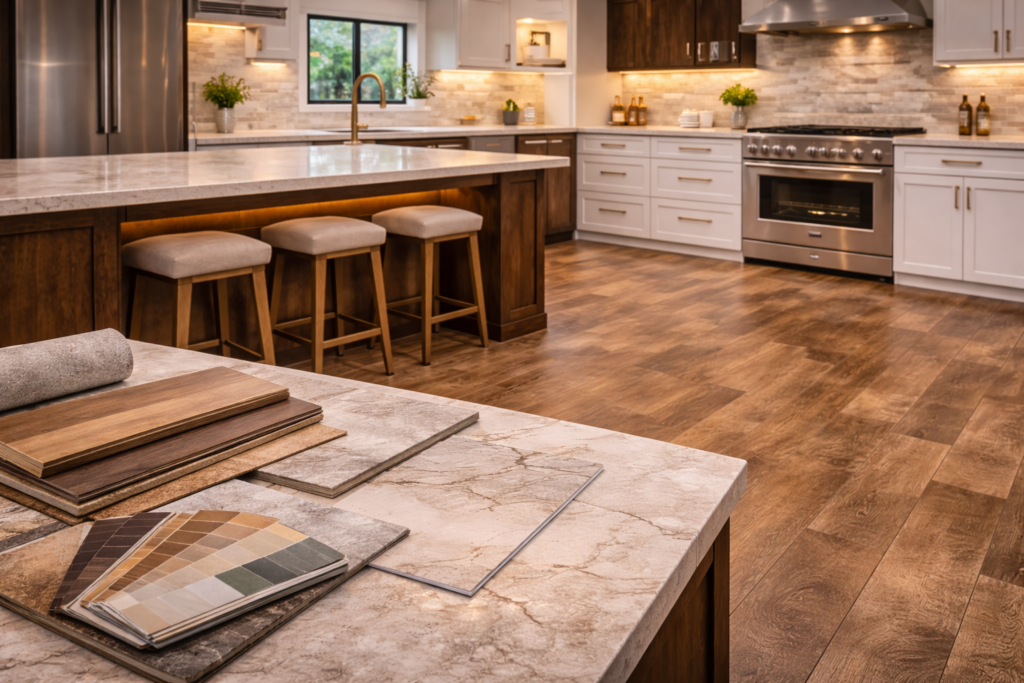
Kitchen Flooring Guide: Materials, Installation, Costs, and Planning
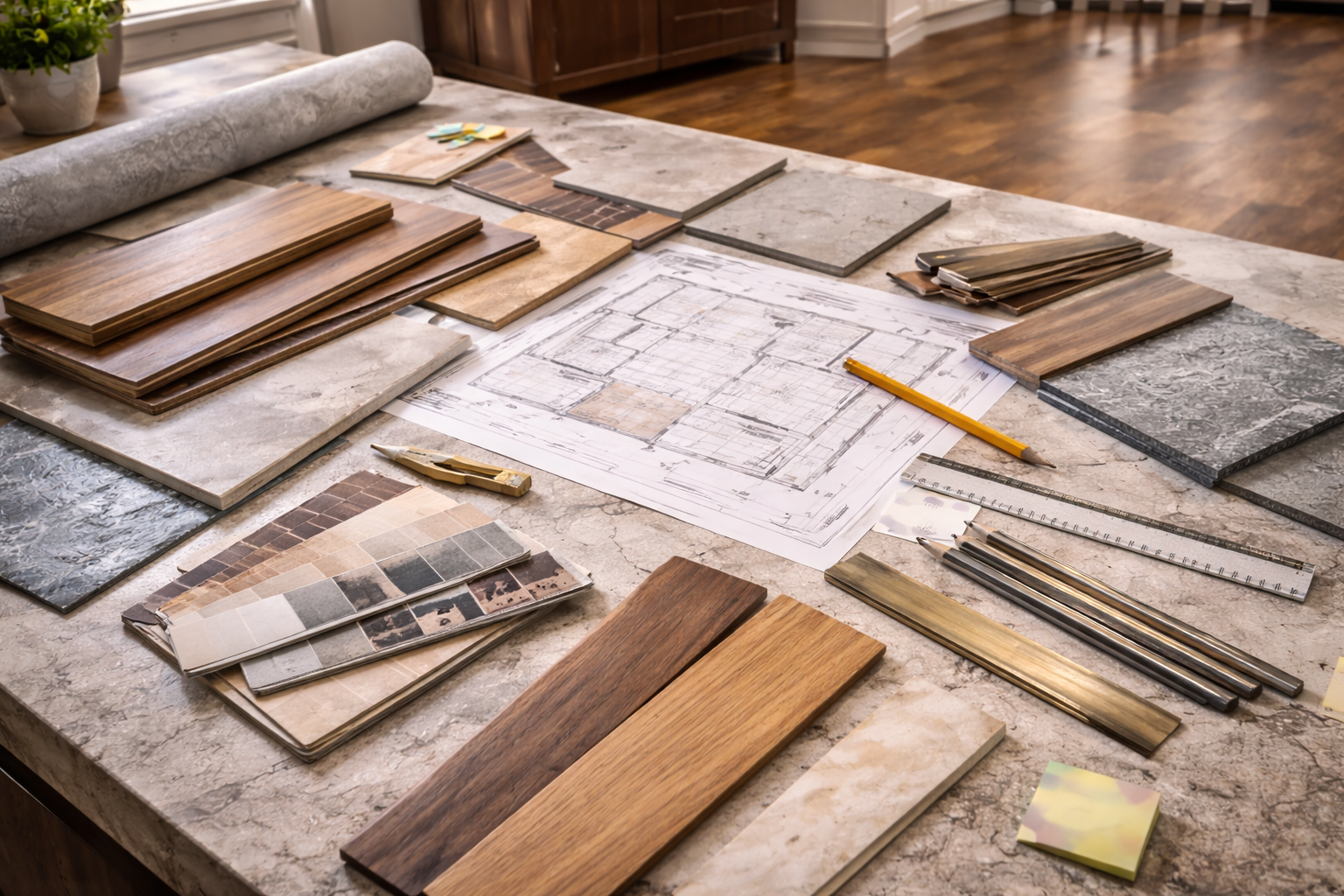
Kitchen Flooring Guide Index
- Kitchen Flooring Overview
- When Should Kitchen Flooring Be Updated
- What Types of Kitchen Flooring Are Common
- How Do Layout and Kitchen Size Affect Kitchen Flooring
- What Materials and Components Are Used in Kitchen Flooring
- What Upgrades Can Be Added During a Kitchen Flooring Remodel
- What Installation Details Matter in Kitchen Flooring
- What Affects Kitchen Flooring Cost
- What Mistakes Should Homeowners Avoid With Kitchen Flooring
- How Should You Plan Kitchen Flooring
- Related Kitchen Flooring Topics
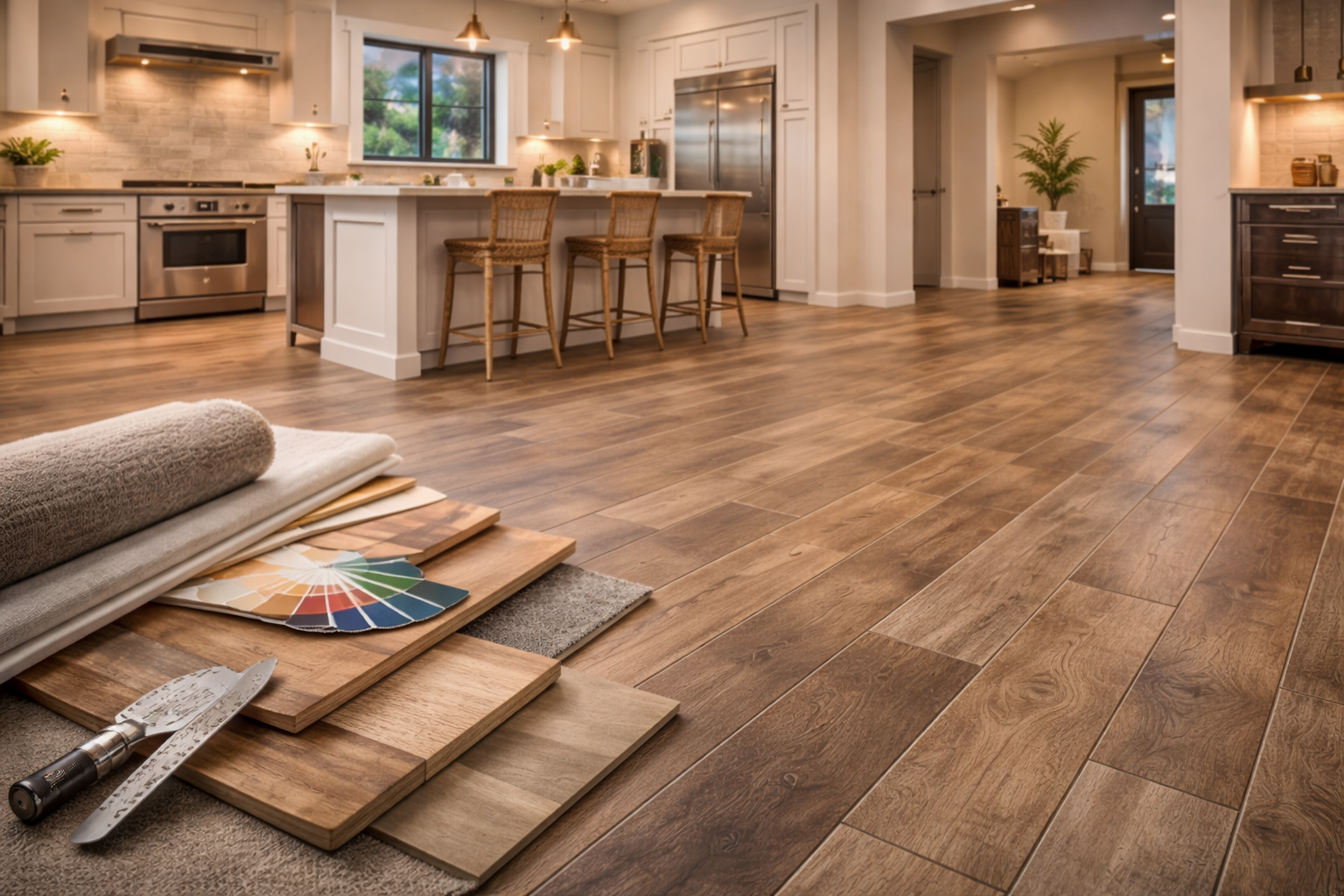
Kitchen Flooring Overview
Kitchen flooring has to handle foot traffic, spills, dropped items, chair movement, and constant daily use while still tying the whole kitchen design together. In practical remodel work, kitchen flooring means more than picking a color or pattern. It involves subfloor condition, transition height, water resistance, cleaning needs, and how the material works with cabinets, appliances, and the rest of the house.
What Gets Updated During a Kitchen Flooring Remodel
The work may include demolition of old flooring, subfloor repair, underlayment, moisture management details, new tile or plank material, transitions at doorways, and toe-kick or trim adjustments around the cabinets. In some kitchens, flooring work also connects to appliance replacement, cabinet work, or layout changes that affect how the new surface has to be installed.
What Is the Difference Between Replacing the Kitchen Floor Surface and Rebuilding the Floor System
Replacing the floor surface changes the visible material on top. Rebuilding the floor system goes deeper and may involve fixing a damaged subfloor, correcting height issues, flattening the surface, or adjusting support layers so the new flooring performs better over time. In many remodels, the deeper work is what determines whether the finished floor lasts.
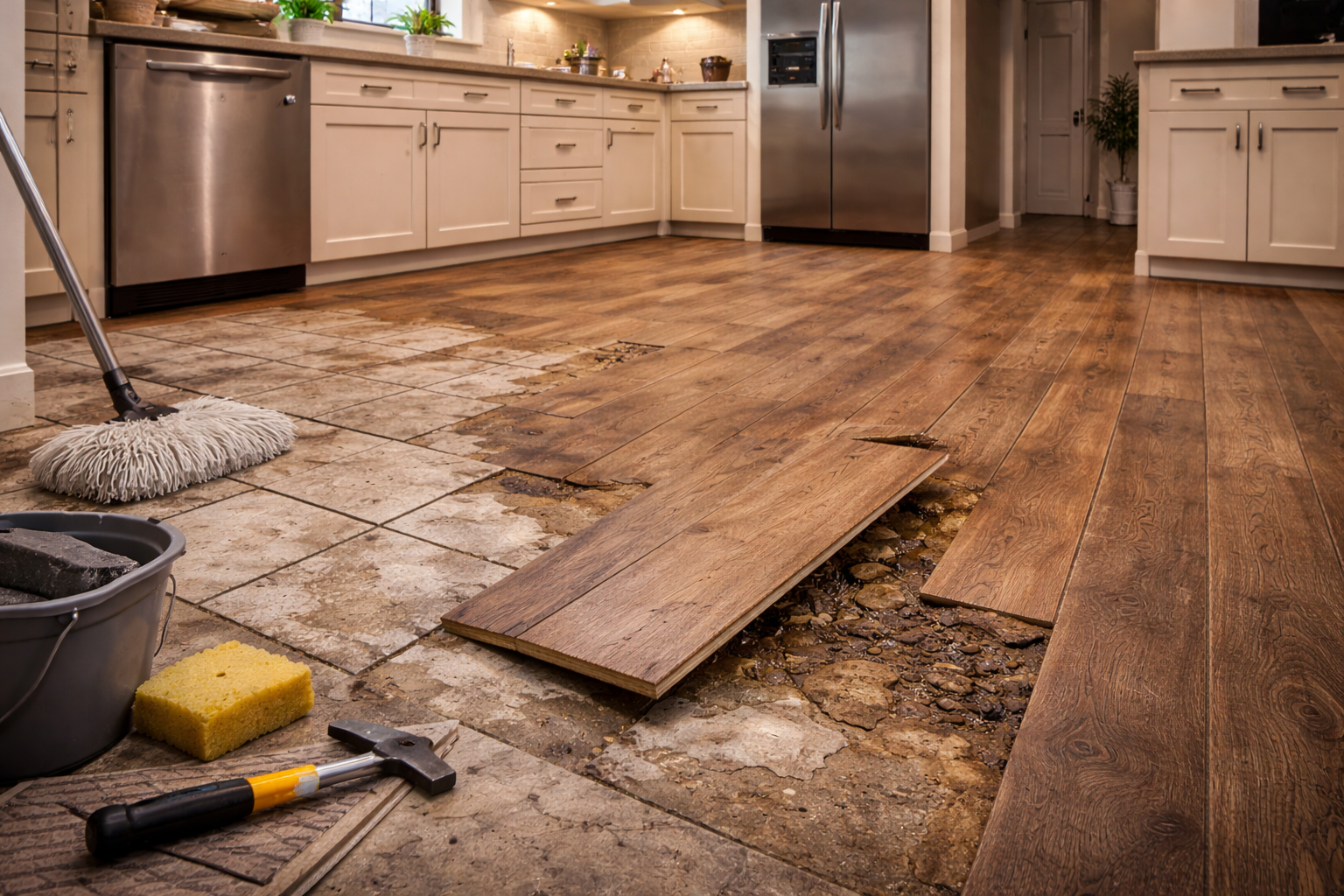
When Should Kitchen Flooring Be Updated
Kitchen flooring should usually be updated when the surface is worn, damaged, hard to clean, or no longer fits the kitchen remodel around it. Common signs include cracked tile, lifting planks, stained grout, soft spots near water sources, and flooring finishes that make an otherwise improved kitchen still feel dated. This decision often connects directly to kitchen remodeling, especially when the goal is a more complete remodel.
What Signs Show That Kitchen Flooring Is Ready for Remodeling
Clear signs include chipped tile, separated seams, water damage near the sink or dishwasher, uneven spots, floor movement underfoot, and finishes that have worn through in high-traffic zones. In some kitchens, the floor still functions but does not fit the updated cabinets, countertops, or appliances around it.
What Remodeling Goals Usually Lead to Kitchen Flooring Upgrades
Flooring upgrades are common when homeowners want better durability, easier cleaning, stronger water resistance, or a kitchen that feels more cohesive from cabinet toe-kick to doorway transitions. They are also common when a larger kitchen remodel exposes how outdated the old floor really is.
What Types of Kitchen Flooring Are Common
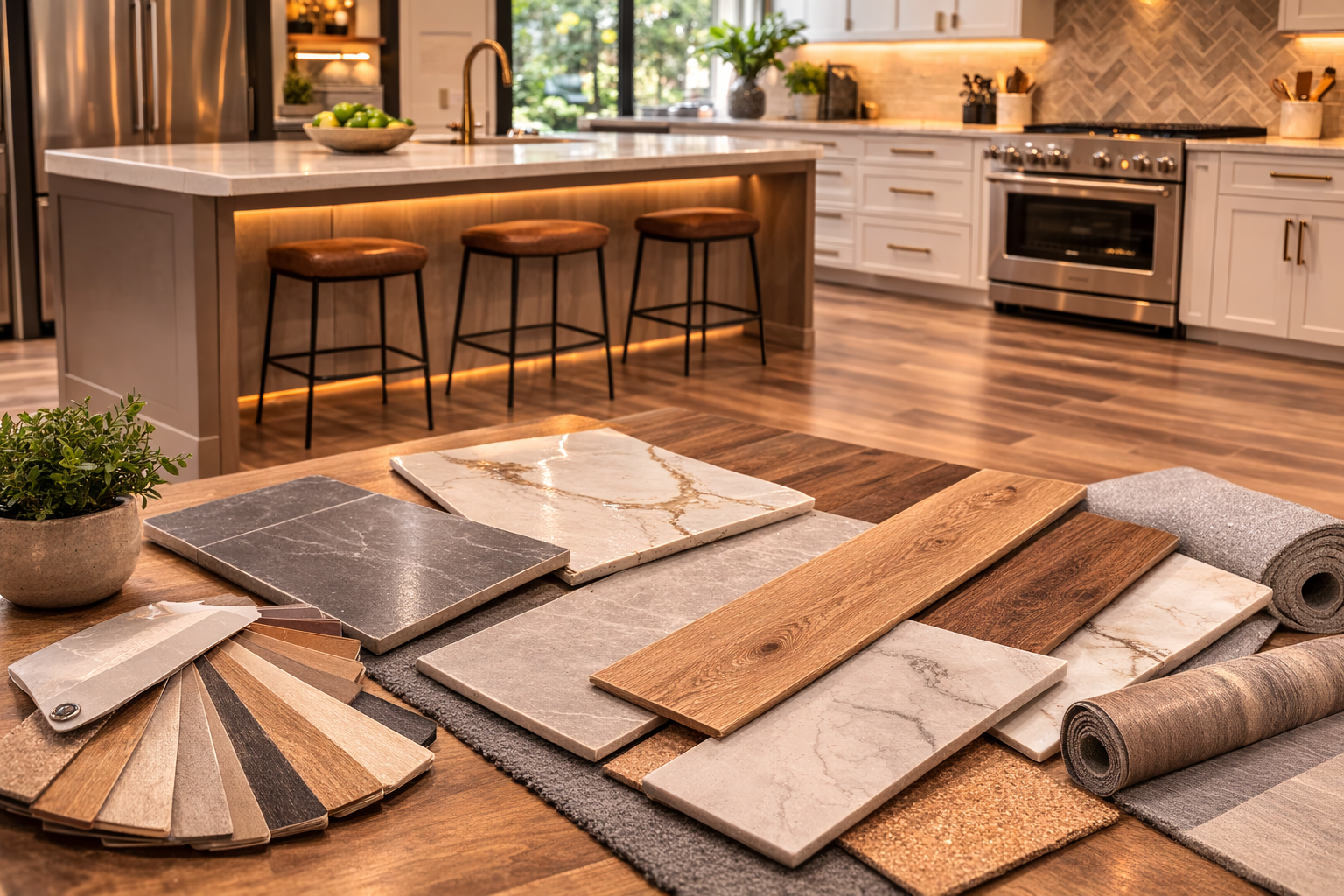
Common kitchen flooring types include porcelain tile, ceramic tile, luxury vinyl plank, luxury vinyl tile, engineered wood, hardwood in some kitchens, and other durable kitchen-rated materials. The right type depends on water exposure, maintenance expectations, budget, and how the floor should relate to nearby rooms.
What Kitchen Flooring Styles Are Most Common in Remodeling Projects
Porcelain tile and luxury vinyl plank are common because they balance durability with broad design flexibility. Wood-look surfaces are also popular when the homeowner wants the kitchen to connect visually with adjacent living spaces. In some projects, larger tile or more seamless plank visuals are used to help the kitchen feel calmer and less chopped up. For layout and clearance planning, many designers reference NKBA planning guidelines.
When Does One Flooring Type Make More Sense Than Another
Tile often makes more sense when durability and water resistance are the top priorities. Vinyl products may make more sense when the remodel wants easier installation, a softer feel underfoot, or stronger continuity with the rest of the house. The best choice depends on how the kitchen is used and maintained every day.
How Do Layout and Kitchen Size Affect Kitchen Flooring
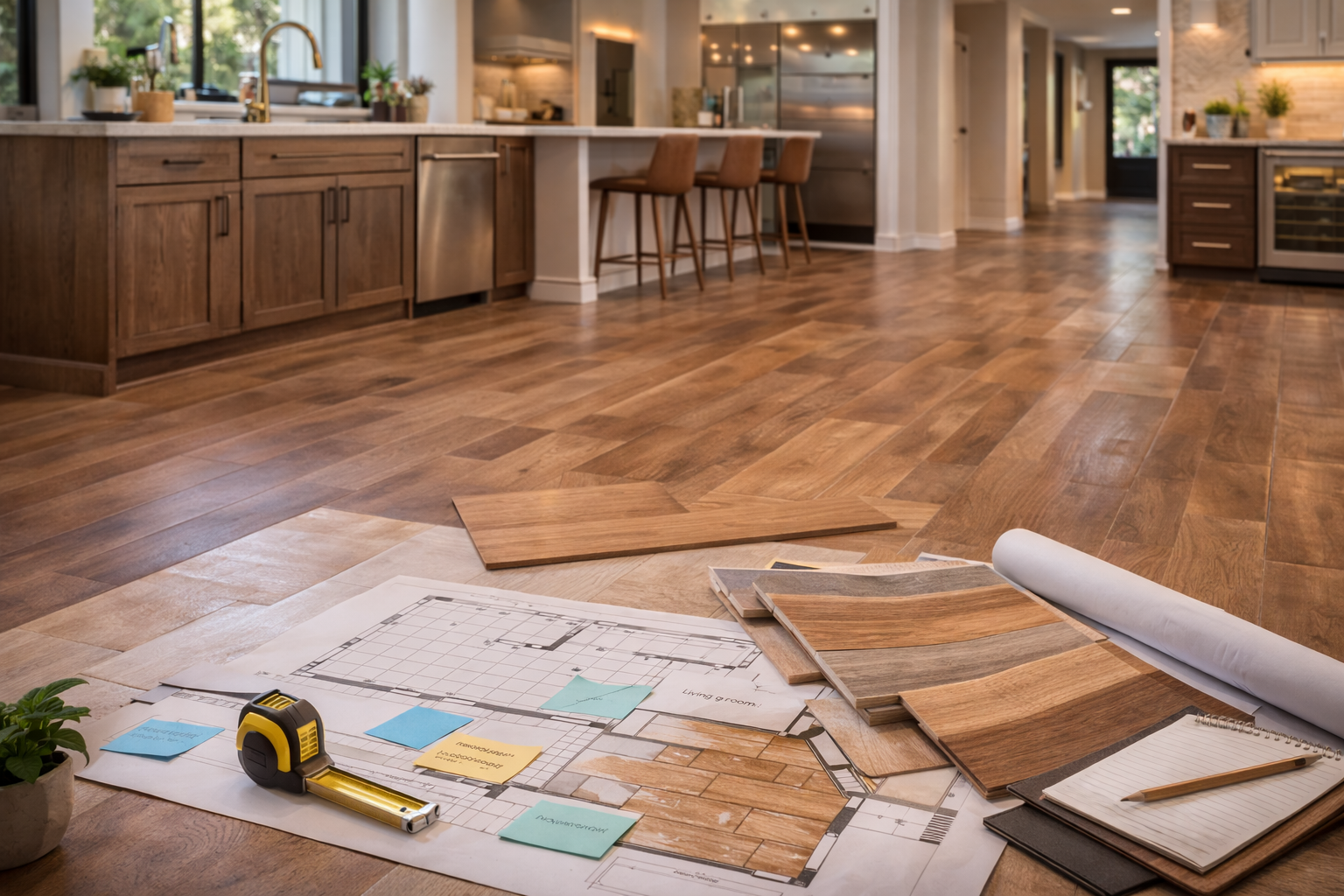
Layout and kitchen size affect how the flooring should be oriented, where seams or transitions land, and how busy or calm the kitchen feels once the new surface goes in. A flooring material that works well in a small galley kitchen may behave differently in a large open kitchen with an island and multiple doorways.
Why Does Flooring Direction and Layout Matter So Much
Flooring direction affects how the eye reads the room, how the floor connects to nearby spaces, and where cuts land at cabinets, appliances, and islands near the backsplash areas. In practical remodel work, a better layout can make the kitchen look larger and more intentional without changing the room size at all.
How Does Kitchen Size Change the Best Flooring Strategy
In a smaller kitchen, the best strategy may be a simpler pattern or a plank direction that helps the room feel longer or more open. In a larger kitchen, the remodel may support bigger tile, more continuous plank runs, or a stronger visual connection to adjacent rooms. The best strategy depends on how the kitchen fits into the whole home.

What Materials and Components Are Used in Kitchen Flooring
Kitchen flooring uses more than the visible finish material. The remodel may involve subfloor prep, underlayment, leveling compounds, tile or plank material, grout where needed, trim, and transition pieces at openings or where flooring meets cabinets and appliances. The visible surface only performs well if the layers below it are prepared correctly.
What Flooring Materials Are Common in Kitchen Projects
Common materials include porcelain tile, ceramic tile, luxury vinyl plank, luxury vinyl tile, engineered wood, and selected hardwood products when the overall home design supports them. Each material carries different tradeoffs in water resistance, maintenance, feel underfoot, and visual continuity. For water-use considerations, homeowners can review WaterSense guidance.
What Support and Finish Components Usually Matter Most
Underlayment, grout, trim pieces, transition strips, moisture control details, and floor-level correction all matter because they support the visible floor and shape how cleanly it meets the rest of the kitchen. These details often matter just as much as the surface material itself.
What Upgrades Can Be Added During a Kitchen Flooring Remodel
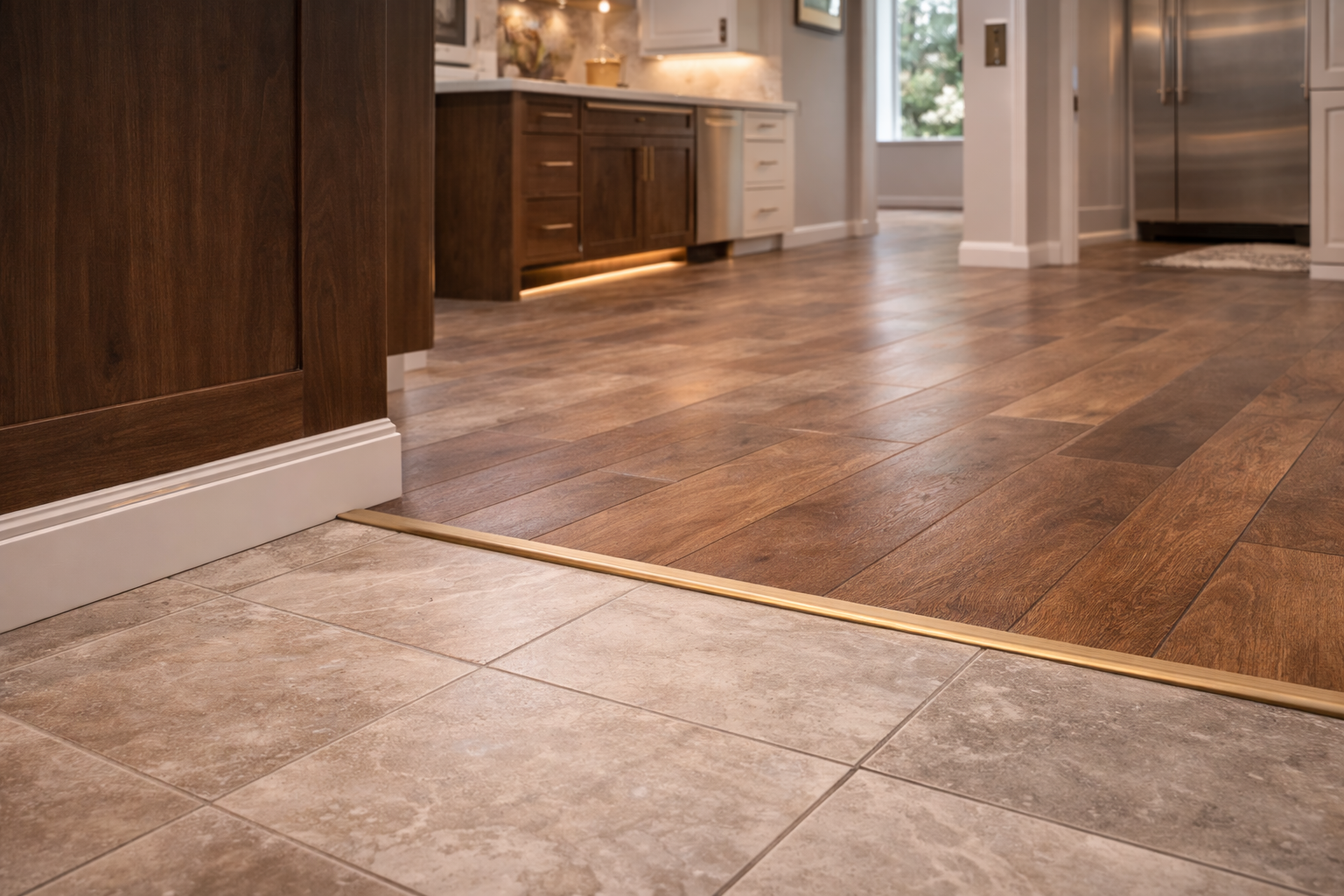
Flooring work is often the best time to add upgrades that improve how the kitchen feels and functions under daily use. Common upgrades include better transition details, larger-format flooring, stronger underlayment, more coordinated floor flow into nearby rooms, and in some remodels improved comfort or noise reduction under the finished surface.
What Functional Upgrades Are Most Useful With Kitchen Flooring
Functional upgrades often include better water resistance near appliances and sinks, stronger subfloor prep, smoother transitions, and flooring layouts that reduce maintenance trouble spots. These upgrades matter because the kitchen floor has to deal with repeated traffic and repeated cleanup.
What Design Upgrades Usually Happen at the Same Time
Kitchen flooring projects often include updated base trim, cleaner transition planning, better integration with cabinet colors, lighting, and more consistent finish direction through connected spaces. Once the flooring changes, the surrounding surfaces usually need to align with it visually.
What Installation Details Matter in Kitchen Flooring
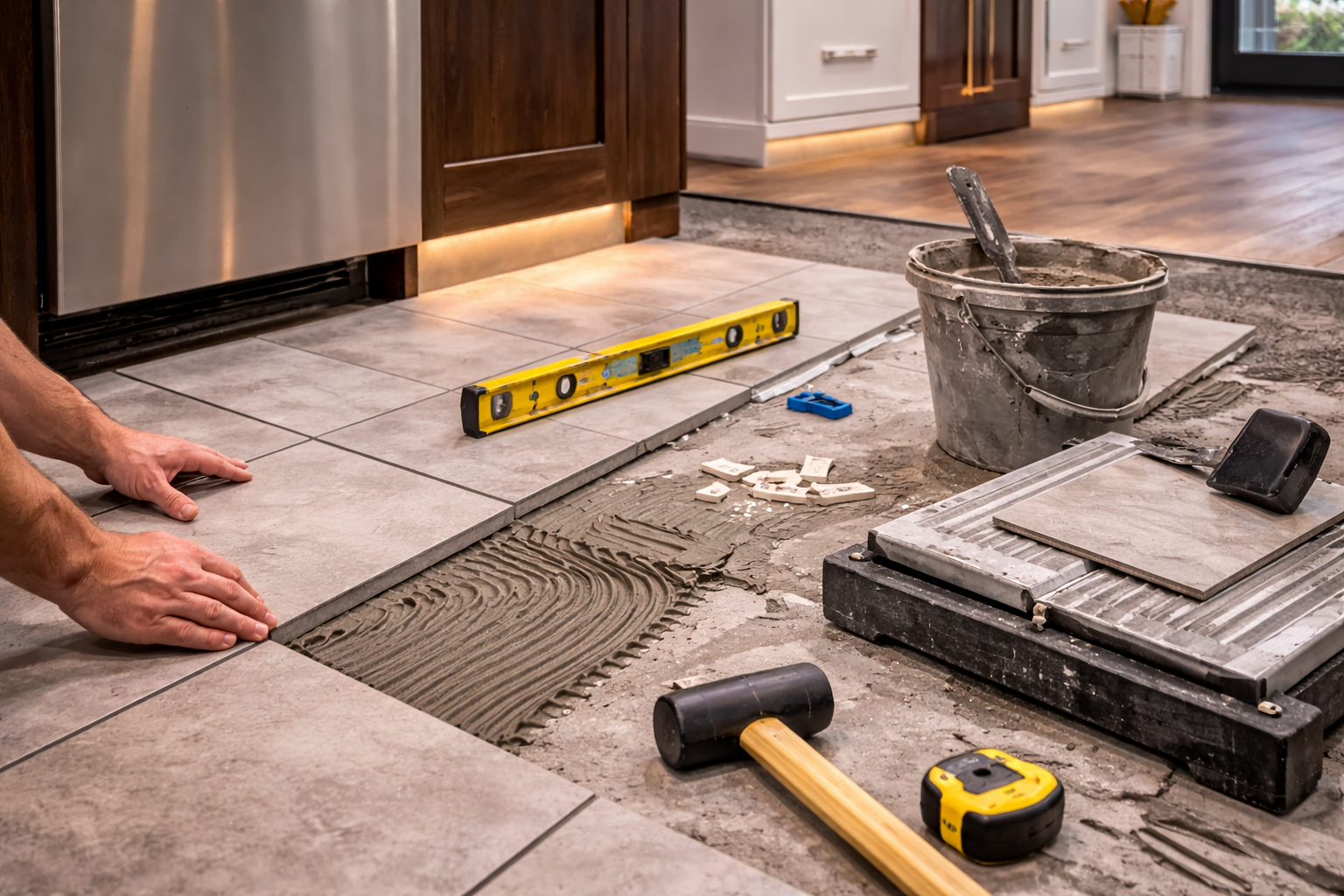
Kitchen flooring installation depends on subfloor condition, flatness, expansion planning where needed, transition details, and how the flooring fits around cabinets, island bases, appliances, and doorways. Even a strong flooring material can perform badly if the floor below it is not prepared properly. Homeowners weighing long-term operating costs often review Energy Saver guidance.
Why Do Subfloor Prep and Flatness Matter So Much
A kitchen floor takes repeated weight, movement, and impact. If the subfloor is uneven, soft, or not suited to the new flooring type, the finished floor may flex, crack, separate, or wear poorly. In practical remodel work, the hidden prep is often what makes the biggest long-term difference.
What Fit and Finish Problems Show Up During Installation
Common issues include awkward cuts near islands, poor transitions to other rooms, height problems at dishwashers or refrigerators, and visible seams or pattern breaks that make the kitchen feel patched together. These practical details affect whether the floor feels clean and durable once the remodel is done.
What Affects Kitchen Flooring Cost
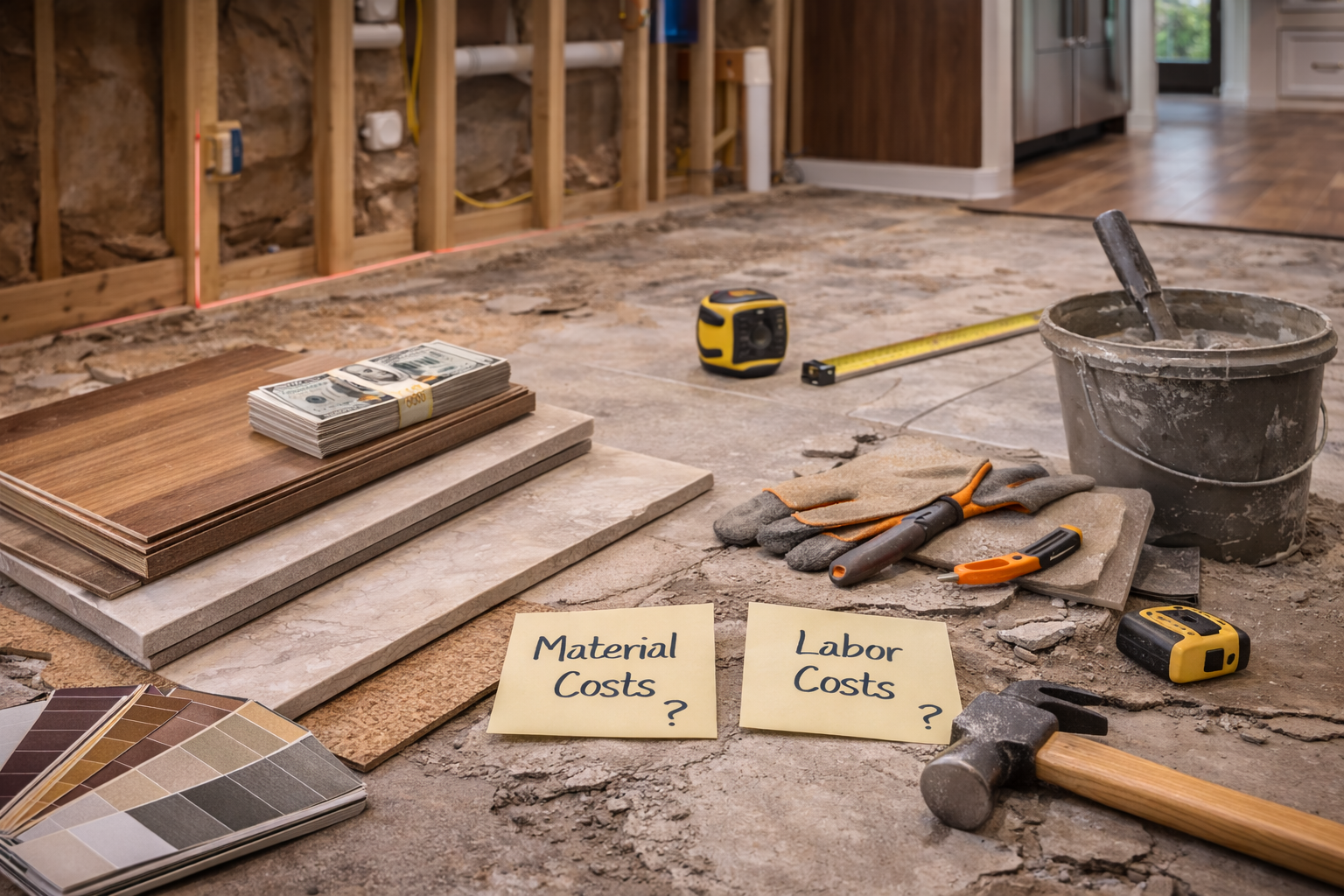
Kitchen flooring cost usually depends on the material selected, the amount of prep work required, the size of the kitchen, the layout complexity, and whether nearby rooms are being tied into the same flooring system. A simple floor update costs far less than a larger flooring project with extensive prep and custom transition work.
Which Flooring Choices Usually Raise the Cost
Costs usually rise with premium tile, more complex layouts, larger-format materials that need more precise installation, stronger underlayment, and projects that extend the flooring through more of the home. The more exact the install and the more demanding the material, the more the cost usually climbs.
How Do Labor and Existing Conditions Change the Budget
Labor costs go up when the old floor is harder to remove, the subfloor needs repair, the kitchen is out of level, or the layout has many cuts around islands, cabinets, and doorways. Existing conditions matter because the new floor has to fit the actual kitchen, not just the floor plan drawing.

What Mistakes Should Homeowners Avoid With Kitchen Flooring
The biggest kitchen flooring mistakes usually happen when the material is chosen for appearance alone without enough attention to durability, maintenance, and how the floor fits the rest of the kitchen. A kitchen floor has to handle daily wear and cleanup, so it needs to work practically as well as visually.
Why Is It a Problem to Choose Flooring Without Thinking About Daily Use
A kitchen floor sees spills, chair movement, dropped utensils, and repeated traffic. If the flooring is too delicate, too hard to clean, or badly suited to the households habits, it may create frustration even if it looked good on the sample board.
Why Is It Risky to Ignore Transitions and Subfloor Conditions
The finished floor only performs as well as the structure and detail below it. If the subfloor, height transitions, or expansion needs are ignored, the kitchen may end up with cracked tile, uneven plank behavior, or awkward height changes that feel unfinished.
How Should You Plan Kitchen Flooring
Kitchen flooring should be planned by deciding how much durability and water resistance the kitchen needs, how the floor should connect to nearby rooms, and which layout supports the kitchens size and style best. The best plan balances function, maintenance, finish direction, and installation reality instead of choosing the floor by color alone.
What Should Be Decided Before Kitchen Flooring Work Starts
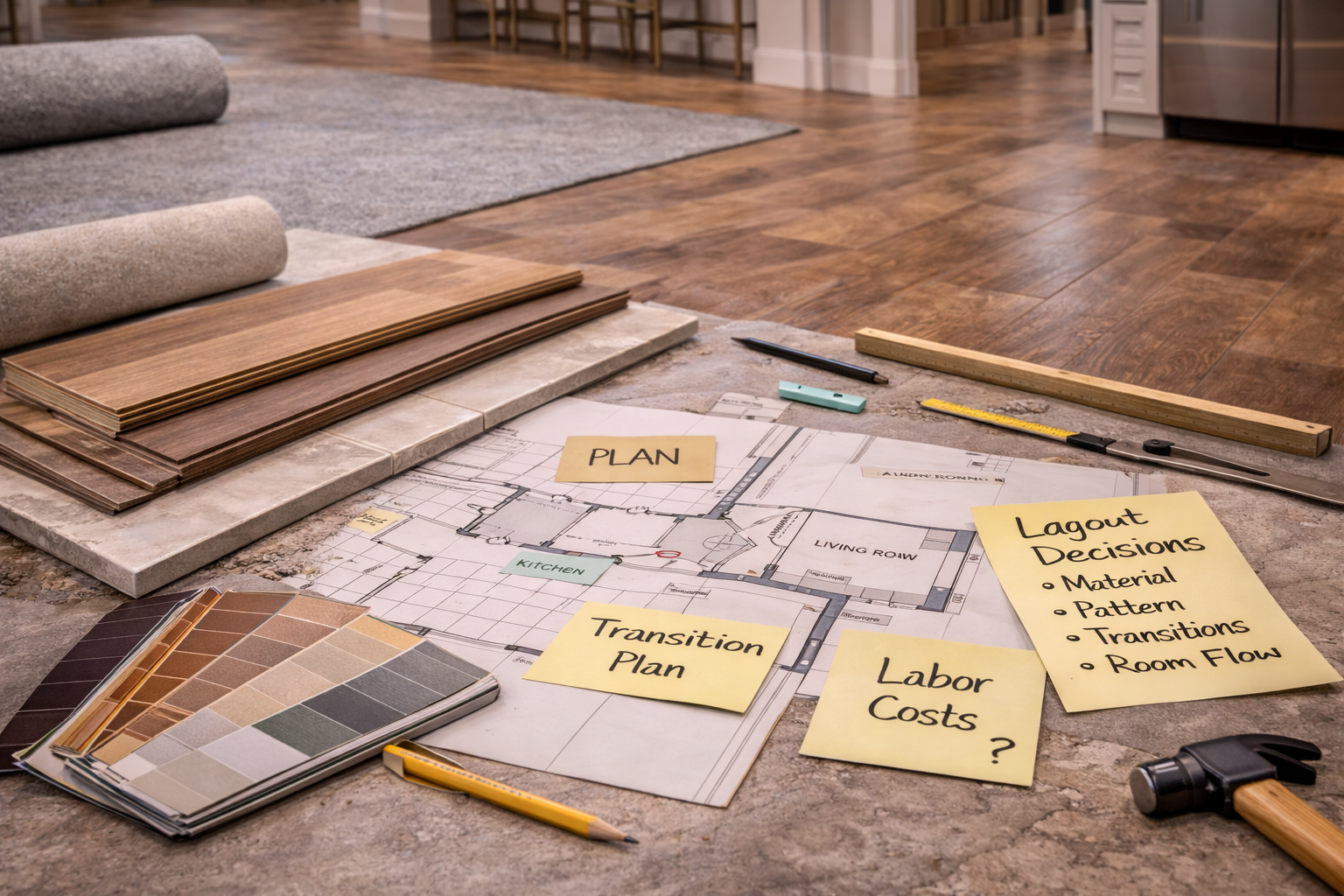
Before construction starts, it helps to confirm flooring material, pattern or plank direction, transition plan, subfloor needs, trim approach, and whether the flooring is staying in the kitchen only or continuing into surrounding rooms. These decisions affect both the look and the installation sequence.
How Can a Homeowner Prepare for the Installation Process
Homeowners should be ready for old floor removal, appliance movement, subfloor inspection, moisture or leveling corrections where needed, and final transition work after the new floor is in place. Kitchen flooring projects usually go best when the room and adjacent spaces are measured and planned together.
Related Kitchen Flooring Topics
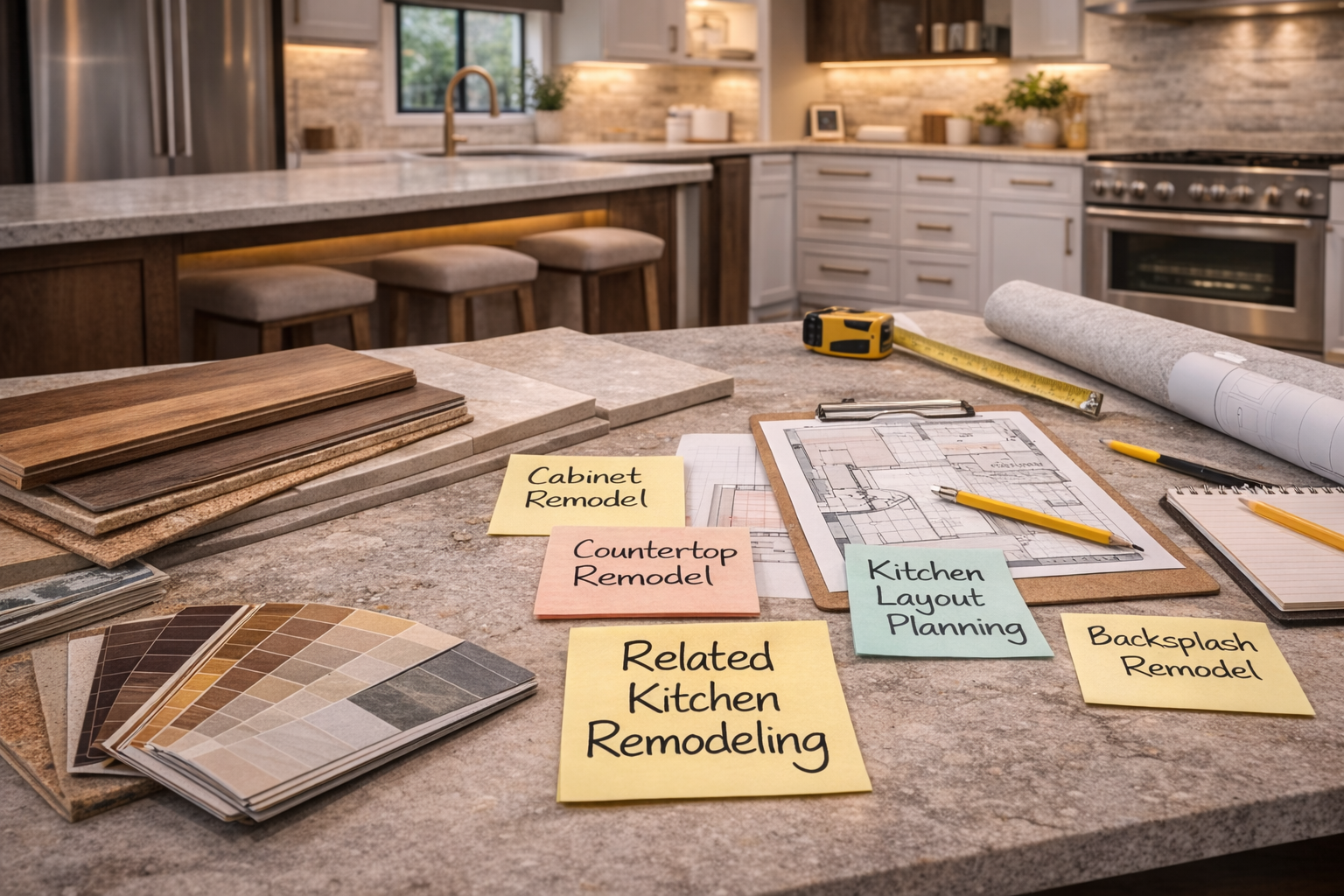
Kitchen flooring projects overlap with cabinet remodeling, countertop work, appliance planning, and full kitchen remodeling because the floor supports how the whole room looks and functions. Related topics help homeowners compare whether they need a flooring-only update or a more complete kitchen rework.
Which Kitchen Flooring-Related Pages Should Connect to This Topic
Strong related pages include cabinet remodels, countertop remodels, kitchen appliances, kitchen layout changes, and backsplash remodeling. Those pages help break down the storage, surface, and workflow decisions that shape a strong flooring plan.
Which Kitchen Remodeling Topics Often Connect to Flooring Work
Flooring work often connects to cabinets, counters, appliances, islands, and full kitchen remodeling. In practical remodels, these pieces overlap because the floor ties the entire kitchen together visually and functionally.
Frequently Asked Questions About Kitchen Flooring
The best kitchen flooring depends on durability needs, water resistance, maintenance expectations, and how the kitchen connects to the rest of the home.
Tile usually offers strong durability and water resistance, while vinyl can offer easier installation and a softer feel underfoot. The better choice depends on the remodel goals.
Sometimes, yes. It depends on the flooring type, the cabinet layout, and how the edges and height changes need to be handled.
It should at least handle spills and daily kitchen moisture well. The exact level of water resistance needed depends on the household and the flooring type.
The timeline depends on the material, the amount of prep work required, the kitchen size, and whether the project connects into other rooms.
Yes. Many kitchen flooring projects include leveling or subfloor correction so the finished floor performs better.
It can improve appeal and function when the flooring fits the quality and style of the rest of the kitchen remodel.
Ease of cleaning depends on the material, the surface texture, and how many grout joints or seams the floor has.
Yes. Kitchen flooring affects how large, bright, and cohesive the room feels because it ties together the cabinets, counters, and appliances.
The first step is deciding how the kitchen needs to perform, then choosing a flooring material and layout that match those daily-use demands.