

Cabinet Remodel Guide: Layout, Materials, Costs, and Planning
Cabinet Guide Index
- Cabinet Remodel Overview
- When Should Kitchen Cabinets Be Remodeled
- What Types of Cabinet Remodels Are Common
- How Do Layout and Kitchen Size Affect a Cabinet Remodel
- What Materials and Components Are Used in a Cabinet Remodel
- What Upgrades Can Be Added During a Cabinet Remodel
- What Installation Details Matter in a Cabinet Remodel
- What Affects Cabinet Remodel Cost
- What Mistakes Should Homeowners Avoid With a Cabinet Remodel
- How Should You Plan a Cabinet Remodel
- Related Cabinet Remodel Topics
Cabinet Remodel Overview
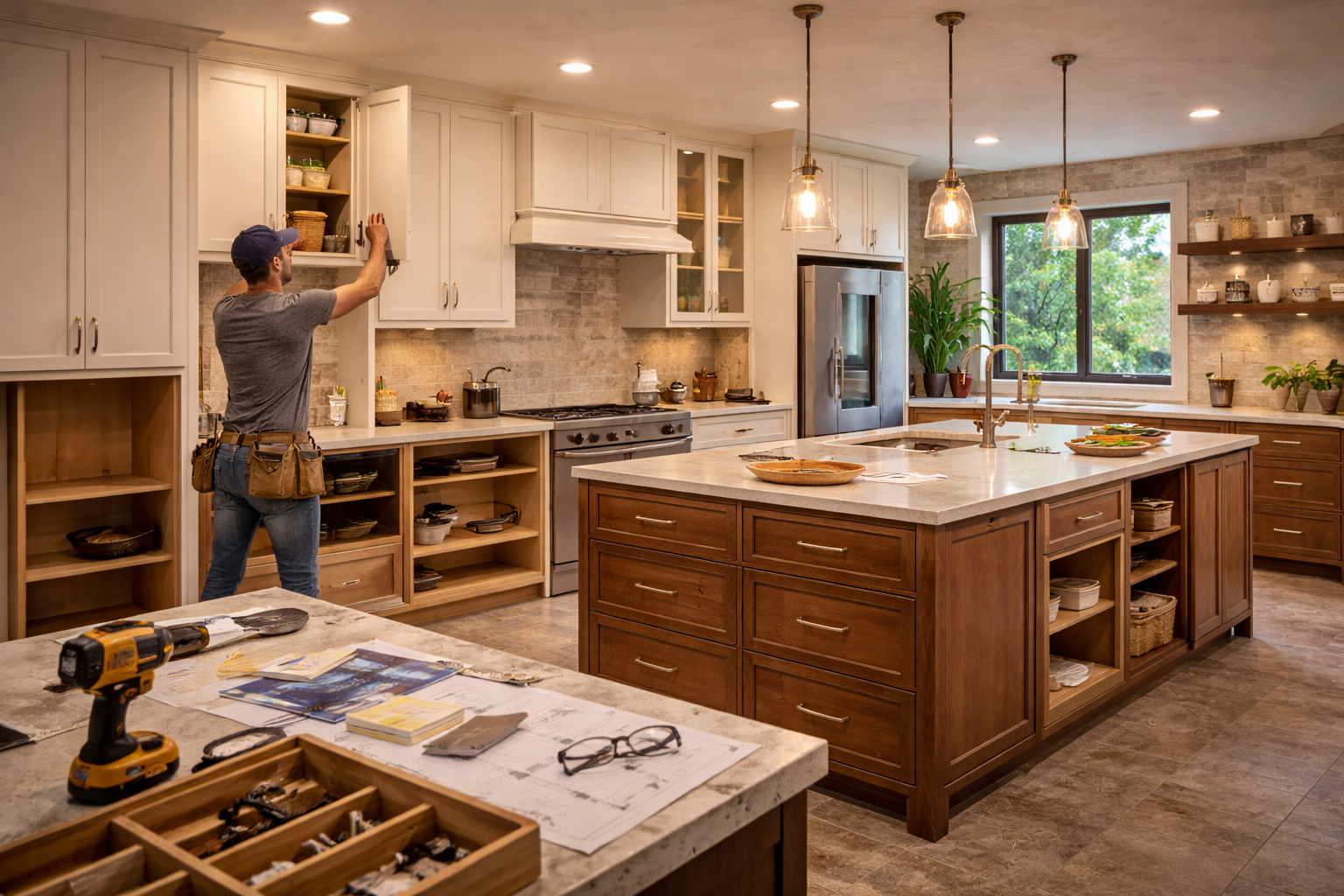
A cabinet remodel changes one of the biggest functional and visual systems in the kitchen. In practical terms, that can include replacing cabinet boxes, changing door styles, improving drawer storage, adjusting cabinet layout, updating hardware, and rebuilding the kitchen so the storage works better with the way the room is actually used. Cabinet remodeling affects not only appearance but also workflow, storage access, and how much usable counter space the kitchen really has.
What Gets Updated During a Cabinet Remodel
The work may include base cabinets, wall cabinets, tall pantry cabinets, drawer banks, hardware, trim, fillers, toe-kicks, and sometimes the countertop and backsplash if the cabinet layout changes. In some kitchens, cabinet remodeling also means moving appliances, changing island layout, or adjusting the lighting plan around the new cabinet design.
What Is the Difference Between Refacing Cabinets and a Full Cabinet Remodel
Cabinet refacing updates doors, drawer fronts, and visible finishes while keeping more of the existing cabinet boxes. A full cabinet remodel goes deeper and may involve replacing the boxes, changing the layout, improving storage features, and rebuilding the cabinet system around how the kitchen should function with custom cabinets where needed. The deeper approach usually creates a bigger improvement in everyday use.
When Should Kitchen Cabinets Be Remodeled
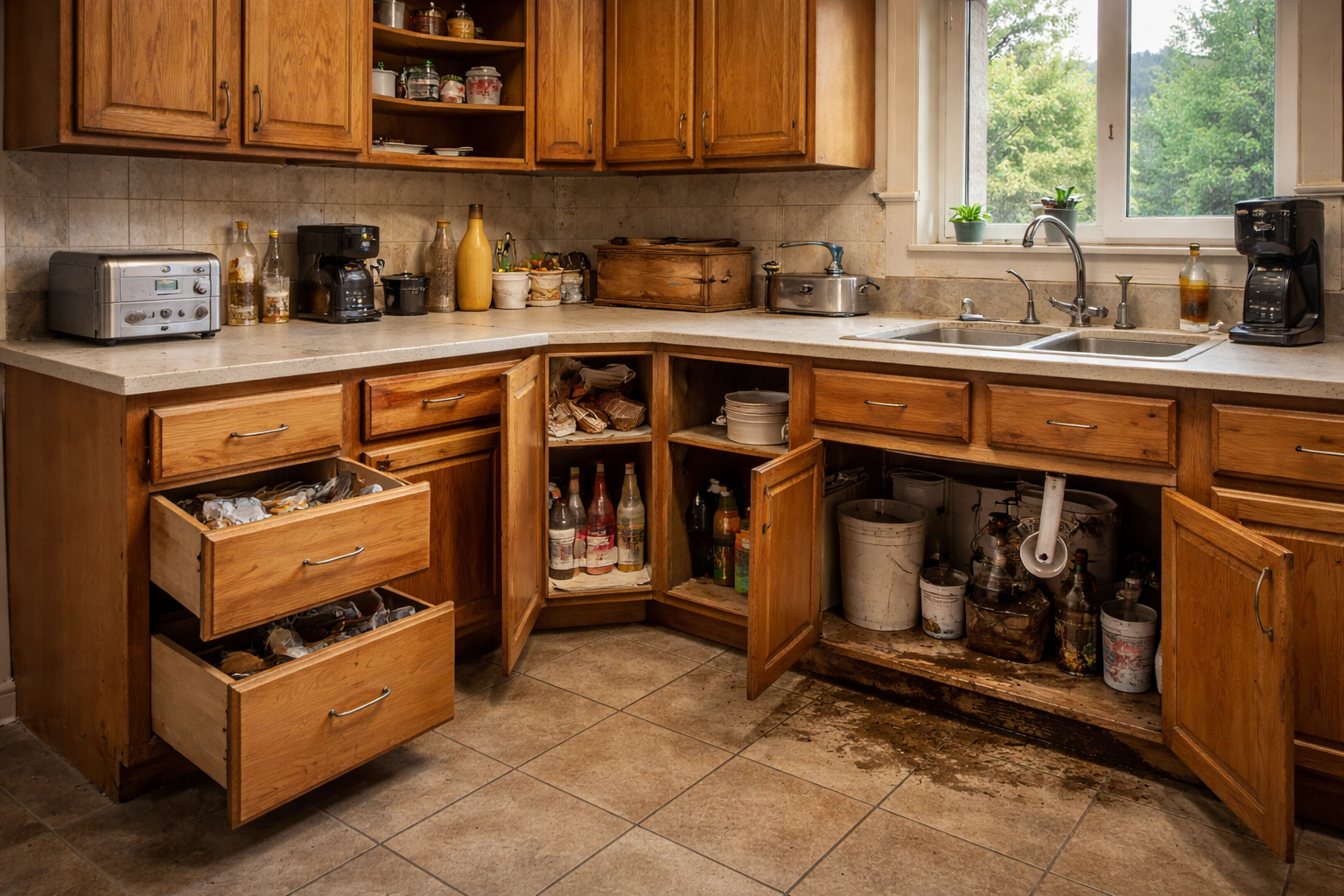
Kitchen cabinets should usually be remodeled when the storage no longer works, the cabinet boxes or doors are worn out, or the layout is limiting how the kitchen functions. Common warning signs include sagging shelves, damaged cabinet bottoms, poor drawer access, outdated door styles, and cabinet layouts that waste valuable wall and corner space. For technical installation guidance, many pros refer to TCNA tile standards.
What Signs Show That Kitchen Cabinets Are Ready for Remodeling
Clear signs include drawers that no longer slide well, doors that do not align or close properly, cabinet boxes with water damage, worn finishes, weak shelves, and storage areas that are too deep, too narrow, or too awkward to use well. In many kitchens, the cabinets may still technically work but no longer fit the way the household cooks and stores items.
What Remodeling Goals Usually Lead to Cabinet Upgrades
Cabinet upgrades are common when homeowners want more organized storage, better drawer access, taller cabinets, a better pantry setup, or a cleaner style that fits the rest of a kitchen remodel. They also come up when the old cabinet layout blocks better appliance placement or better work zones in the kitchen.
What Types of Cabinet Remodels Are Common
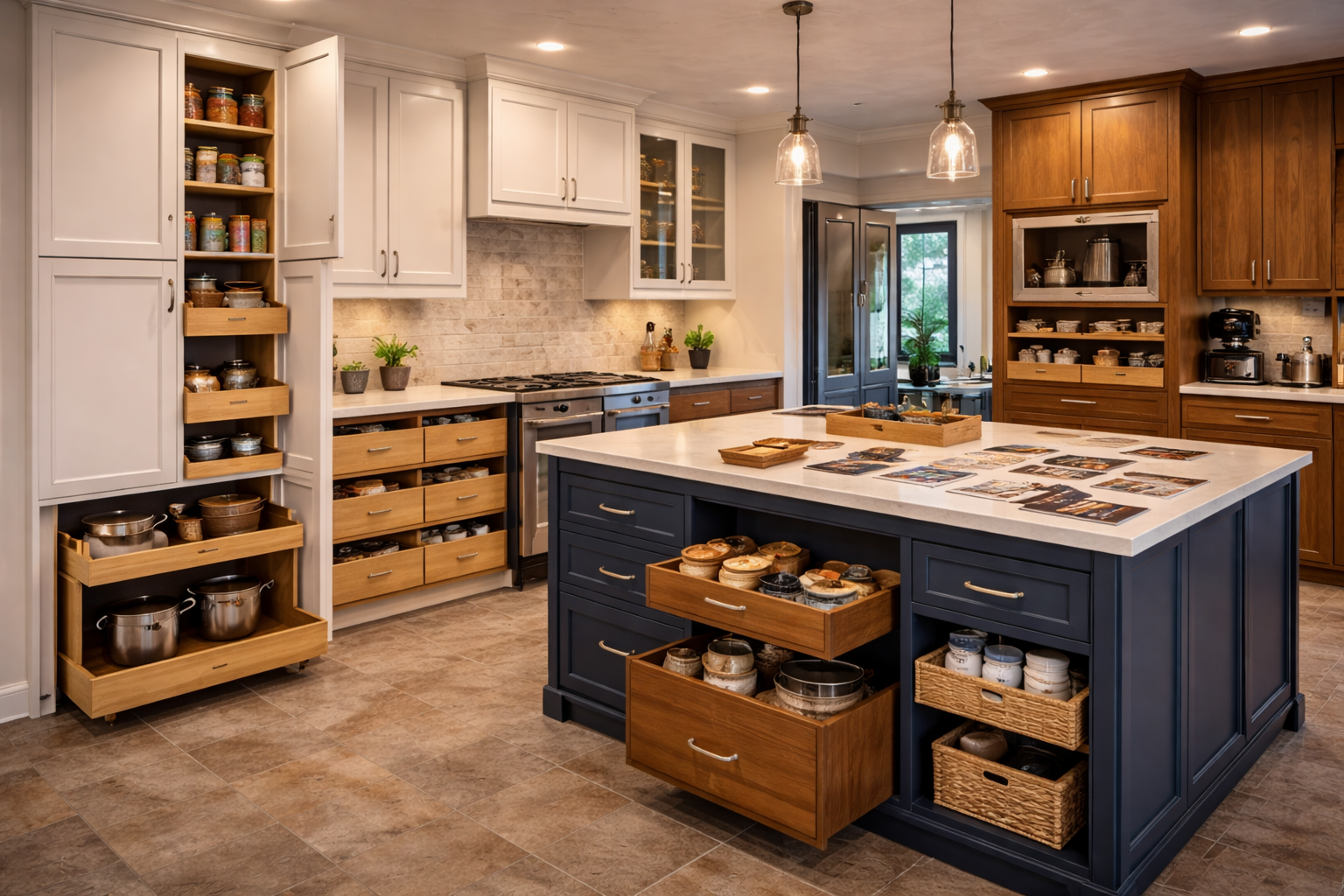
Common cabinet remodels include full cabinet replacement, cabinet refacing, custom cabinet rebuilds, semi-custom cabinet upgrades, island cabinet changes, and pantry storage remodels. The right type depends on how much the layout needs to change, how worn the existing cabinets are, and how much storage improvement the kitchen needs. In many projects, shaker cabinets becomes an important part of how the bathroom functions day to day.
What Cabinet Remodel Styles Are Most Common in Kitchen Projects
Full replacement cabinet remodels are common when the kitchen layout needs major improvement or the old boxes are not worth keeping. Refacing is more common when the cabinet structure is still sound and the main goal is to update appearance. Custom or semi-custom remodels are common when the layout needs more precise storage planning than stock cabinets can provide.
When Does One Cabinet Remodel Type Make More Sense Than Another
Refacing may make more sense when the existing cabinet structure is still solid and the kitchen layout already works well. Full replacement may make more sense when the old cabinets are worn out, the layout needs to change, or the homeowner wants much better storage performance instead of only a surface update.
How Do Layout and Kitchen Size Affect a Cabinet Remodel
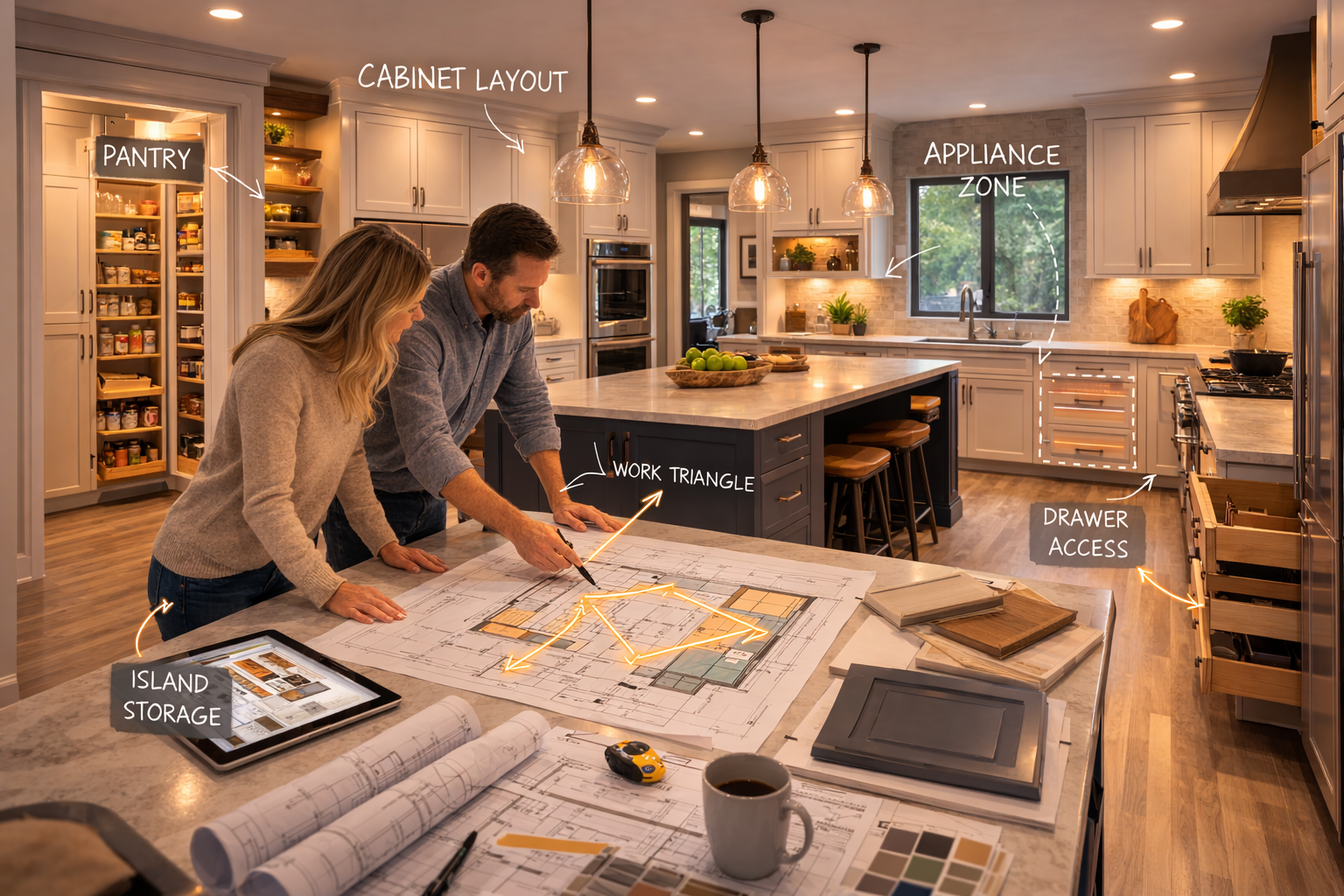
Layout and kitchen size affect how much storage the cabinets can provide and how efficiently the kitchen works once the remodel is done. A cabinet plan should support the cooking workflow, appliance spacing, pantry storage, and usable counter space rather than just filling the walls with boxes. During remodeling, it also helps to follow EPA indoor air quality best practices.
Why Does Cabinet Layout Matter So Much in a Kitchen
Cabinet layout affects where cookware, dishes, pantry items, trash storage, and small appliances live. It also shapes how easy it is to move between prep, cooking, and cleanup zones. In practical remodel work, better cabinet layout often improves the kitchen more than changing finishes alone.
How Does Kitchen Size Change the Best Cabinet Strategy
In a smaller kitchen, the best cabinet strategy may focus on taller cabinets, better drawer storage, and more efficient corner or pantry use. In a larger kitchen, the remodel may support an island with more storage, separate pantry zones, or more specialized cabinet functions. The best strategy depends on how the household actually uses the kitchen.
What Materials and Components Are Used in a Cabinet Remodel
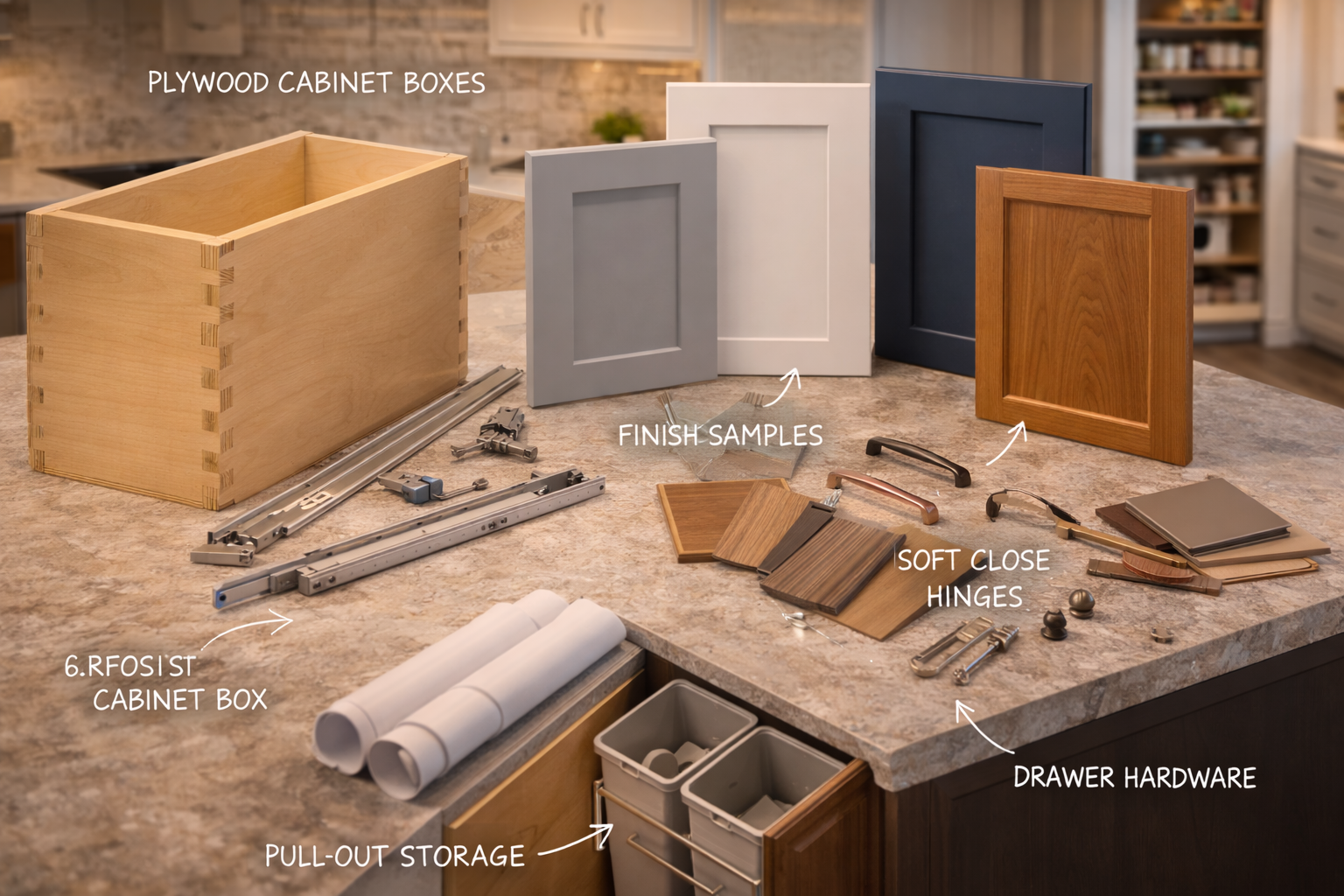
A cabinet remodel uses cabinet boxes, drawer hardware, hinges, shelves, doors, drawer fronts, fillers, trim, and finish materials that all work together to create a storage system that holds up under daily kitchen use. The visible cabinet style matters, but so do the hidden materials and hardware that control how long the cabinets will last and how well they work. For a closer look at this part of the project, homeowners can explore custom cabinets.
What Cabinet Box and Door Materials Are Common
Common materials include plywood cabinet boxes, engineered wood products, solid wood face frames, painted or stained doors, laminate or thermofoil finishes, and a range of door styles such as shaker, slab, and raised panel. The best material mix depends on budget, finish preference, and the level of durability expected from the kitchen.
What Hardware and Storage Components Usually Matter Most
Soft-close hinges, full-extension drawer slides, pull-out trays, trash pullouts, spice storage, lazy Susan systems, and pantry organizers are some of the components that most directly improve how the cabinets work. These features often matter more in daily use than the door style alone.

What Upgrades Can Be Added During a Cabinet Remodel
Cabinet work is often the best time to add upgrades that improve storage and kitchen function together. Common upgrades include deeper drawers for pots and pans, pull-out trash storage, pantry organization systems, tray dividers, appliance garages, under-cabinet lighting, and cabinet extensions that take storage closer to the ceiling. Homeowners weighing long-term operating costs often review Energy Saver guidance.
What Functional Upgrades Are Most Useful in Cabinet Remodeling
Functional upgrades often include drawer-based storage, pull-out shelves, dedicated pantry sections, more useful corner cabinet systems, and better trash or recycling organization. These upgrades matter because cabinets should make the kitchen easier to use, not just more attractive to look at.
What Design Upgrades Usually Happen at the Same Time
Cabinet remodels often include new hardware, updated molding or trim, improved lighting, cleaner filler details, and stronger coordination with countertops and backsplash finishes above updated flooring. Once the cabinet system changes, the surrounding surfaces usually need to rise with it.
What Installation Details Matter in a Cabinet Remodel
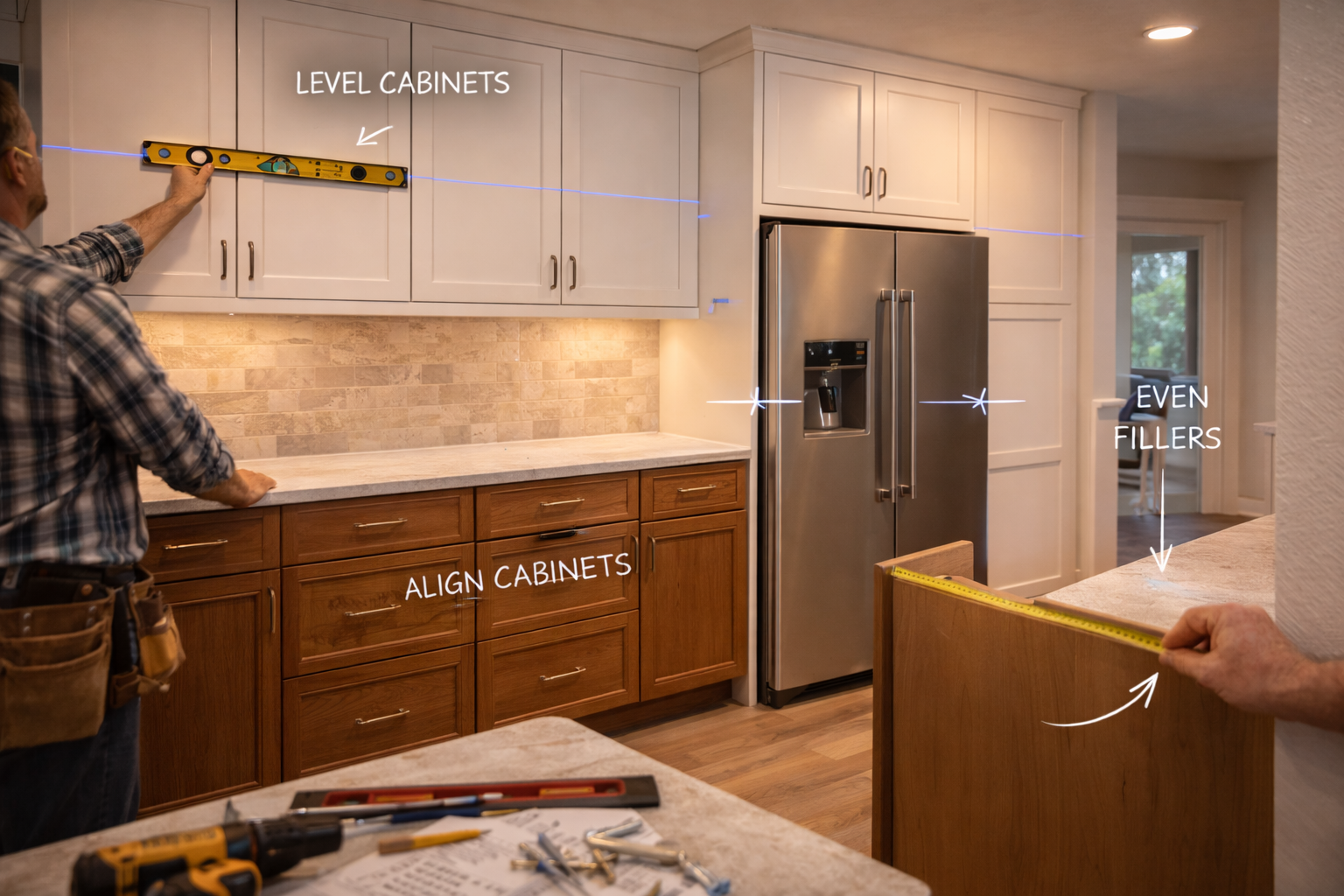
Cabinet installation depends on wall flatness, floor level, appliance spacing, cabinet alignment, and how the trim, fillers, and panels finish at the edges of the kitchen. Even high-quality cabinets can look off if the runs are not level, the reveals are uneven, or the fillers are handled poorly. This decision often connects directly to flat panel cabinets, especially when the goal is a more complete remodel.
Why Do Leveling and Alignment Matter So Much
Base cabinets need to be level so countertops install correctly, doors align well, and drawer slides work smoothly. Wall cabinets need to be set at the right height and align with the rest of the kitchen. These are the details that make the whole cabinet system feel clean and intentional.
What Fit and Finish Problems Show Up During Installation
Common issues include uneven fillers, poor appliance gaps, doors that do not line up, trim that feels patched in, and cabinets that leave awkward dead space where better planning could have used it. These are practical details that affect both appearance and long-term function.
What Affects Cabinet Remodel Cost
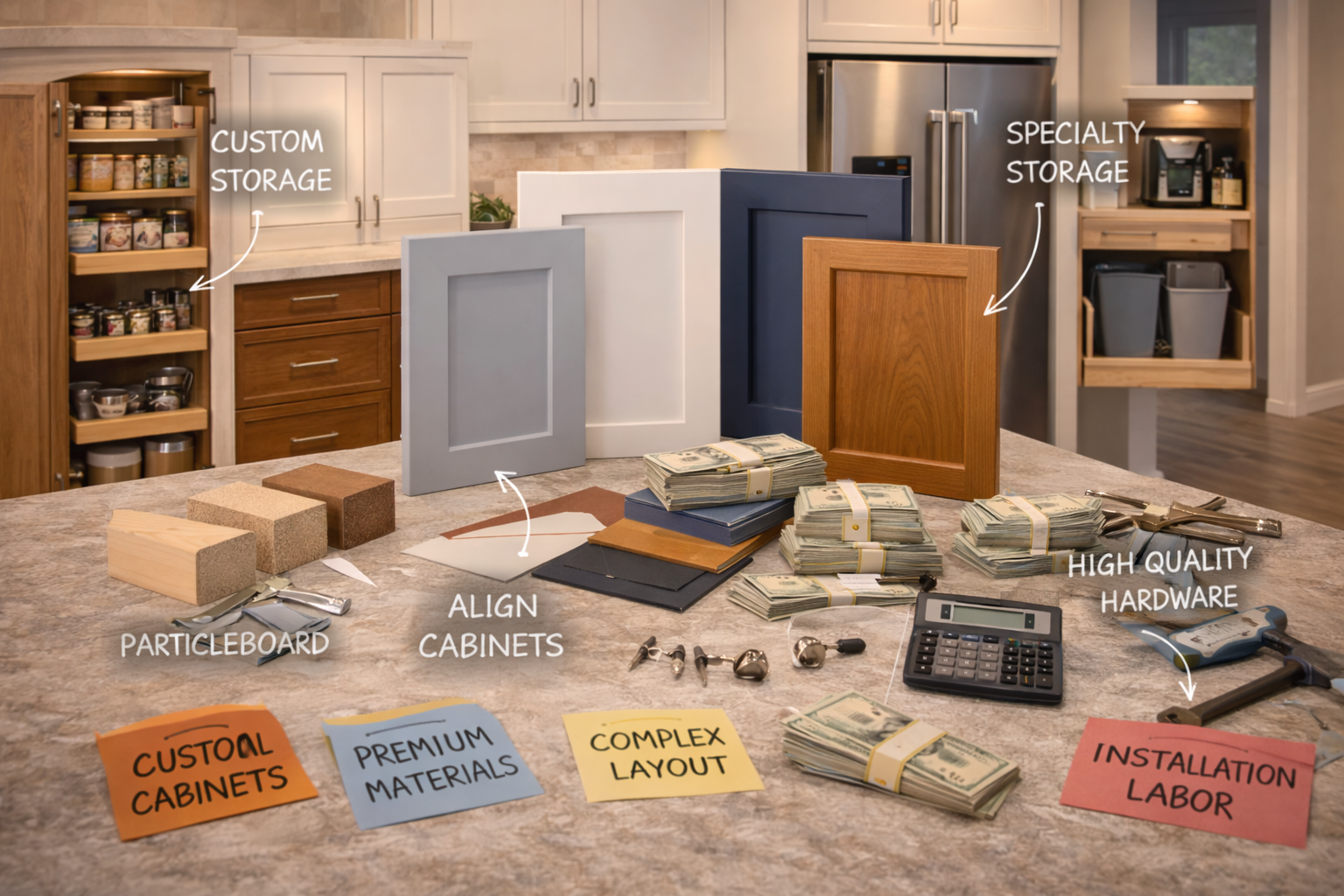
Cabinet remodel cost usually depends on cabinet type, box material, door style, storage features, hardware quality, layout complexity, and whether the remodel is changing the kitchen layout or keeping it close to the same. A simple cabinet update is very different from a full layout-driven custom cabinet rebuild.
Which Cabinet Choices Usually Raise the Cost
Costs usually rise with custom cabinets, premium wood or painted finishes, specialty storage accessories, larger pantry systems, island cabinetry, and more detailed trim packages. The more tailored the cabinet system becomes, the more fabrication and installation labor it usually requires.
How Do Labor and Existing Conditions Change the Budget
Labor costs go up when walls or floors are out of level, appliance layout changes, cabinet runs need more customization, or old kitchen conditions force more prep and correction before the new cabinets can be installed. Existing conditions matter because cabinets have to fit the real kitchen, not just the design drawing.

What Mistakes Should Homeowners Avoid With a Cabinet Remodel
The biggest cabinet remodeling mistakes usually happen when the cabinet style gets more attention than the cabinet layout and storage plan. Cabinets should improve how the kitchen works every day, not just change the color and door profile of a layout that already has problems. Another detail worth comparing during planning is kitchen remodeling.
Why Is It a Problem to Focus on Door Style Before Storage Function
A beautiful door style does not fix bad pantry access, wasted corners, weak drawers, or a kitchen where cookware and dishes still have nowhere sensible to go. Real cabinet planning starts with how the kitchen needs to work, then moves toward the finish choices.
Why Is It Risky to Ignore Appliance and Workflow Planning
Cabinets are tied to appliance spacing, prep areas, cooking zones, and cleanup flow. If the cabinet layout is changed without checking those relationships, the new kitchen may still feel inefficient even after a costly remodel.
How Should You Plan a Cabinet Remodel
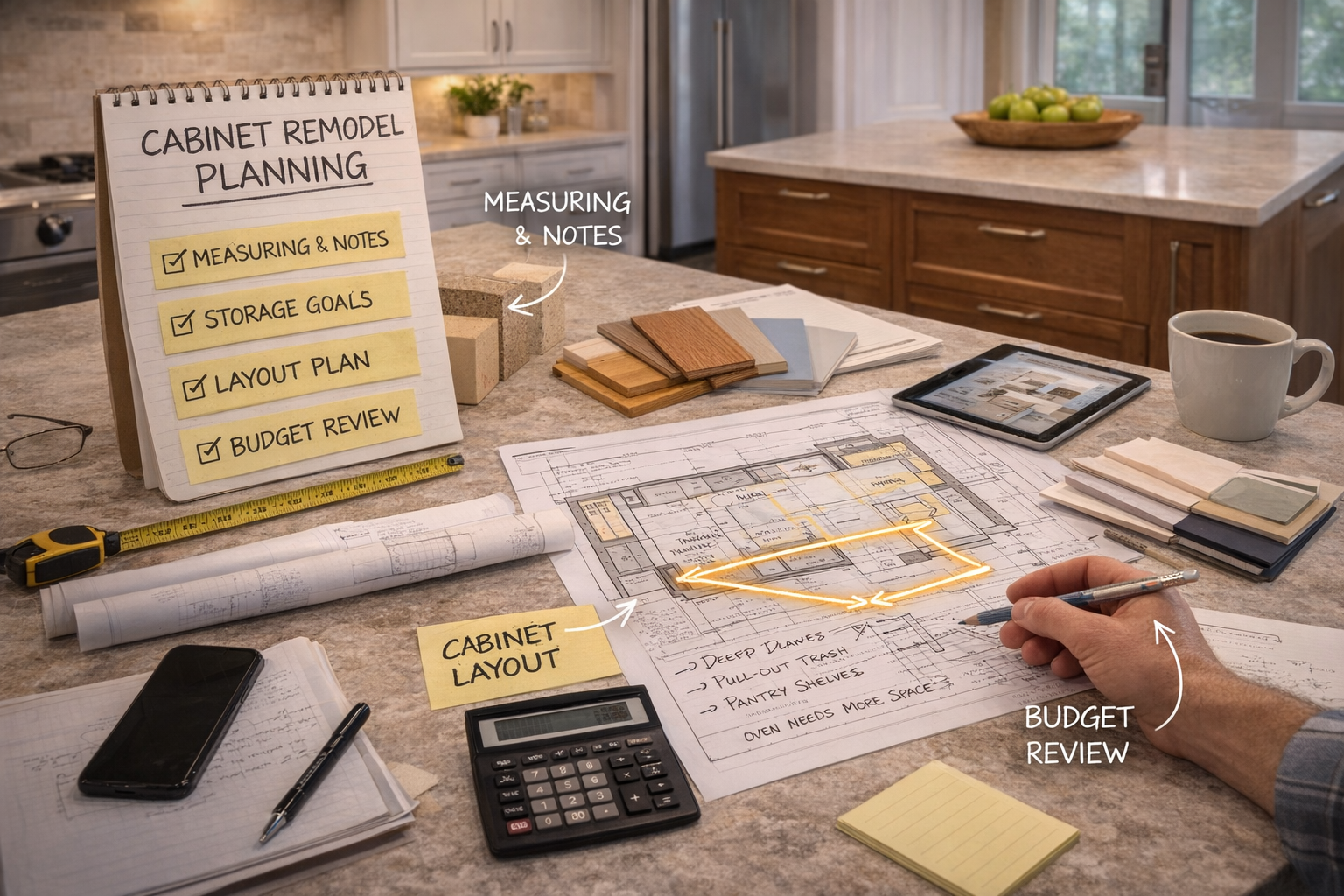
A cabinet remodel should be planned by deciding what storage problems need to be solved, how the kitchen workflow should improve, and whether the cabinet layout should stay similar or change more dramatically. The best plan balances storage, appliance locations, counter space, finish style, and installation reality instead of choosing cabinets in isolation.
What Should Be Decided Before Cabinet Work Starts
Before construction starts, it helps to confirm the cabinet style, cabinet type, drawer vs door priorities, pantry plan, island needs, hardware direction, trim approach, and whether the existing kitchen layout is staying close to the same or being reworked. These decisions affect the whole cabinet order and installation plan.
How Can a Homeowner Prepare for the Installation Process
Homeowners should be ready for demolition, appliance removal or relocation, delivery timing, wall and floor prep, and coordination between cabinet installation, countertop templating, backsplash work, and final trim. Cabinet remodels go best when the kitchen is planned as a full system rather than a series of separate product decisions.
Related Cabinet Remodel Topics
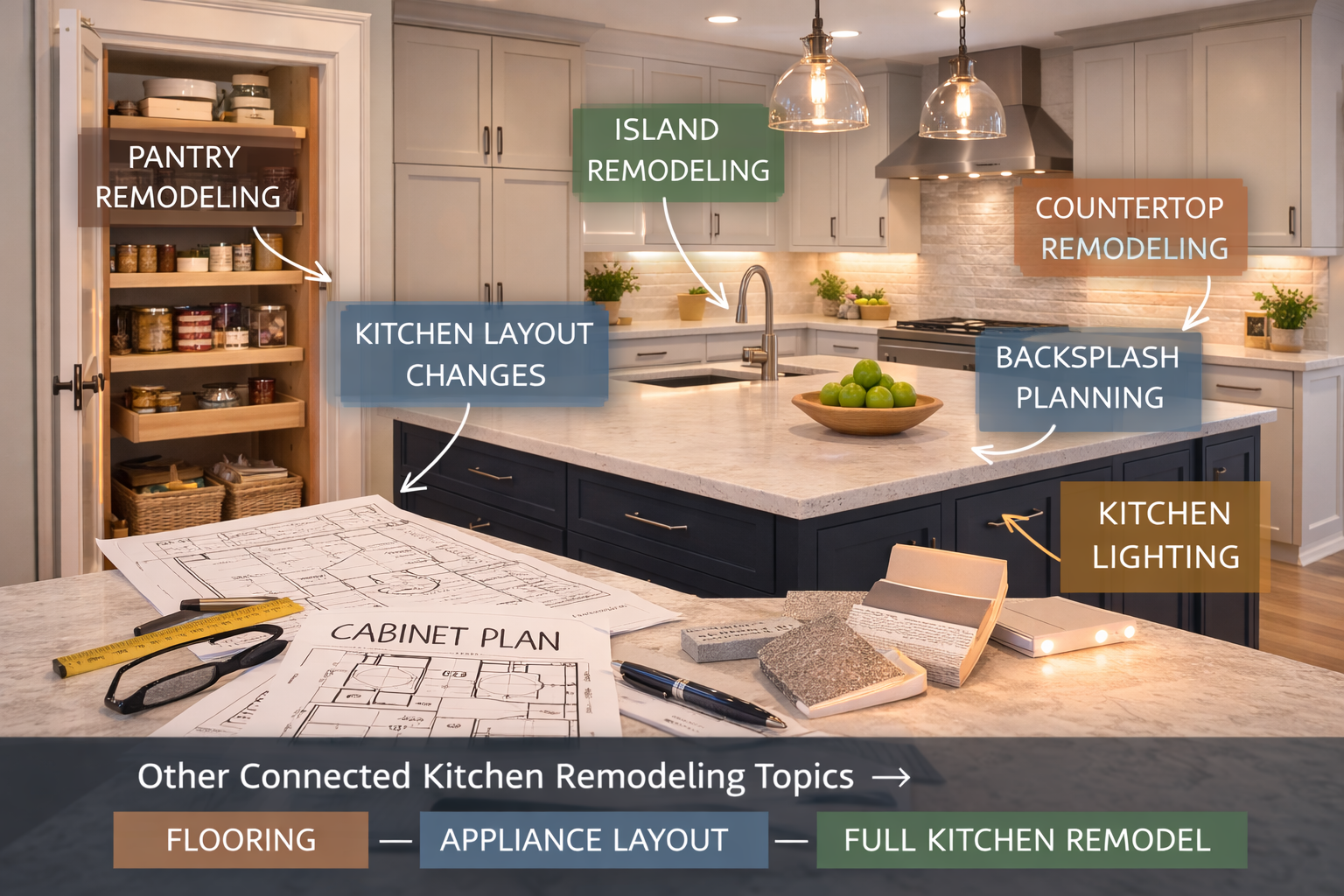
Cabinet remodeling overlaps with kitchen layout changes, pantry design, countertop selection, backsplash planning, and lighting because the cabinets affect how the whole kitchen works and looks. Related topics help homeowners compare whether they need new cabinets only or a broader kitchen rework.
Which Cabinet Remodel-Related Pages Should Connect to This Topic
Strong related pages include pantry remodeling, kitchen layout changes, island remodeling, countertop remodeling, and kitchen lighting. Those pages help break down the design and storage decisions that shape a successful cabinet remodel.
Which Kitchen Remodeling Topics Often Connect to Cabinet Work
Cabinet work often connects to countertops, backsplashes, flooring, lighting, appliance layout, and full kitchen remodeling. In practical remodels, these pieces overlap because the cabinet system defines much of the kitchens structure and function.
Frequently Asked Questions About Cabinet Remodeling
A cabinet remodel can include cabinet replacement, refacing, storage upgrades, hardware changes, pantry improvements, and sometimes layout changes that affect the whole kitchen.
Kitchen cabinets are often replaced when the boxes are worn out, the layout no longer works, or the kitchen needs better storage and updated function.
Refacing can work well when the cabinet structure is still solid and the layout already functions well. Full replacement makes more sense when the storage and layout need bigger changes.
Yes. Better drawers, pantry systems, pull-outs, and cabinet layout changes can improve kitchen storage significantly.
Not always, but many cabinet remodels do affect the countertop because cabinet size, cabinet height, or layout changes can require new surfaces.
The timeline depends on whether the project is a surface update, a full cabinet replacement, or part of a larger kitchen remodel.
Durability depends on both material and construction, but quality plywood boxes, durable finishes, and strong hardware tend to perform well over time.
Yes. Some cabinet remodels keep the same footprint, while others rework the whole kitchen around better storage and workflow.
It can improve kitchen appeal and function, especially when it solves obvious layout or storage problems and fits the rest of the remodel quality.
The first step is deciding what storage and layout problems need to be solved before choosing the cabinet style and finish details.