

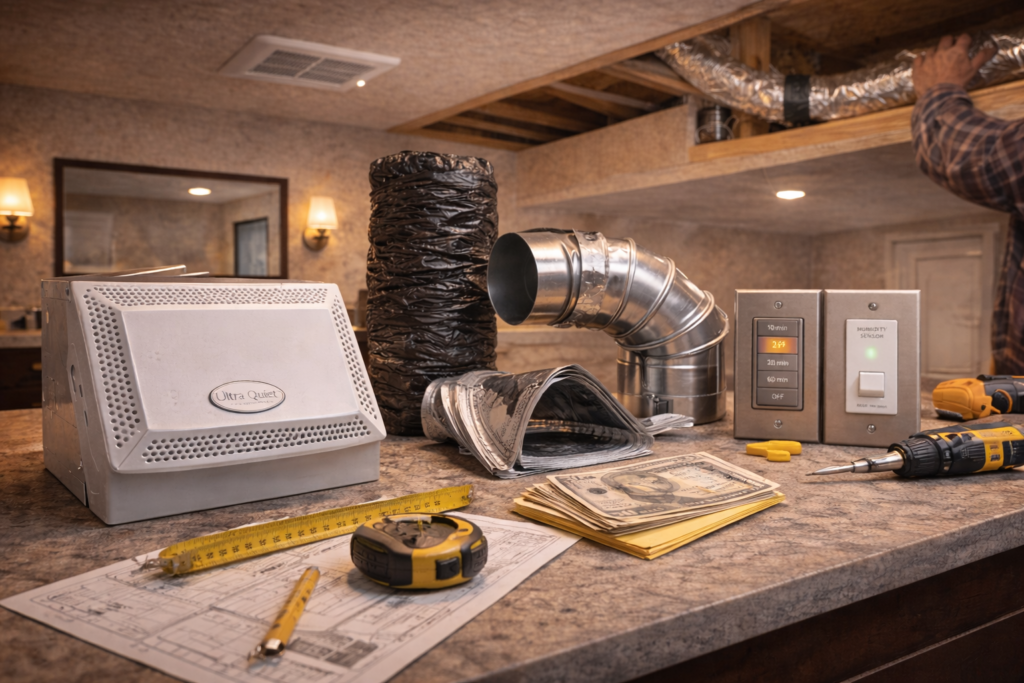
Bathroom Ventilation Guide: Fans, Moisture Control, Costs, and Planning
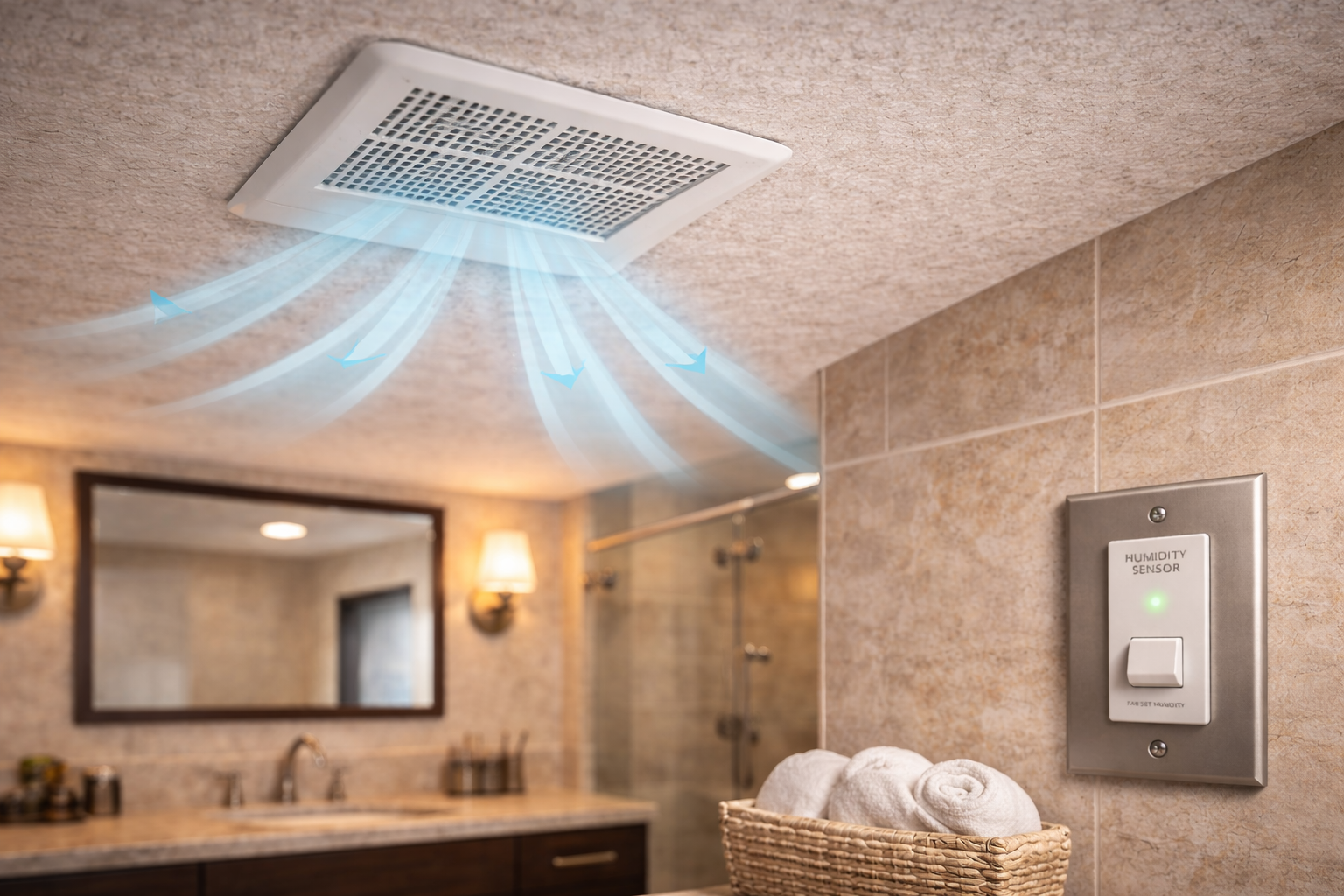
Bathroom Ventilation Guide Index
- Bathroom Ventilation Overview
- When Should Bathroom Ventilation Be Updated
- What Types of Bathroom Ventilation Systems Are Used in Remodeling
- How Do Room Size and Layout Affect Bathroom Ventilation
- What Components Are Used in Bathroom Ventilation Work
- What Upgrades Can Be Added During a Bathroom Ventilation Remodel
- What Installation Details Matter in Bathroom Ventilation Work
- What Affects Bathroom Ventilation Cost
- What Mistakes Should Homeowners Avoid With Bathroom Ventilation
- How Should You Plan Bathroom Ventilation in a Remodel
- Related Bathroom Ventilation Topics
- Frequently Asked Questions About Bathroom Ventilation
Bathroom Ventilation Overview
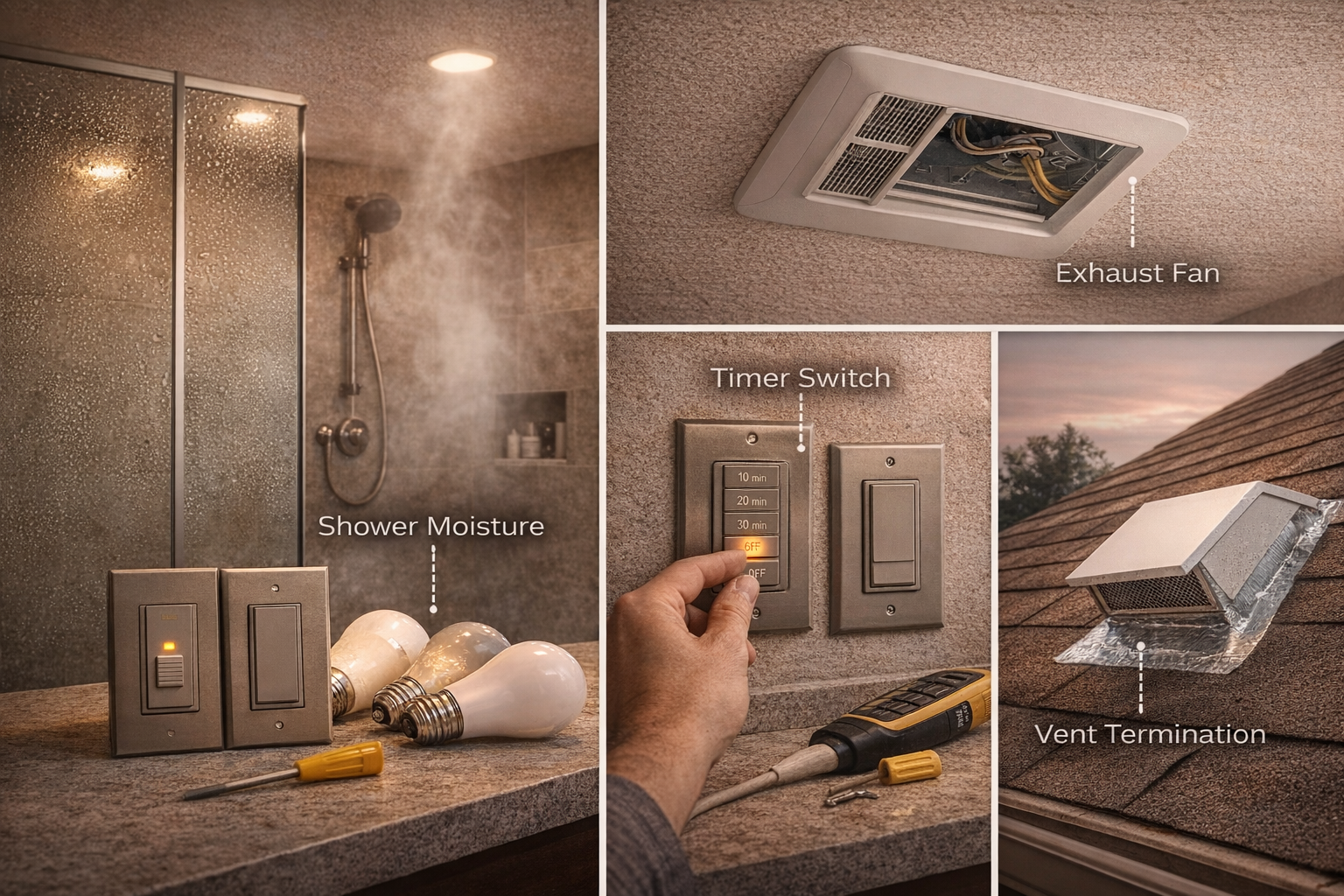
Bathroom ventilation removes humidity, steam, odor, and stale air so the room dries out properly after use. In a real remodel, ventilation work may include replacing an undersized exhaust fan, correcting a bad duct run, adding a timer switch, improving vent termination, or coordinating the fan with new lighting and ceiling work. Good bathroom ventilation protects paint, drywall, trim, cabinets, and framing from repeated moisture exposure.
What Gets Updated During a Bathroom Ventilation Remodel
The work may include the exhaust fan housing, grille, motor, ducting, roof or wall termination, switch controls, timer controls, and wiring. In some bathrooms, ventilation upgrades also involve relocating the fan for better performance, replacing a fan-light combo unit, or correcting an old installation that vents poorly or not at all.
What Is the Difference Between Replacing a Fan and Reworking the Ventilation System
Replacing a fan usually means swapping the unit while keeping the existing duct path and location. Reworking the ventilation system means checking airflow, fan size, duct length, vent route, roof or wall termination, and how the bathroom actually handles moisture. That broader work matters when the old fan has never controlled humidity well in the first place.
When Should Bathroom Ventilation Be Updated
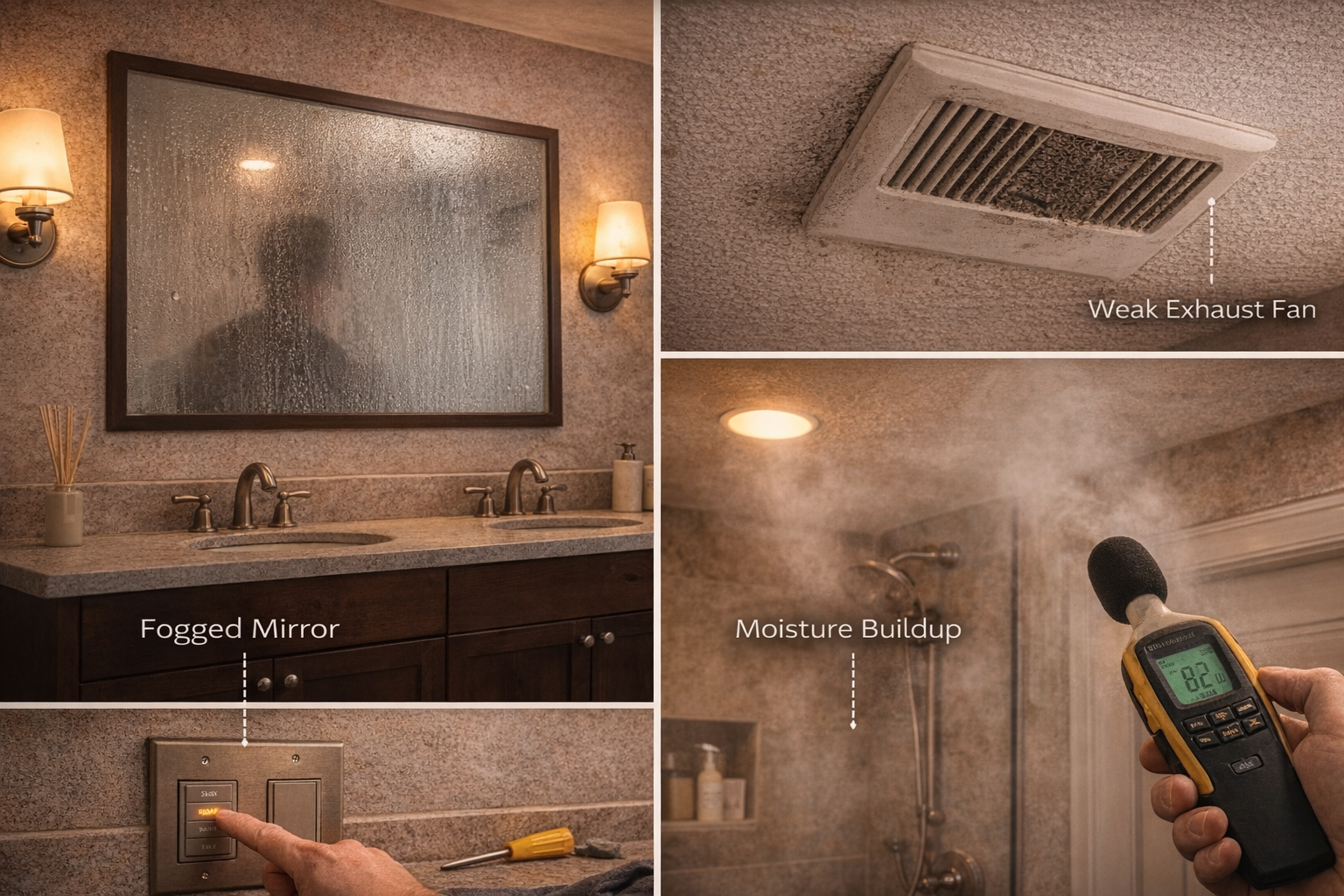
Bathroom ventilation should usually be updated when mirrors stay fogged too long, paint peels, mildew returns, or the room keeps holding moisture after showers. Weak ventilation problems often show up as damp walls, musty smells, swelling trim, recurring mold around corners, or a fan that makes noise without moving enough air. Homeowners comparing performance goals can review Energy Saver ventilation guidance.
What Signs Show That Bathroom Ventilation Is Not Working Well
Clear signs include condensation that lingers, visible mildew on ceilings or grout lines, fan grilles packed with dust, noisy fan motors, and bathrooms that stay humid long after use. In some cases, the fan is running but the duct is too long, disconnected, crushed, or venting into the attic instead of outside.
What Remodeling Situations Usually Trigger a Ventilation Upgrade
Ventilation is often upgraded during full bathroom remodeling, shower replacement, ceiling work, or when a homeowner is trying to solve recurring moisture problems. It is also a common upgrade when an old builder-grade fan is too loud, too weak, or not matched to the size of the bathroom.
What Types of Bathroom Ventilation Systems Are Used in Remodeling
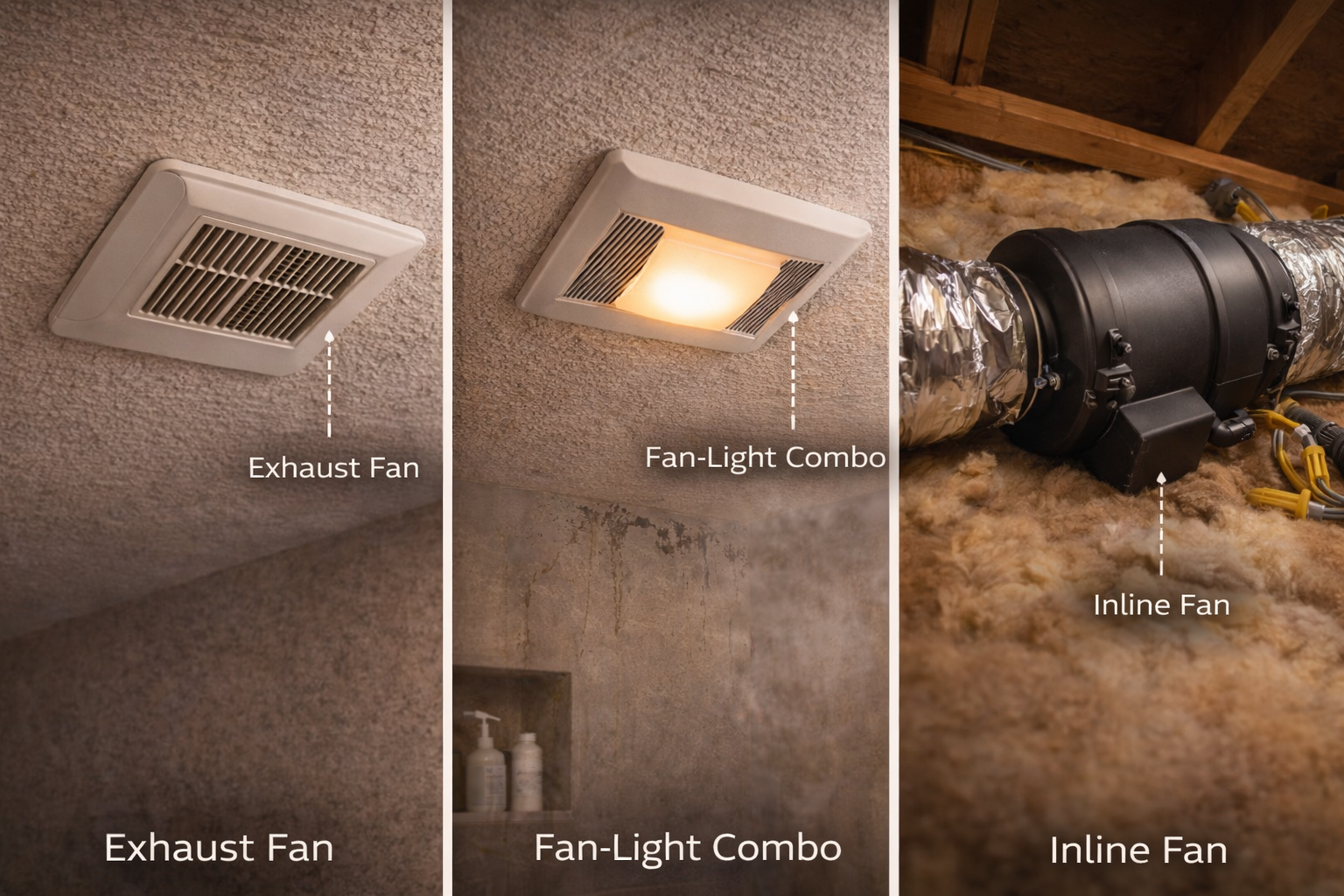
Bathroom remodels commonly use ceiling exhaust fans, fan-light combo units, fan-light-heater combo units, and in some cases inline remote fans for quieter performance. The right type depends on room size, noise preference, duct routing, and whether the fan also needs to carry lighting or heat functions. Ventilation planning matters most when it is integrated into the full scope of bathroom remodeling.
What Fan Types Are Most Common in Bathroom Remodels
Standard ceiling exhaust fans are the most common because they fit many bathrooms and can be sized to the room. Fan-light combo units are common when one ceiling location needs to handle more than one job. Inline fans are used when quieter performance is a priority or when the fan body needs to sit farther from the bathroom ceiling opening.
When Does One Ventilation Setup Make More Sense Than Another
A basic exhaust fan usually works well in a standard bathroom with a simple duct route. A stronger or quieter setup makes more sense in larger bathrooms, bathrooms with longer duct runs, or primary baths that hold more steam because of large showers or soaking tubs. Combo units make sense when ceiling space is limited and functions need to be combined.
How Do Room Size and Layout Affect Bathroom Ventilation
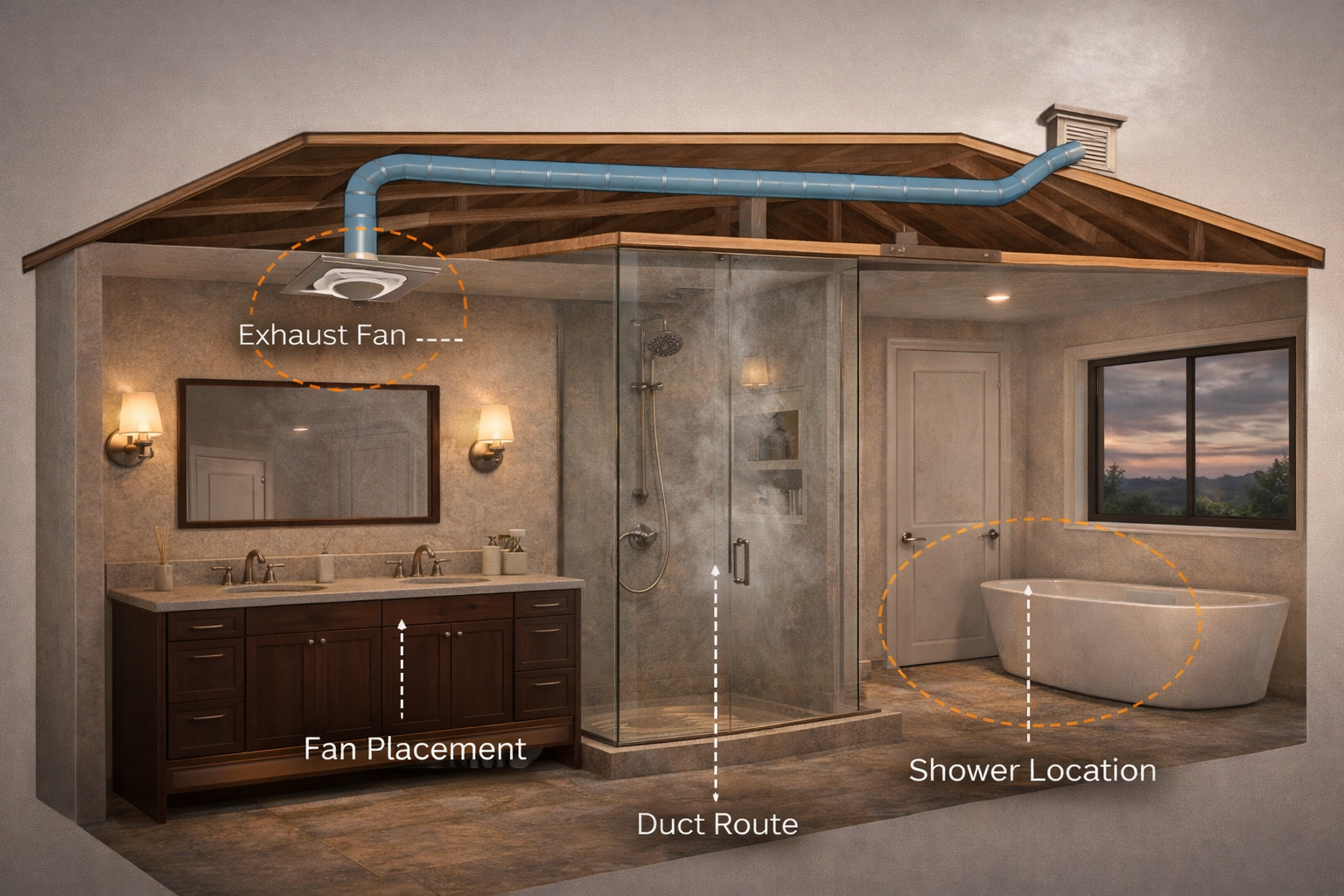
Room size and layout affect where the fan should go, how much air it needs to move, and how long the duct run becomes. A larger bathroom usually needs more airflow than a small powder room. Layout also matters because a fan placed too far from the shower or tub may not clear steam effectively where moisture is concentrated most.
Why Does Fan Placement Matter So Much
Fan placement matters because the goal is to capture humid air where it builds up. In practical remodel work, that usually means placing the fan near the shower or tub without putting it where it conflicts with lights, joists, or the ceiling layout. A poorly placed fan can leave the wettest part of the room under-ventilated.
How Do Duct Route and Bathroom Size Affect Performance
Long duct runs, multiple bends, and undersized ducting all reduce performance. Bathroom size matters because the fan needs enough airflow for the room volume and moisture load. A fan that works in a small guest bathroom may be too weak for a larger primary bath with a heavy steam-producing shower.
What Components Are Used in Bathroom Ventilation Work
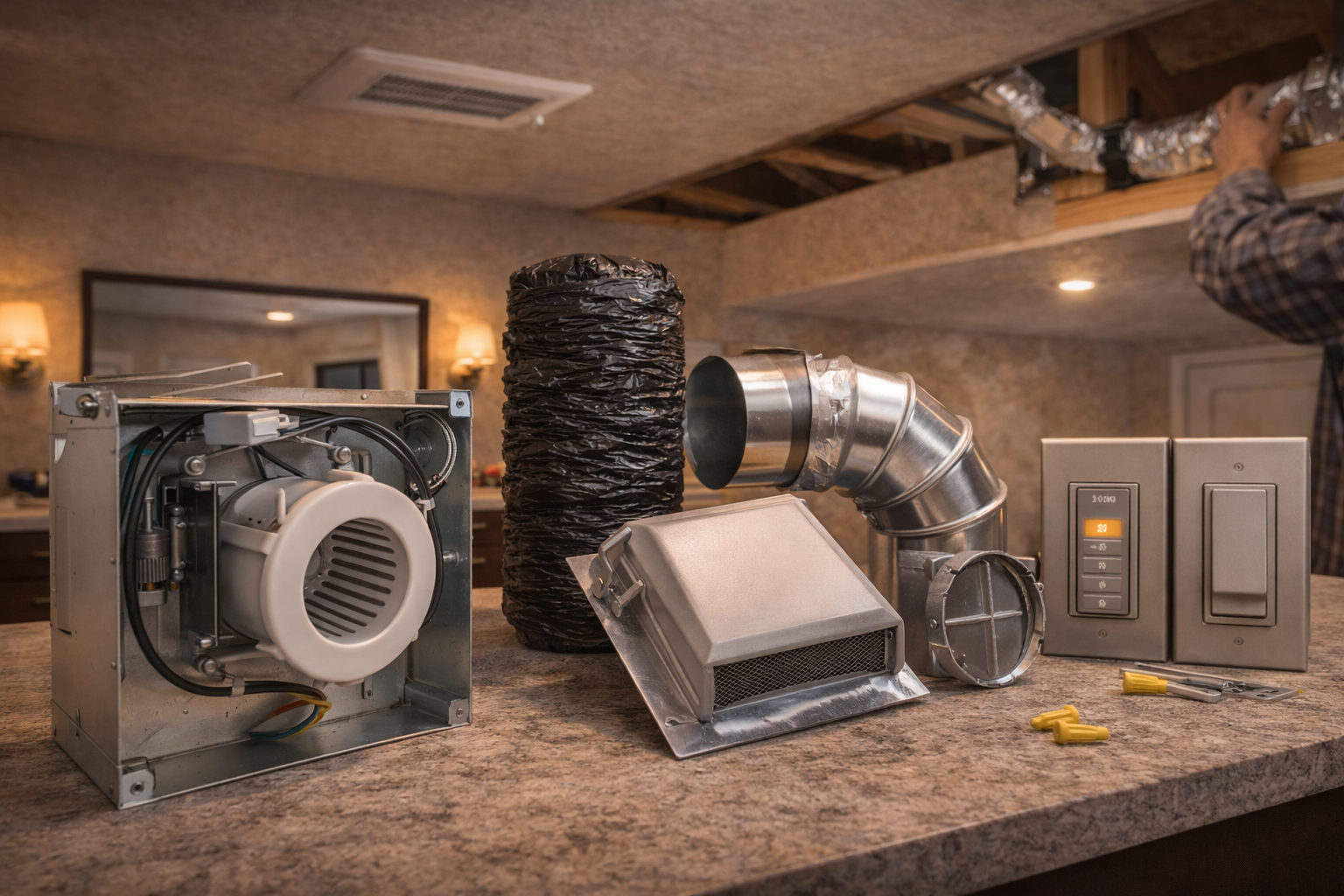
Bathroom ventilation work includes more than the visible grille in the ceiling. The system may involve the fan housing, motor, ducting, elbows, roof or wall cap, backdraft damper, switch controls, timer controls, and the wiring that powers the unit. The system works only as well as its weakest part.
What Hardware and Mechanical Parts Are Common in Ventilation Systems
Common parts include the fan body, blower, duct collar, insulated ducting, clamps, vent cap, and a switch or timer that controls operation. In some remodels, the work also includes a combo light unit, humidity sensor, or upgraded grille style that better fits the ceiling finish.
What Control Components Improve Everyday Use
Timer switches and humidity-sensing controls often improve day-to-day use because they help the fan run long enough after a shower to actually dry the room. These controls are useful in busy bathrooms where people may forget to leave the fan running long enough on a basic wall switch.

What Upgrades Can Be Added During a Bathroom Ventilation Remodel
Ventilation work is often the best time to add upgrades that improve moisture control and daily comfort. Common upgrades include quieter fan models, stronger airflow ratings, timer switches, humidity-sensing controls, fan-light combo units, and better insulated duct runs that reduce condensation problems. Efficiency planning may also benefit from ENERGY STAR guidance.
What Performance Upgrades Are Most Useful
Quieter fans, better duct design, and timer or sensor controls are some of the most useful upgrades because they improve how often the fan actually gets used and how well it clears moisture. In practical terms, a quieter fan that runs long enough usually protects the bathroom better than a loud fan people shut off too soon.
What Combined Function Upgrades Are Common
Common combo upgrades include fan-light units and fan-light-heater units, especially in bathrooms where ceiling space is limited or where the remodel is already updating lighting and electrical controls. These setups can simplify the ceiling plan when they are selected and wired carefully.
What Installation Details Matter in Bathroom Ventilation Work
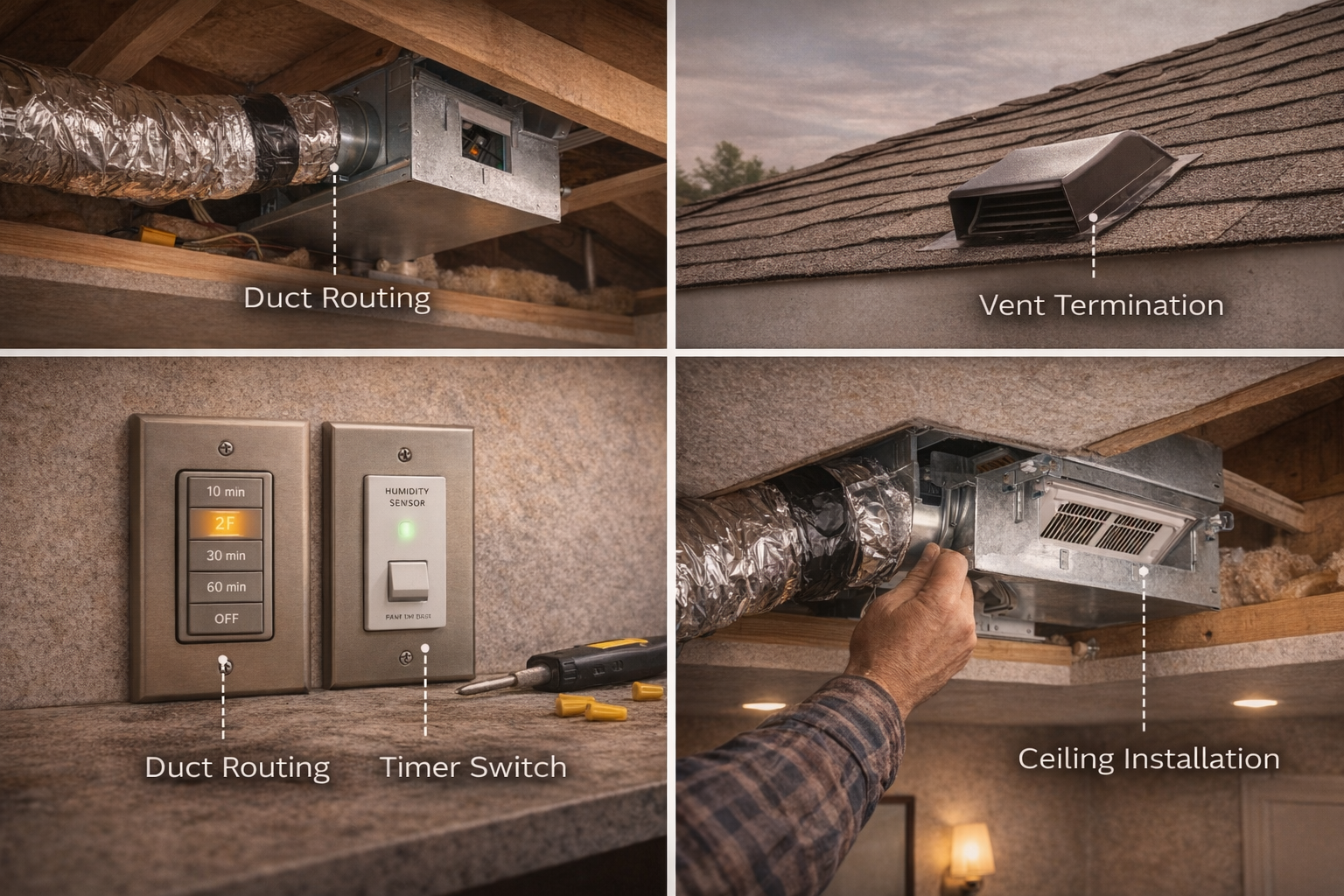
Bathroom ventilation installation depends on fan sizing, duct routing, termination location, electrical control, and how the fan is mounted in the ceiling. If any of those details are handled poorly, the system may still run but fail to remove enough moisture.
Why Do Duct Routing and Exterior Termination Matter So Much
The fan has to move humid air out of the bathroom and all the way outdoors. Long runs, crushed duct, loose connections, and poor exterior terminations reduce airflow and can create condensation problems. In some bad installs, the duct vents into an attic or another enclosed space, which moves the moisture problem instead of solving it.
What Electrical and Ceiling Conditions Need Attention
Fan replacement may require new wiring, a timer control, ceiling patching, or framing adjustments for the new housing size. The installer also has to coordinate the fan with lights, ceiling joists, insulation, and any other items sharing the same ceiling cavity.
What Affects Bathroom Ventilation Cost
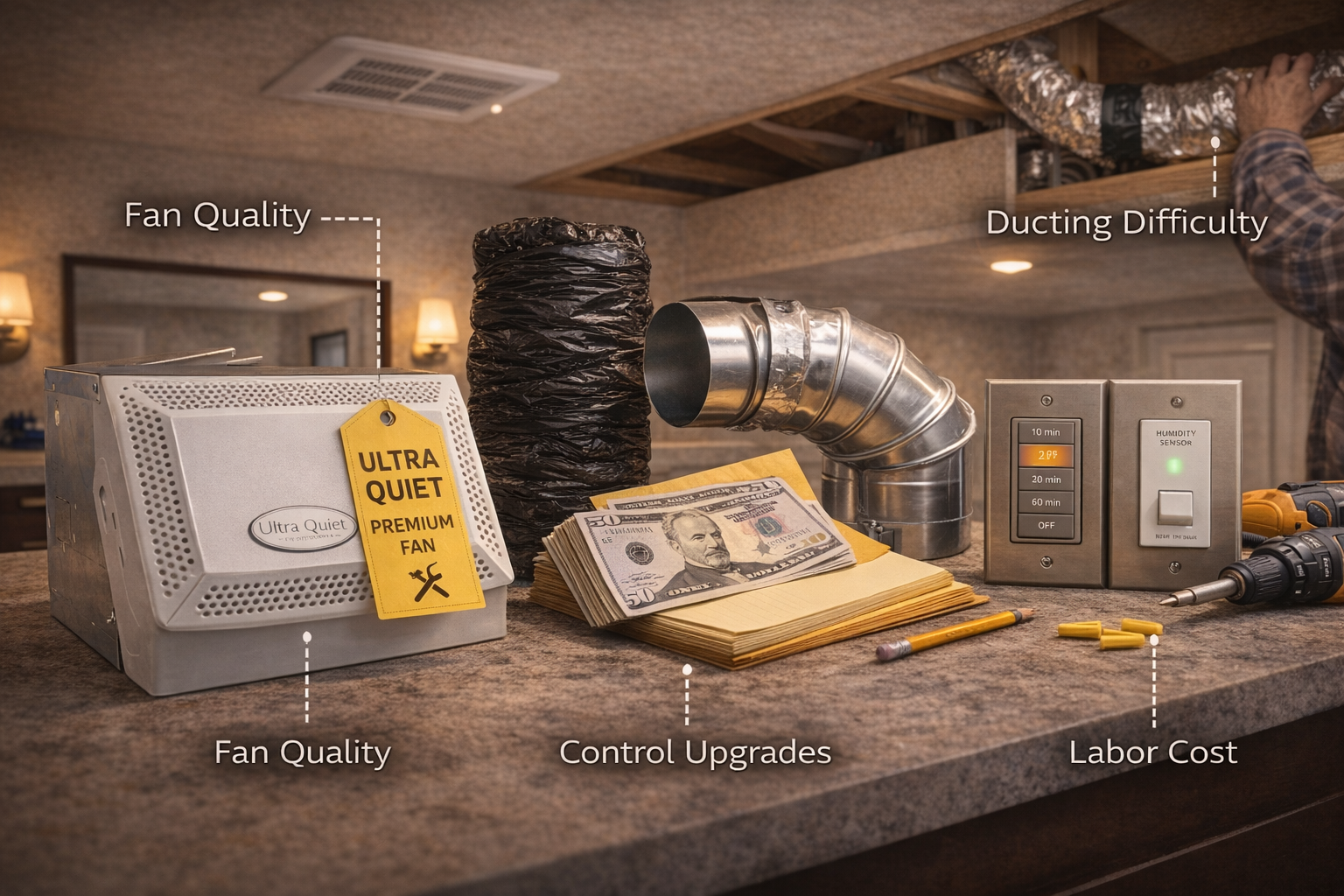
Bathroom ventilation cost usually depends on the fan type, the difficulty of the duct route, access above the ceiling, and whether the job is a simple replacement or a larger correction. Swapping a fan in the same location is different from adding a new duct route, changing controls, and correcting a poor old installation.
Which Ventilation Choices Usually Raise the Cost
Costs usually rise with quieter premium fan models, inline fans, combo fan-light-heater units, humidity-sensing controls, and new duct or roof termination work. The more the job moves from a basic swap toward a full system correction, the more labor it usually needs.
How Do Existing Conditions Change the Budget
Labor costs go up when attic access is poor, ceilings need patching, duct runs are too long or badly routed, or old electrical work has to be corrected. Existing conditions matter because many ventilation problems are hidden above the ceiling until the remodel opens the area up.

What Mistakes Should Homeowners Avoid With Bathroom Ventilation
The biggest bathroom ventilation mistakes usually happen when the fan is chosen by price alone or when the duct route is treated like a minor detail. A quiet grille in the ceiling does not help much if the fan is undersized, the controls are poor, or the air never gets outside properly.
Why Is an Undersized or Poorly Used Fan a Problem
An undersized fan may run every day and still leave moisture behind on walls, mirrors, and trim. A fan that is loud enough to annoy people may also get shut off too quickly to dry the room. Good ventilation depends on both the system design and how likely the homeowner is to actually use it correctly.
Why Is It Risky to Ignore Duct and Moisture Details
Bad duct routing, poor exterior venting, and moisture collecting in attic spaces can lead to mold, damp insulation, and long-term damage outside the bathroom itself. These hidden mistakes are some of the most expensive to correct later because they affect more than the finished room surface. For technical installation guidance, many pros refer to TCNA tile standards.

How Should You Plan Bathroom Ventilation in a Remodel
Bathroom ventilation should be planned by looking at room size, shower and tub use, duct path, and ceiling layout before the finish work starts. The best plan chooses the right fan type and control method for the actual bathroom instead of dropping in a generic replacement.
What Should Be Decided Before Ventilation Work Starts
Before construction starts, it helps to confirm the fan type, airflow target, duct route, exterior termination point, switch style, timer or humidity control, and whether the fan will also include a light or heater. These decisions affect electrical work, ceiling layout, and how the bathroom performs after the remodel is done.
How Can a Homeowner Prepare for the Installation Process
Homeowners should be ready for ceiling access, attic or roof work in some cases, control changes at the wall, and possible patching if the new fan housing does not match the old opening. If the fan work is part of a larger remodel, it should be coordinated with lighting, drywall, and ceiling finishing so the final result looks clean.
Related Bathroom Ventilation Topics
Bathroom ventilation connects to lighting, shower design, mold prevention, ceiling work, and full bathroom remodeling because moisture control affects the whole room. Related topics help homeowners compare whether they only need a stronger fan or whether the bathroom has broader moisture and construction issues.
Which Ventilation-Related Pages Should Connect to This Topic
Strong related pages include bathroom exhaust fans, humidity control, mold prevention, shower ventilation, fan-light combos, and bathroom electrical upgrades. Those topics help explain the more specific decisions that often come up once ventilation work starts.
Which Bathroom Remodeling Topics Often Connect to Ventilation Work
Ventilation work often connects to bathroom lighting, shower remodeling, ceiling repair, waterproofing, and full bathroom remodeling. In real projects, these pieces overlap because the fan, ceiling finish, and moisture control strategy all have to work together.
Frequently Asked Questions About Bathroom Ventilation
Bathroom ventilation removes humidity and helps protect paint, drywall, trim, and framing from repeated moisture exposure. It also helps control odor and reduces the chance of mold problems.
If mirrors stay fogged too long, the room feels damp after showers, or mildew keeps returning, the fan may be too weak or the duct system may be performing poorly.
Yes. A loud fan can still move air, but it may get used less often because people want to turn it off quickly. That is one reason quieter fan upgrades are so useful.
They should vent outside. Sending humid air into an attic or enclosed space can create a different moisture problem instead of solving the original one.
Yes. Running the fan after a shower helps clear the remaining moisture from the room. Timer controls make this easier because the fan can keep running without someone remembering to switch it later.
That depends on the ceiling layout and what the room needs. A combo unit can work well when one ceiling location has to serve more than one purpose.
Yes. Poor ventilation can contribute to peeling paint, mold growth, swollen trim, moisture damage, and a bathroom that never seems to dry out properly.
A simple fan replacement can be faster than a job that needs new duct routing, control changes, or ceiling repair. The timeline depends on the condition of the existing system and the complexity of the upgrade.
Yes. Humidity-sensing controls can help the fan run long enough to remove moisture even when people forget to leave it on.
The first step is checking how well the current fan performs and whether the room is actually drying out after use. That helps determine whether the problem is the fan size, the duct route, the controls, or the whole system.