

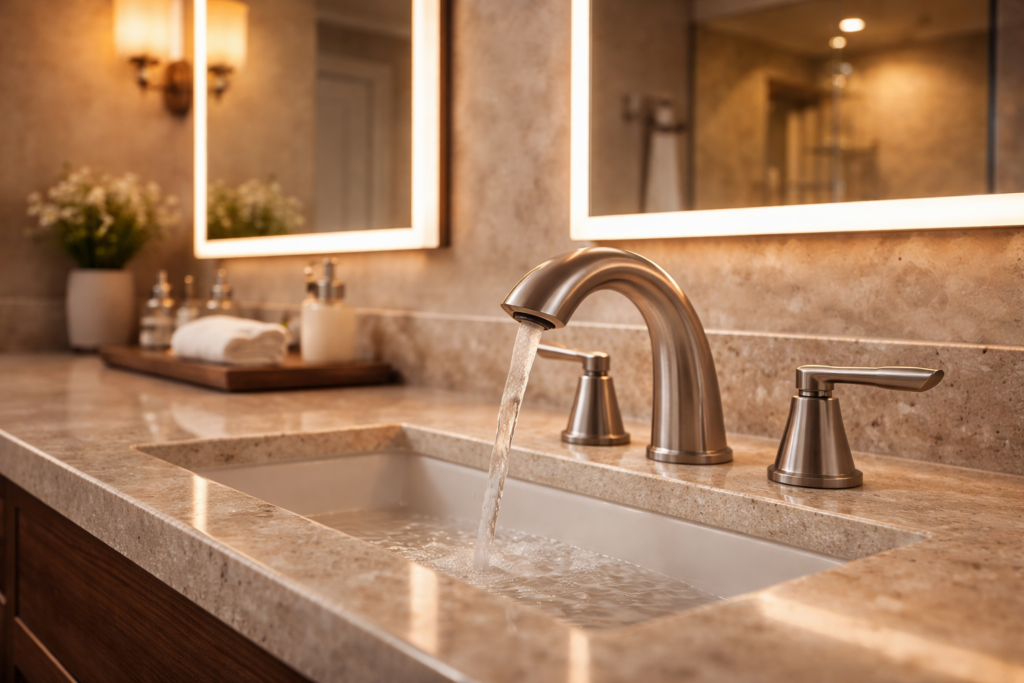
Bathroom Faucets: Types, Installation, Costs, and Planning
Bathroom Faucets Guide Index
- Bathroom Faucets Overview
- When to Replace Bathroom Faucets
- Types of Bathroom Faucets
- Bathroom Faucet Styles and Finishes
- Bathroom Faucet Materials and Construction
- Bathroom Faucet Features and Upgrades
- Bathroom Faucet Installation
- Bathroom Faucet Cost Factors
- Common Bathroom Faucet Mistakes
- Bathroom Faucet Planning Checklist
- Related Bathroom Faucet Topics
- Frequently Asked Questions About Bathroom Faucets
Bathroom Faucets Overview
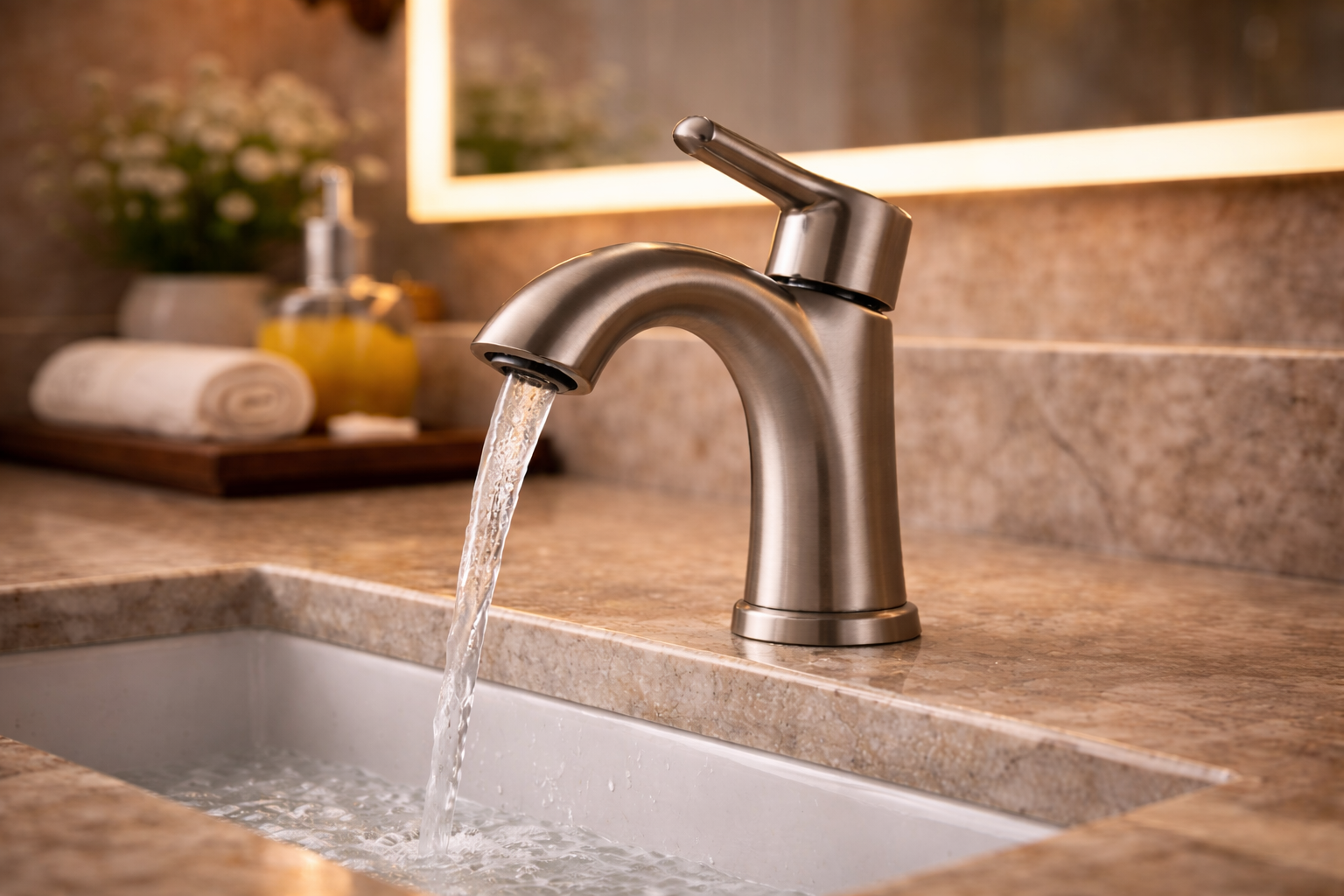
Bathroom faucets control water flow for hand washing, face washing, teeth brushing, and other daily grooming tasks. They consist of a spout that delivers water, handles or sensors that control temperature and flow rate, and internal valves that regulate water mixing. While often chosen for appearance, faucet quality affects water pressure, temperature consistency, leak prevention, and long-term durability in daily use.
What Bathroom Faucets Do
A bathroom faucet mixes hot and cold water to deliver it at the desired temperature through the spout. Single-handle faucets adjust both temperature and flow with one motion. Double-handle models use separate controls for hot and cold water. Beyond basic function, faucets contribute significantly to bathroom aesthetics, with styles ranging from traditional to ultra-modern. The right faucet complements vanity design, coordinates with other fixtures, and can elevate the overall look of the space.
Faucet Placement and Configuration
Most bathroom faucets install on the sink deck or countertop behind the basin, though wall-mounted options are also available. Standard configurations include centerset faucets with handles and spout on a shared base plate, widespread faucets with separate components, and single-hole designs for minimalist looks. Vessel sinks require taller faucets, while undermount sinks work with standard height models. Understanding these configurations ensures proper selection for your specific sink type.
When to Replace Bathroom Faucets
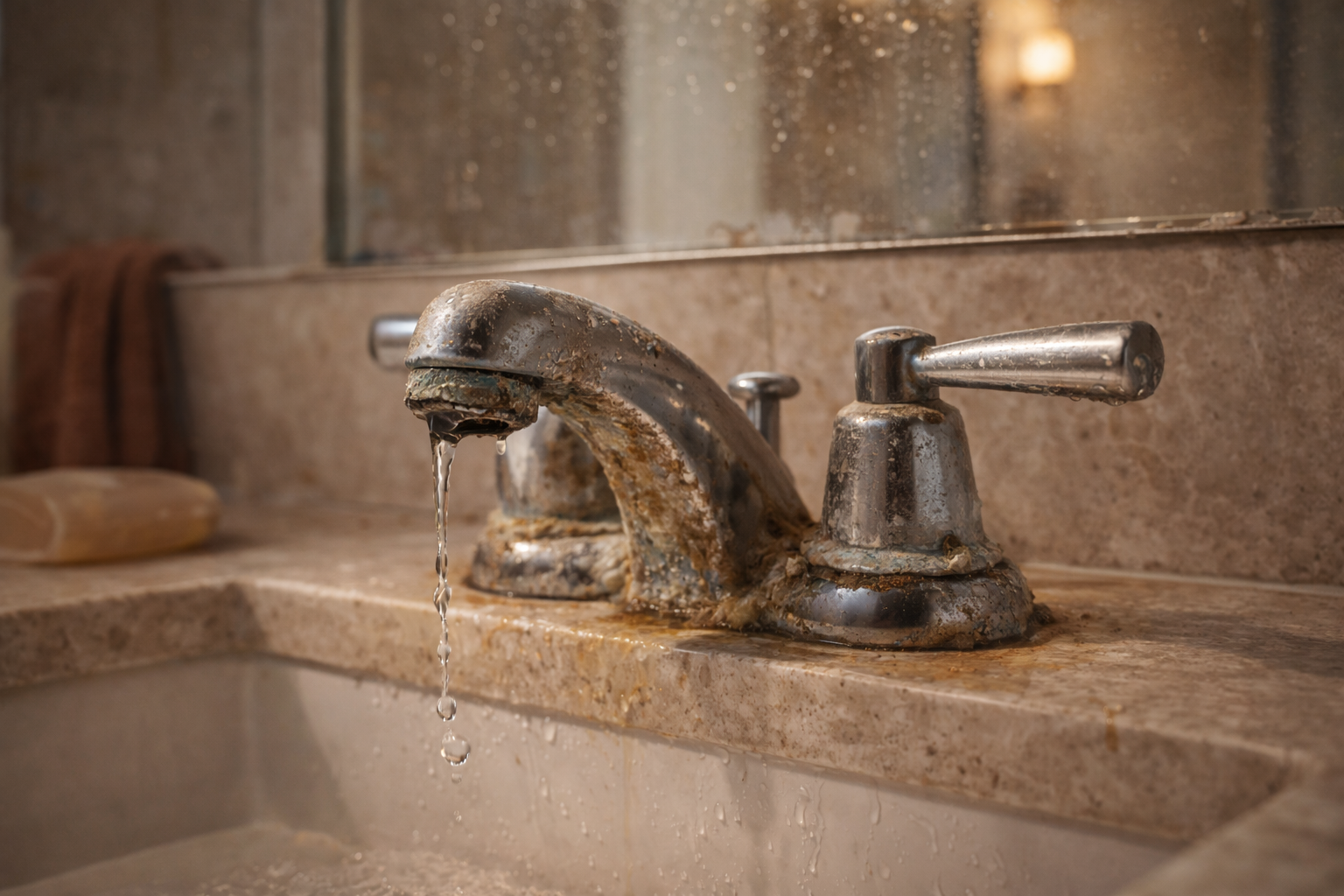
Homeowners replace bathroom faucets when they malfunction, leak, or no longer match the bathroom’s design. Dripping faucets waste water and increase utility bills. Corroded finishes, outdated styles, and poor water flow also drive replacement decisions. Understanding the signs helps homeowners plan faucet updates as part of larger remodels or standalone improvements. Faucet upgrades usually make the most sense when they are planned within the larger scope of bathroom remodeling.
Signs Your Faucet Needs Replacement
Persistent dripping from the spout or handles indicates worn internal components that may cost more to repair than replace. Mineral buildup and corrosion affect both appearance and function, restricting water flow and making cleaning difficult. Loose handles, stiff operation, or inconsistent water temperature signal valve deterioration. Leaks around the base damage countertops and cabinets over time, requiring prompt attention.
Style Updates and Remodel Timing
Many homeowners replace faucets during bathroom renovations to match new vanities, mirrors, and shower fixtures. A polished chrome faucet clashes with matte black hardware just as an ornate traditional faucet looks out of place in a minimalist modern bathroom. Coordinating faucet replacement with other updates ensures cohesive design and avoids mismatched finishes that detract from the overall appearance.
Types of Bathroom Faucets
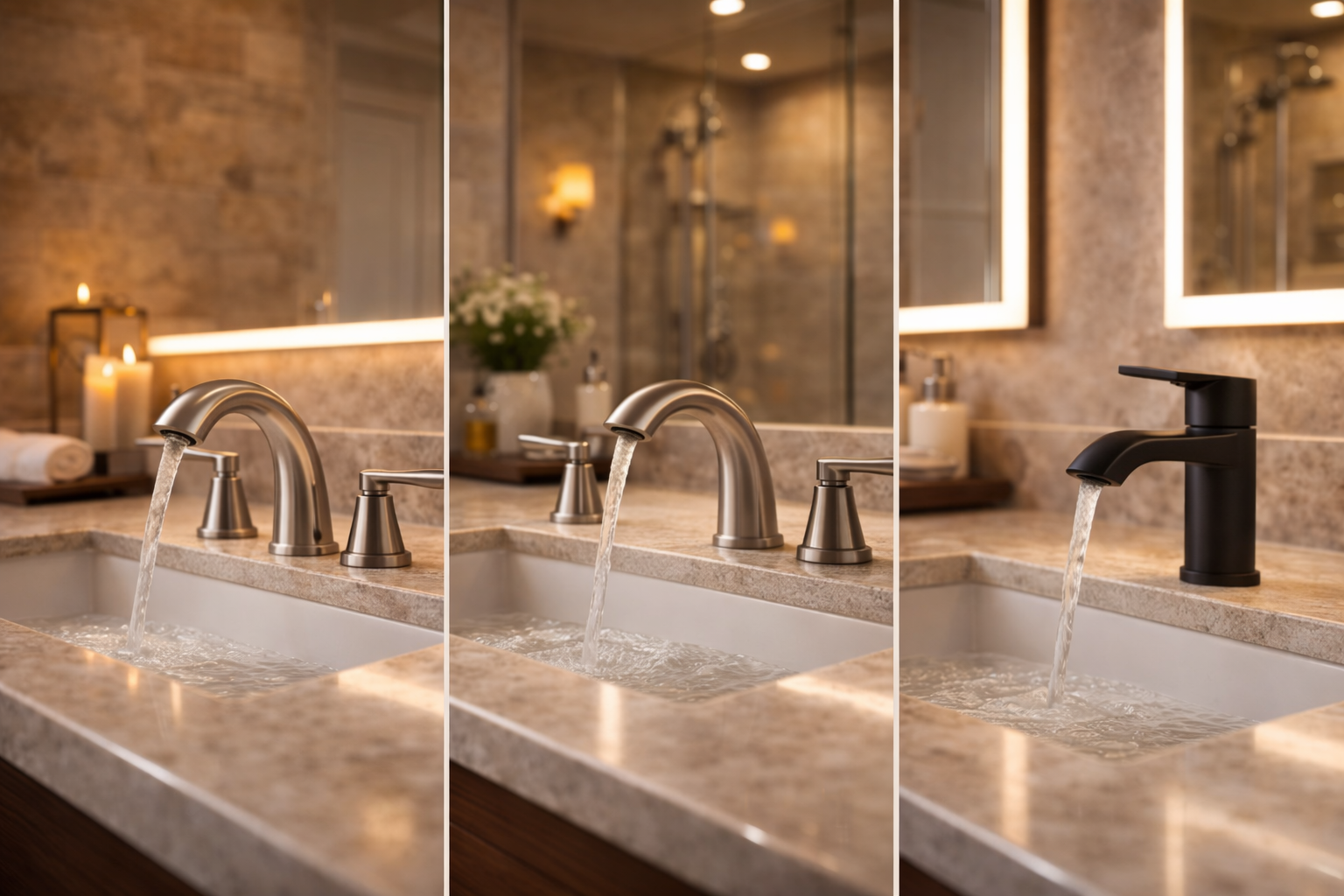
Bathroom faucets come in several mounting and handle configurations, each suited to different sink types and design preferences. The three main categories differ in how components arrange on or near the sink surface. Choosing the right type depends on your sink’s pre-drilled holes, available counter space, and desired aesthetic.
Centerset and Widespread Faucets
Centerset faucets combine the spout and two handles on a single base plate, typically requiring three holes spaced four inches apart. This compact design works well for smaller vanities and pedestal sinks. Widespread faucets feature separate spout and handles installed independently, usually requiring eight to sixteen inches between handle holes. This configuration offers more flexible placement and a luxurious, custom appearance popular in primary bathrooms.
Single-Hole and Wall-Mounted Options
Single-hole faucets combine spout and handle control in one streamlined unit, ideal for contemporary designs and small spaces. They require only one mounting hole, simplifying installation and creating a cleaner look. Wall-mounted faucets install on the wall above the sink, freeing counter space and creating a distinctive architectural statement. These require special plumbing rough-in and work best with vessel or above-counter sinks that need additional clearance. For layout and clearance planning, many designers reference NKBA planning guidelines.
Bathroom Faucet Styles and Finishes
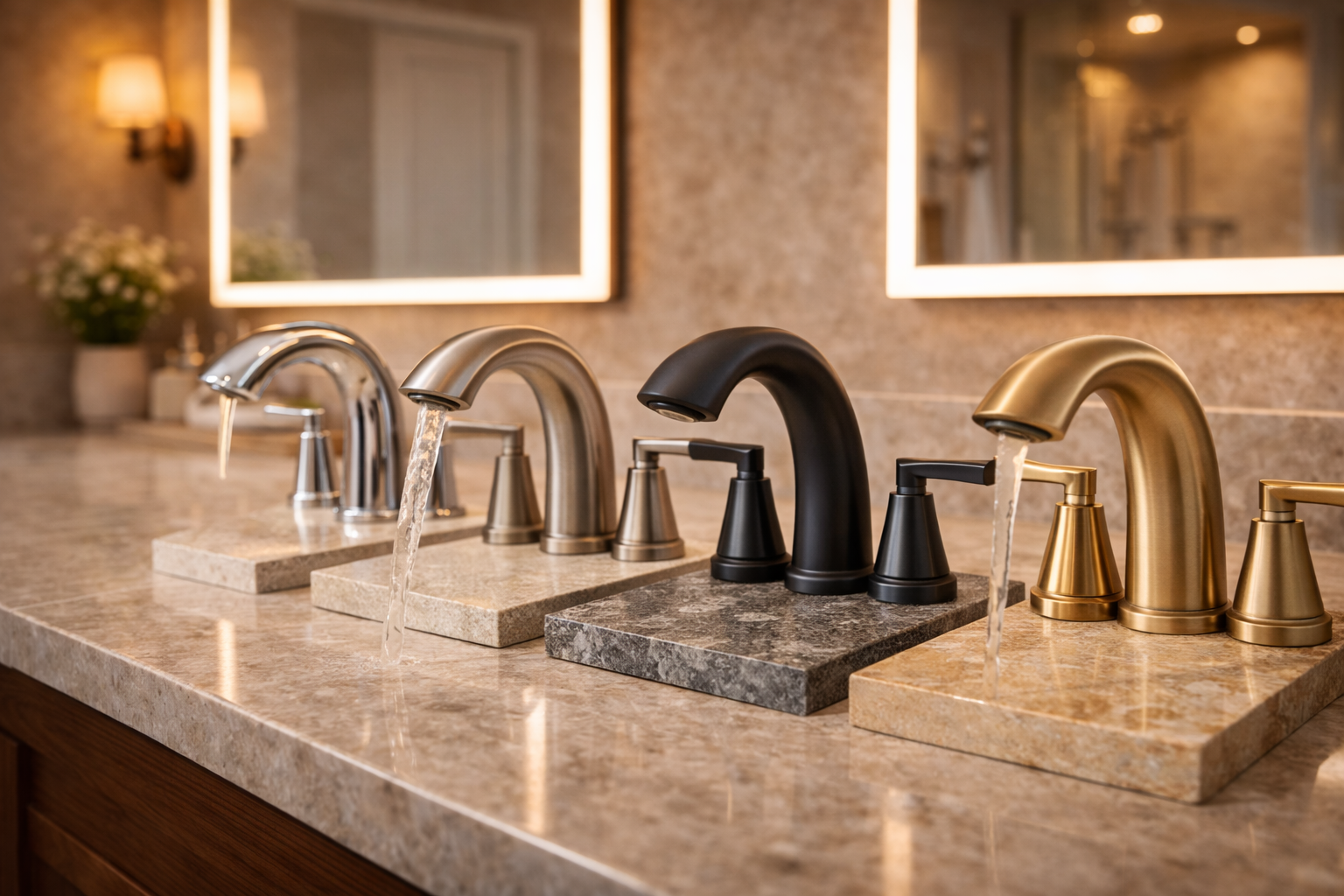
Faucet style and finish significantly impact bathroom aesthetics. From sleek contemporary lines to ornate traditional details, the design should complement surrounding elements. Finish color affects how the faucet coordinates with other metal fixtures and hardware throughout the space.
Popular Design Styles
Contemporary faucets feature clean lines, geometric shapes, and minimal ornamentation. Traditional styles incorporate curved silhouettes, decorative details, and classic proportions. Transitional designs blend elements from both, offering versatility that works in various bathroom settings. Industrial styles expose mechanical elements and use utilitarian forms. Selecting a style that matches your vanity, mirror frame, and overall bathroom theme creates visual harmony.
Finish Options and Coordination
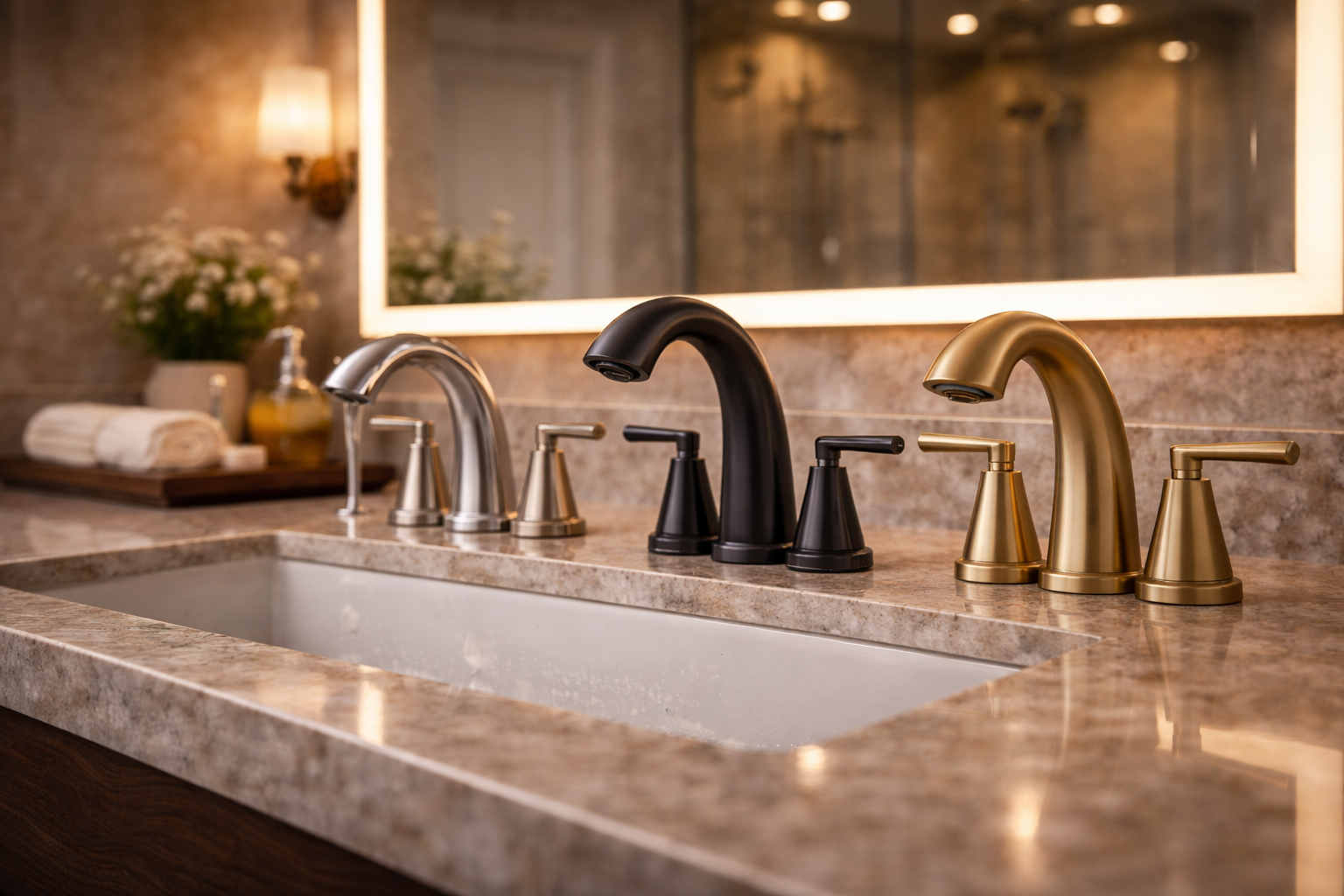
Chrome remains the most popular finish due to its brightness, durability, and easy maintenance. Brushed nickel offers a warmer, softer appearance that hides water spots better than polished surfaces. Matte black provides dramatic contrast and modern sophistication. Oil-rubbed bronze and antique brass suit traditional designs with their rich, dark tones. Brushed gold and champagne bronze add luxury and warmth. Matching or intentionally mixing finishes requires considering towel bars, drawer pulls, shower fixtures, and lighting hardware for cohesive design.
Bathroom Faucet Materials and Construction
Quality bathroom faucets use durable materials and reliable internal mechanisms that withstand daily use and resist corrosion. Understanding construction differences helps homeowners distinguish between budget options and long-lasting investments that perform reliably for years.
Body Materials and Durability
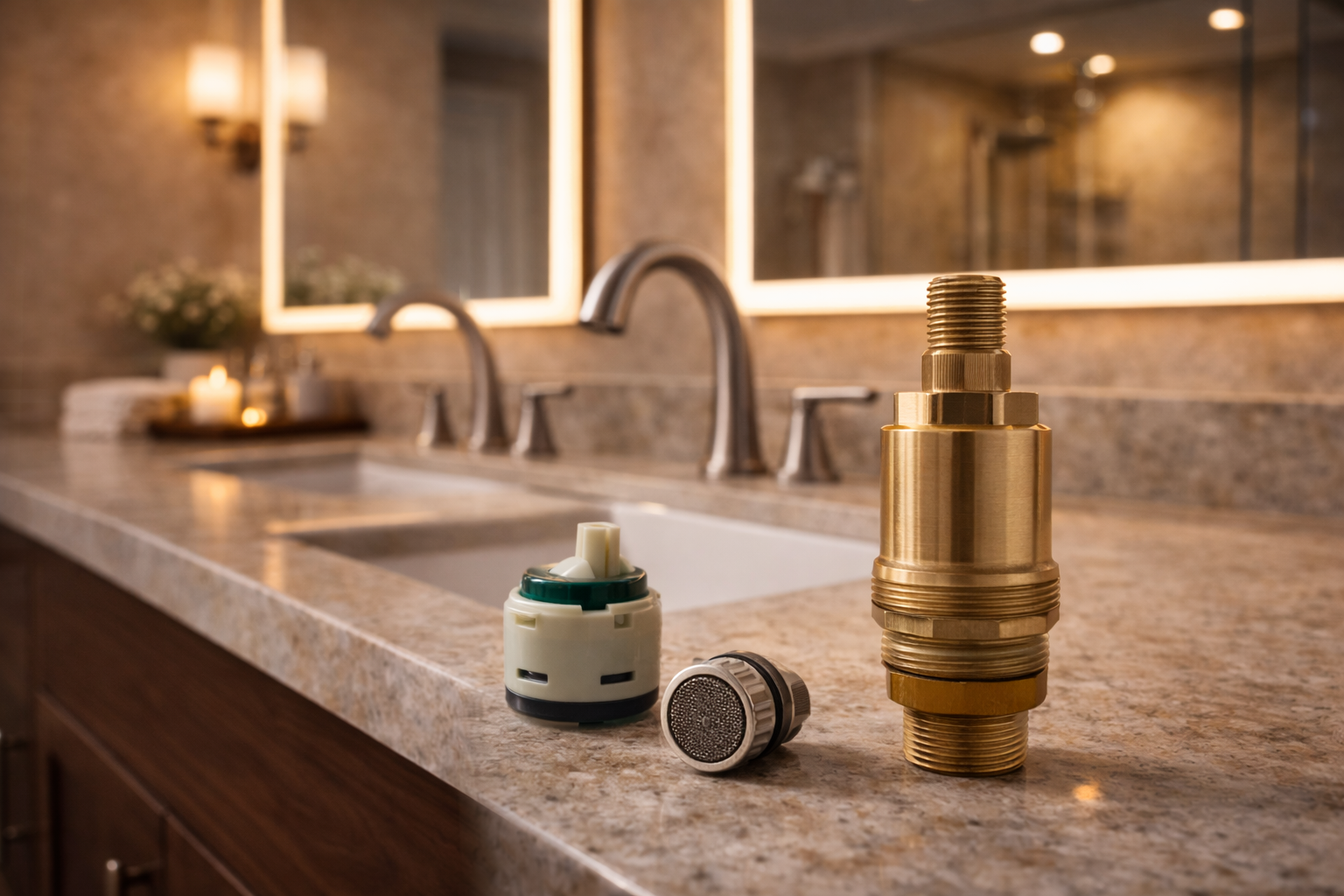
Solid brass remains the premium choice for faucet bodies due to its strength, corrosion resistance, and longevity. Brass faucets last decades with proper care. Zinc alloy and plastic bodies cost less but degrade faster, particularly in hard water conditions. The material affects weight, with solid brass feeling substantially heavier than lesser alternatives. Quality manufacturers machine brass bodies precisely, ensuring smooth operation and tight seals.
Valve Technology and Water Flow
Ceramic disc cartridges represent current industry standards, using two ceramic discs that slide against each other to control water flow. These resist wear, operate smoothly, and rarely require maintenance. Compression valves found in older and budget faucets use rubber washers that deteriorate and cause drips. Aerators mix air with water to reduce splash and conserve water while maintaining perceived pressure. Quality aerators unscrew easily for cleaning when mineral deposits accumulate. During remodeling, it also helps to follow EPA indoor air quality guidance.
Bathroom Faucet Features and Upgrades
a Modern bathroom faucets offer features extending beyond basic water delivery. These upgrades improve convenience, hygiene, water efficiency, and user experience. Evaluating which features justify additional cost depends on household needs and usage patterns.
Water Conservation and Temperature Control
WaterSense labeled faucets meet EPA criteria for water efficiency, using maximum 1.5 gallons per minute without sacrificing performance. These reduce water consumption and utility costs over time. Temperature memory features remember your preferred setting, reducing adjustment time and water waste. Some high-end faucets include thermostatic valves that maintain consistent temperature despite fluctuations in water pressure elsewhere in the home.
Touchless and Smart Technology
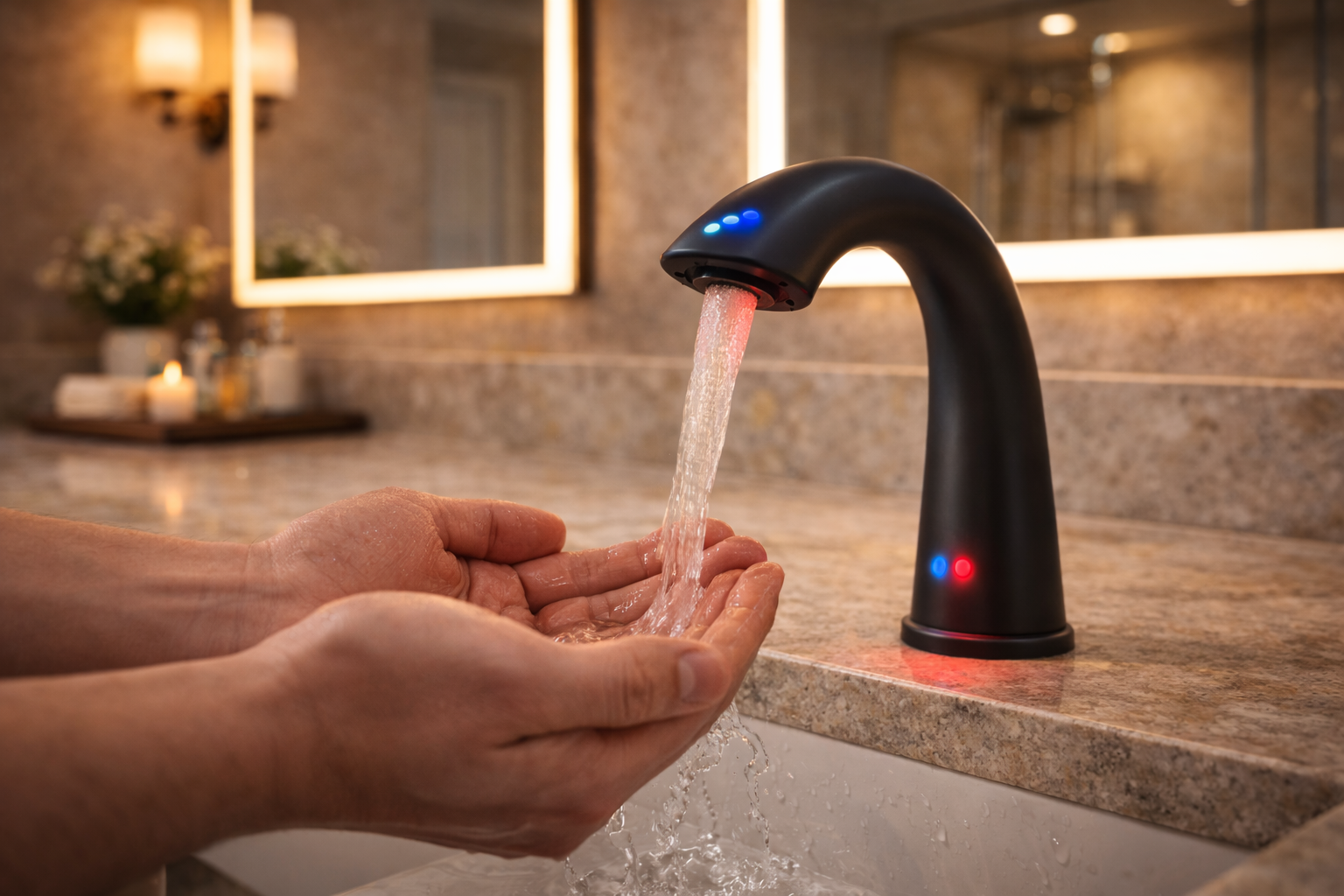
Touchless faucets use motion sensors to activate water flow, improving hygiene by eliminating handle contact. These require electrical connections via batteries or hardwiring. LED indicators show water temperature through color changes, preventing scalding and adding visual interest. Premium smart faucets connect to home systems for voice activation, usage monitoring, and leak detection alerts. These technologies add convenience but increase cost and complexity.
Bathroom Faucet Installation
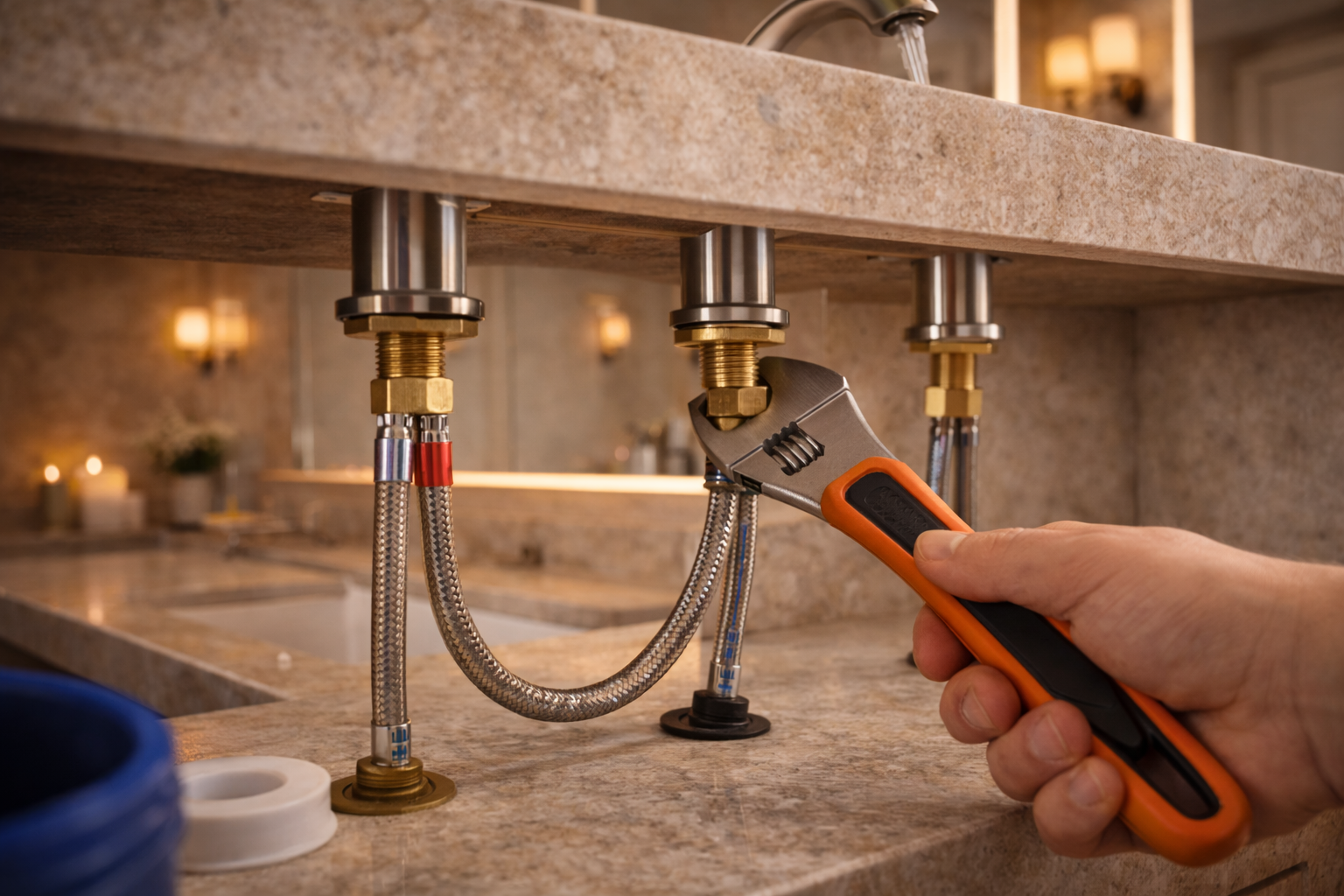
Installing a bathroom faucet requires basic plumbing knowledge, appropriate tools, and attention to detail. While many homeowners handle straightforward replacements, complex installations involving new valve bodies or wall-mounted units benefit from professional expertise. Proper installation prevents leaks, ensures correct operation, and protects surrounding cabinetry and finishes.
Replacement vs New Installation
Replacing an existing faucet with the same configuration involves disconnecting supply lines, removing mounting hardware, cleaning the sink surface, and reversing the process with the new fixture. This typically takes thirty minutes to an hour for experienced DIYers. New installations or configuration changes require drilling additional holes, modifying supply lines, or adjusting drain assemblies. These complexities often warrant professional installation to avoid damaging expensive countertops or creating code violations.
Supply Lines and Sealing
Flexible braided stainless steel supply lines simplify installation and accommodate slight misalignments. Rigid copper supplies require precise bending and fitting. Apply plumber’s putty or silicone sealant beneath faucet escutcheons to prevent water seepage into cabinet areas. Tighten mounting nuts adequately without overtightening, which cracks porcelain sinks or warps metal bases. Test thoroughly for leaks before considering the job complete.
Bathroom Faucet Cost Factors
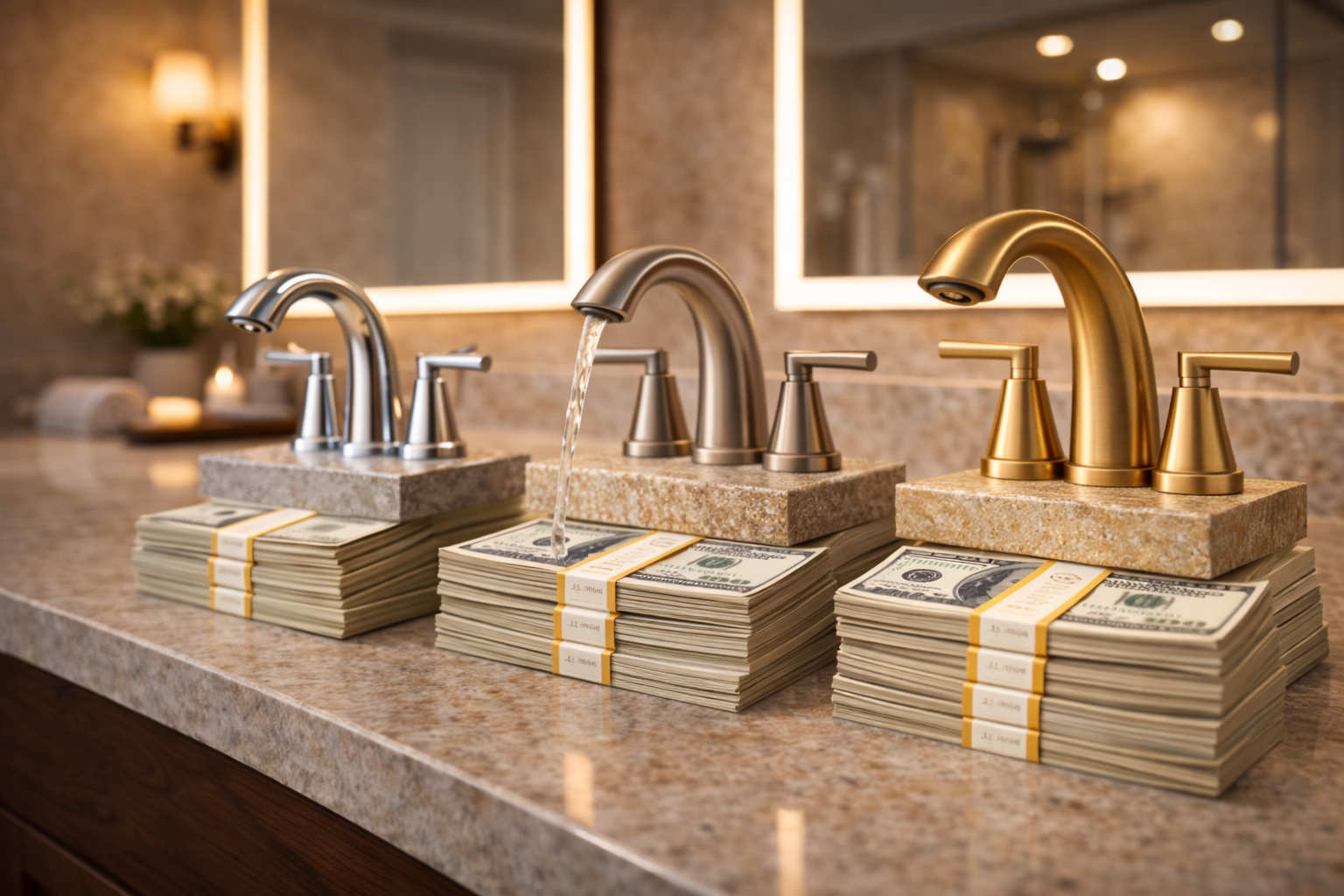
Bathroom faucet prices span wide ranges based on brand reputation, material quality, finish durability, and feature inclusion. Understanding cost drivers helps homeowners allocate budget appropriately between multiple fixtures and prioritize where quality matters most.
Price Tiers and What They Include
Budget faucets between fifty and one hundred fifty dollars typically use zinc alloy bodies, basic cartridges, and standard finishes. These serve short-term needs but may require earlier replacement. Mid-range options from one hundred fifty to four hundred dollars feature solid brass construction, ceramic disc cartridges, and premium finishes with better warranties. Luxury faucets exceeding four hundred dollars offer designer styling, advanced technology, exceptional finishing processes, and lifetime warranties.
Installation and Long-Term Costs
Professional installation adds one hundred to three hundred dollars depending on complexity and location. Factor this into total project costs when comparing DIY versus hired installation. Consider long-term expenses too. Cheap faucets requiring frequent repairs or early replacement often cost more over time than quality units installed once. Water-efficient models reduce utility bills, partially offsetting higher initial investment. Homeowners comparing performance goals can review Energy Saver ventilation guidance.
Common Bathroom Faucet Mistakes
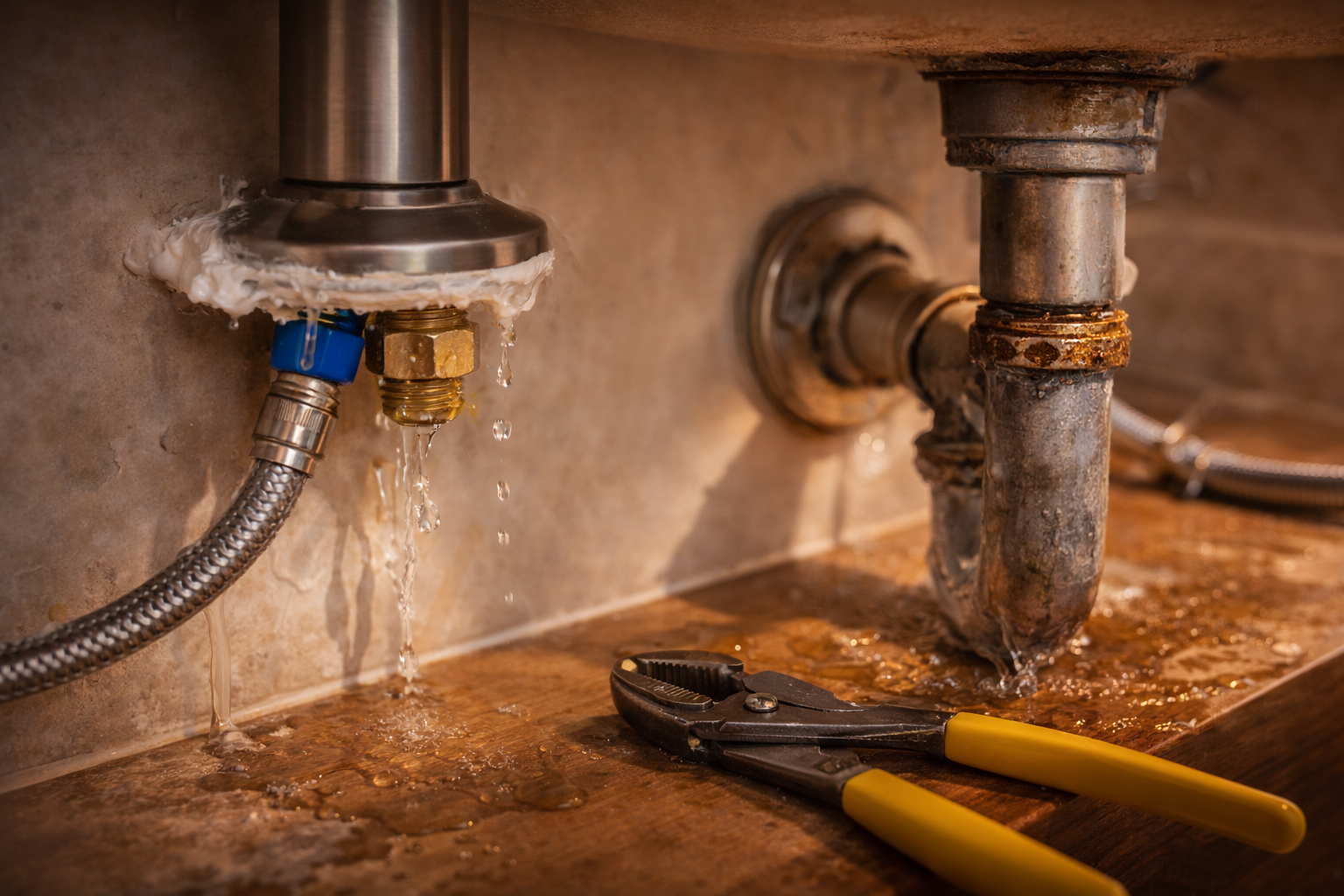
Faucet selection and installation errors create functional problems, aesthetic disappointment, and potential water damage. Avoiding common mistakes ensures satisfaction with both appearance and performance over the fixture’s lifespan.
Selection and Compatibility Errors
Choosing a faucet incompatible with your sink’s hole configuration forces expensive modifications or returns. Ignoring spout height and reach results in splashing or awkward hand positioning. Selecting finishes that clash with existing hardware creates visual discord. Overlooking water pressure requirements leads to disappointing flow from high-efficiency models in low-pressure homes.
Installation Mistakes
Overtightening mounting hardware cracks sinks and strips threads. Inadequate sealing allows water infiltration damaging cabinets and subfloors. Forgetting to flush supply lines before connection traps debris in new cartridges causing immediate malfunctions. Skipping leak testing leaves hidden drips causing mold and rot. Using incorrect tools scratches finishes and damages components.
Bathroom Faucet Planning Checklist
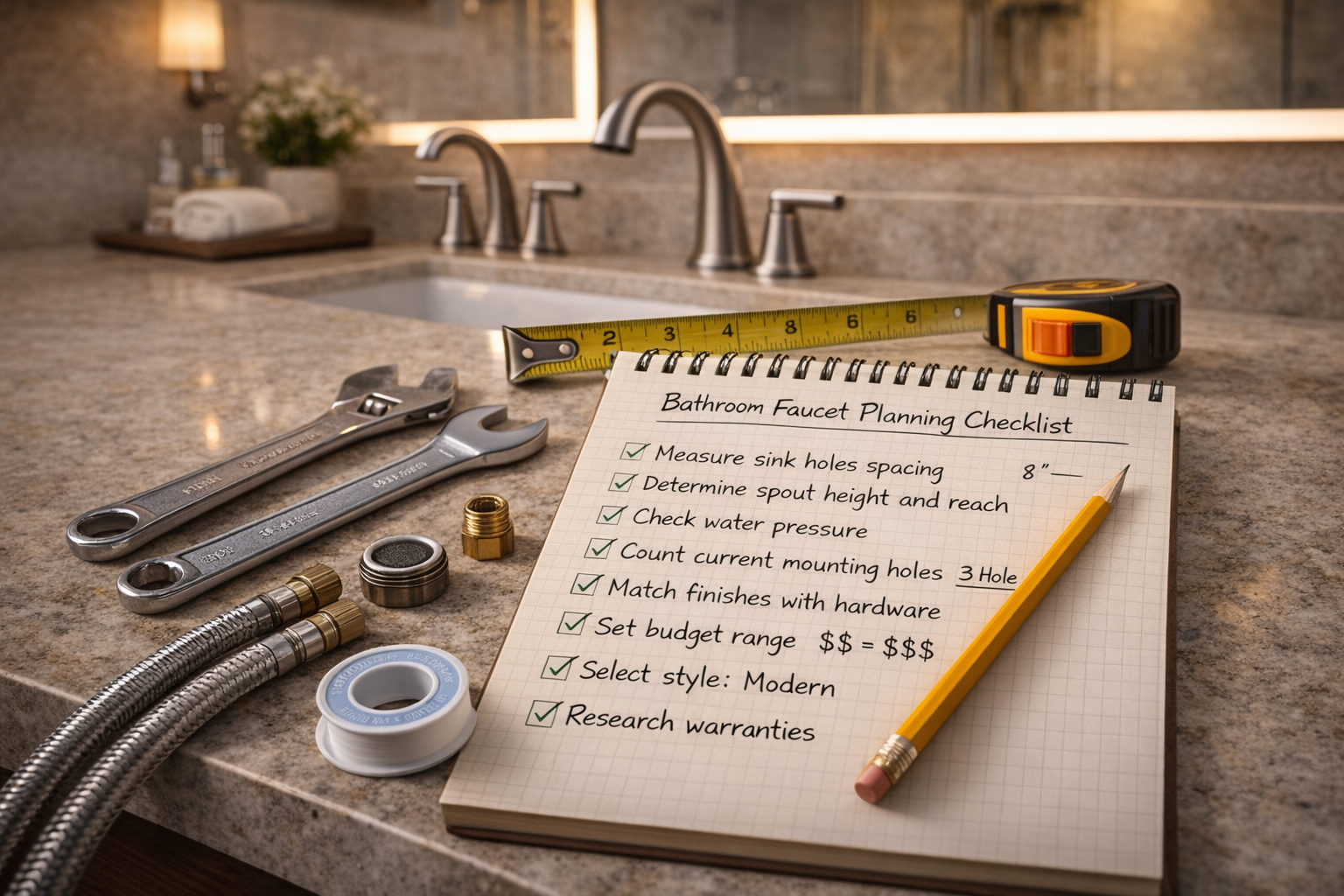
Thoughtful planning ensures your bathroom faucet selection meets functional needs, complements design vision, and fits budget constraints. Working through these considerations before purchasing prevents costly mistakes and disappointment.
Assess Your Sink and Space
Count existing mounting holes and measure spacing for compatible faucet selection. Determine required spout height based on sink depth and intended use. Evaluate water pressure to ensure adequate flow with water-efficient models. Consider who uses the bathroom and any accessibility needs affecting handle operation or reach requirements.
Coordinate Style and Budget
Identify finishes matching or intentionally contrasting with existing hardware. Choose a style supporting your bathroom’s overall design direction. Establish realistic budgets including faucet cost, installation expenses, and potential supply line or drain assembly replacements. Research brands offering appropriate warranty coverage and parts availability for long-term serviceability.
Frequently Asked Questions About Bathroom Faucets
Quality bathroom faucets last fifteen to twenty years or longer with proper maintenance. Solid brass construction and ceramic disc cartridges contribute to longevity. Cheaper zinc or plastic faucets may need replacement within five to ten years. Regular cleaning, prompt leak repair, and avoiding harsh chemicals extend faucet lifespan regardless of initial quality.
Replacing an existing faucet with the same configuration is a manageable DIY project for homeowners with basic tools and plumbing familiarity. The job requires adjustable wrenches, basin wrench, plumber’s putty, and approximately one hour. New installations, wall-mounted faucets, or configuration changes involve additional complexity that benefits from professional expertise to avoid damaging finishes or creating code violations.
Dripping usually stems from worn internal components. In compression faucets, deteriorated rubber washers fail to seal completely. Ceramic disc cartridges develop scratches or mineral buildup preventing tight closure. O-rings and seals around moving parts degrade over time. High water pressure accelerates wear. Sometimes simply cleaning mineral deposits from cartridges resolves minor dripping without full replacement.
Touchless faucets improve hygiene by eliminating handle contact, particularly valuable in shared or guest bathrooms. They reduce water waste by shutting off automatically when hands move away. However, they cost significantly more than manual faucets, require battery replacement or electrical connections, and occasionally activate unexpectedly. Evaluate whether convenience and hygiene benefits justify higher costs and complexity for your specific situation.
Select finishes coordinating with existing hardware throughout the bathroom for cohesive appearance. Chrome suits contemporary spaces and offers easiest maintenance. Brushed nickel provides warmth and hides water spots effectively. Matte black creates dramatic modern statements. Oil-rubbed bronze complements traditional designs. Consider lifestyle factors too, households with hard water may prefer brushed over polished finishes that show spotting more readily.
Centerset faucets mount spout and handles on a shared base plate covering three holes spaced four inches apart, suiting compact spaces. Widespread faucets feature independent components allowing flexible placement with eight to sixteen inches between handles, creating elegant customized appearance. Centerset units cost less and install more easily. Widespread configurations offer superior aesthetics and flexibility but require precise installation and more counter space.
Some faucets include matching supply lines while others require separate purchase. Check product specifications before buying to avoid mid-project store runs. Included lines may not suit every installation if lengths are insufficient or connector types mismatch existing shutoff valves. Quality-conscious buyers often prefer purchasing upgraded braided stainless supplies separately rather than using basic included lines.
Clean regularly with mild soap and water, drying with soft cloths to prevent water spots. Avoid abrasive cleaners, scrub pads, and harsh chemicals that damage finishes. Remove mineral deposits by soaking aerators in vinegar solution periodically. Address drips promptly to prevent component damage. Follow manufacturer recommendations for specific finish types, some specialty finishes require particular care products.
Weak flow often results from debris trapped in the aerator screen during installation. Unscrew and clean the aerator to restore normal flow. Some high-efficiency faucets intentionally restrict flow to meet WaterSense standards, feeling different than older unrestricted fixtures. Check shutoff valves are fully open. Low home water pressure affects all fixtures and may require professional evaluation if consistently problematic.
Changing finishes without replacement is generally impractical. Painting or plating existing faucets produces poor results that deteriorate quickly with moisture exposure. Some manufacturers offer replacement handle sets in alternate finishes for certain models, though this rarely achieves complete transformation. For genuine finish changes, replacement remains the reliable solution ensuring lasting appearance and warranty coverage.