

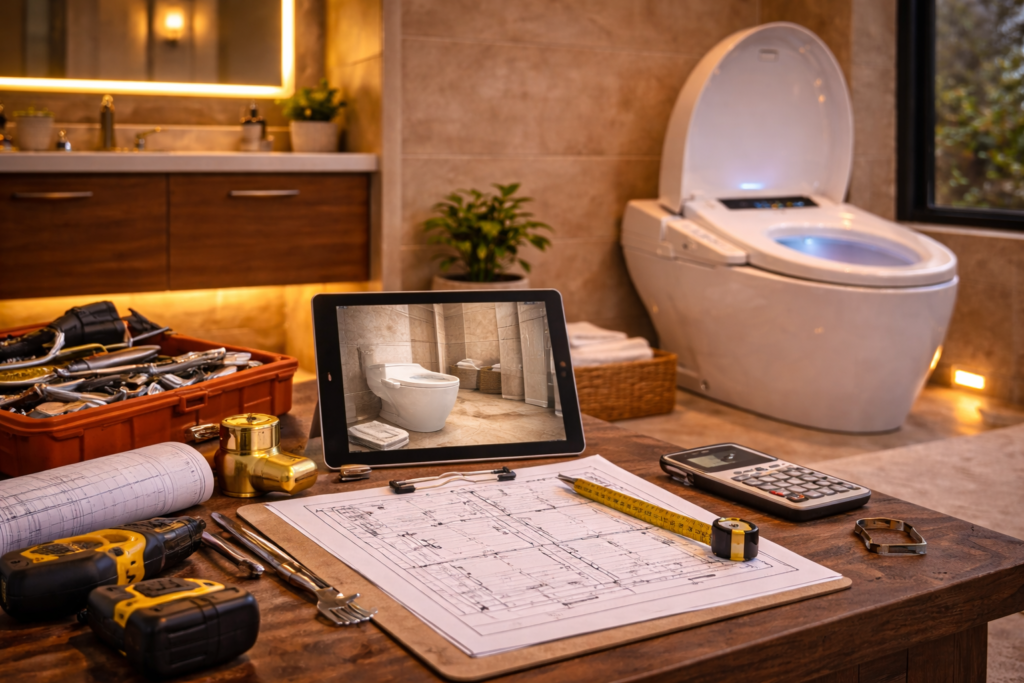
Smart Toilet Guide: Features, Installation, Costs, and Planning
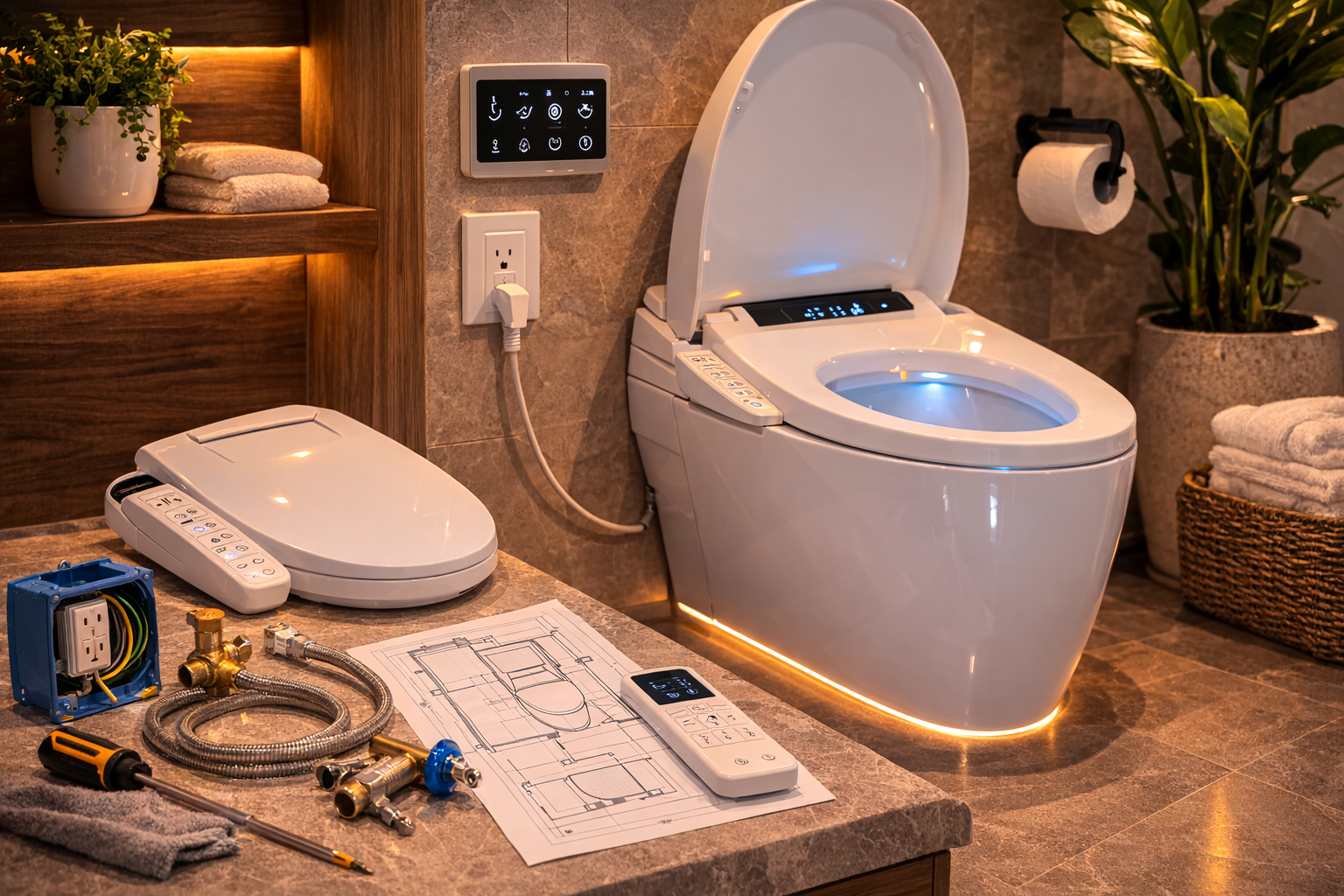
Smart Toilet Guide Index
- Smart Toilet Overview
- When Does a Smart Toilet Make Sense
- What Types of Smart Toilets Are Common
- How Do Layout and Room Size Affect a Smart Toilet
- What Components Are Used in a Smart Toilet Installation
- What Upgrades Can Be Added With a Smart Toilet
- What Installation Details Matter With a Smart Toilet
- What Affects Smart Toilet Cost
- What Mistakes Should Homeowners Avoid With a Smart Toilet
- How Should You Plan a Smart Toilet
- Related Smart Toilet Topics
- Frequently Asked Questions About Smart Toilets
Smart Toilet Overview
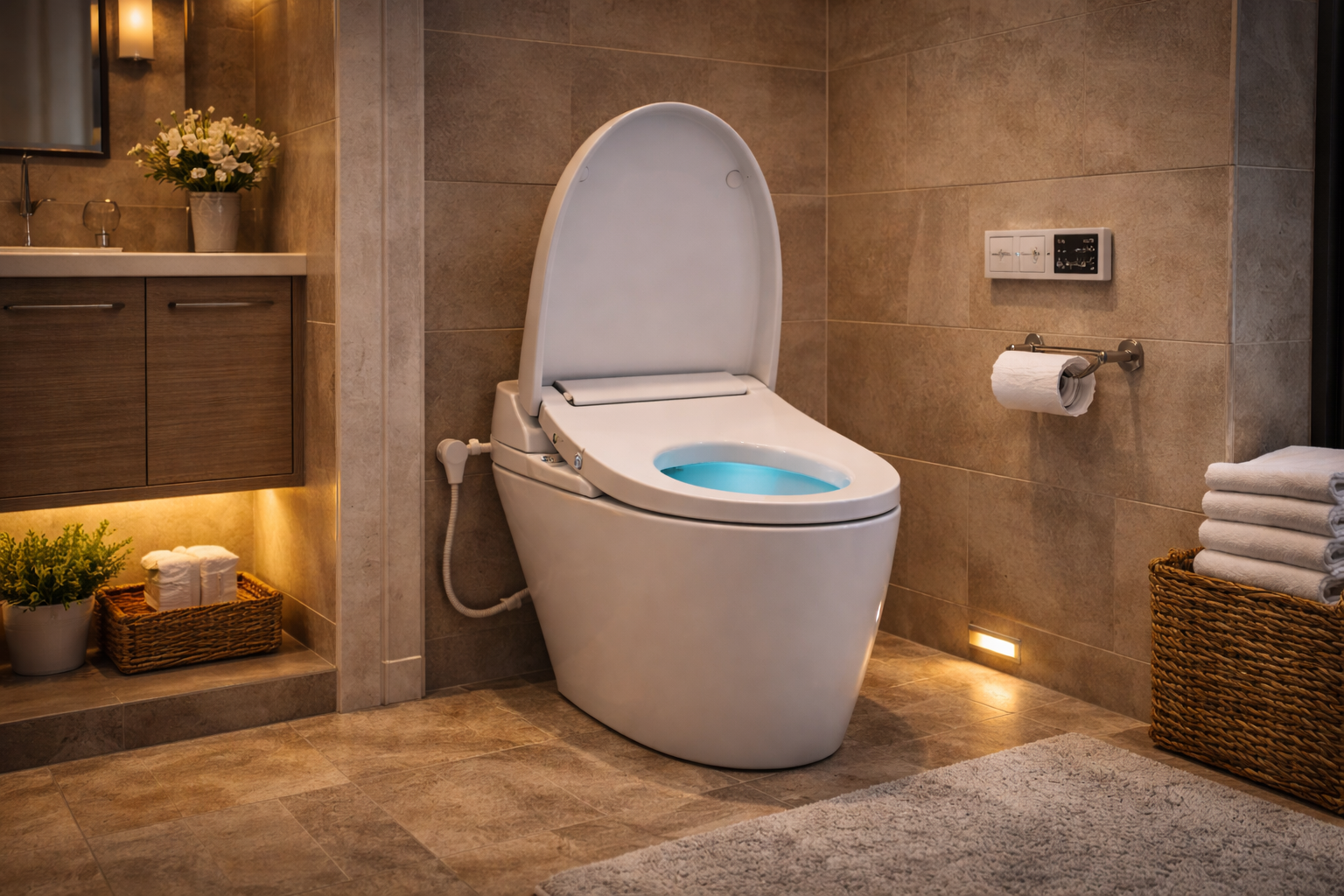
A smart toilet combines standard toilet function with added features such as bidet washing, heated seating, automatic flushing, night lights, dryer functions, and digital controls. In practical remodel work, installing a smart toilet usually means thinking about power supply, outlet location, water line compatibility, seat or bowl dimensions, and whether the surrounding bathroom layout makes those features easy to use. A smart toilet is not just a style upgrade. It is also a plumbing and electrical planning decision.
What Gets Updated During a Smart Toilet Project
The work may include the toilet itself, the shutoff valve and supply line, seat or integrated control system, nearby electrical outlet where needed, flange condition, and the space around the toilet for easier access to the added features. In some remodels, the floor, trim, and wall details near the toilet are also refreshed so the upgraded fixture fits the rest of the bathroom.
What Is the Difference Between a Smart Toilet and a Standard Toilet
A standard toilet focuses on flushing and basic daily use. A smart toilet adds comfort and technology features such as washing functions, heated seating, automatic controls, or integrated bidet systems. That difference changes not only the user experience but also the installation requirements and long-term maintenance considerations.
When Does a Smart Toilet Make Sense
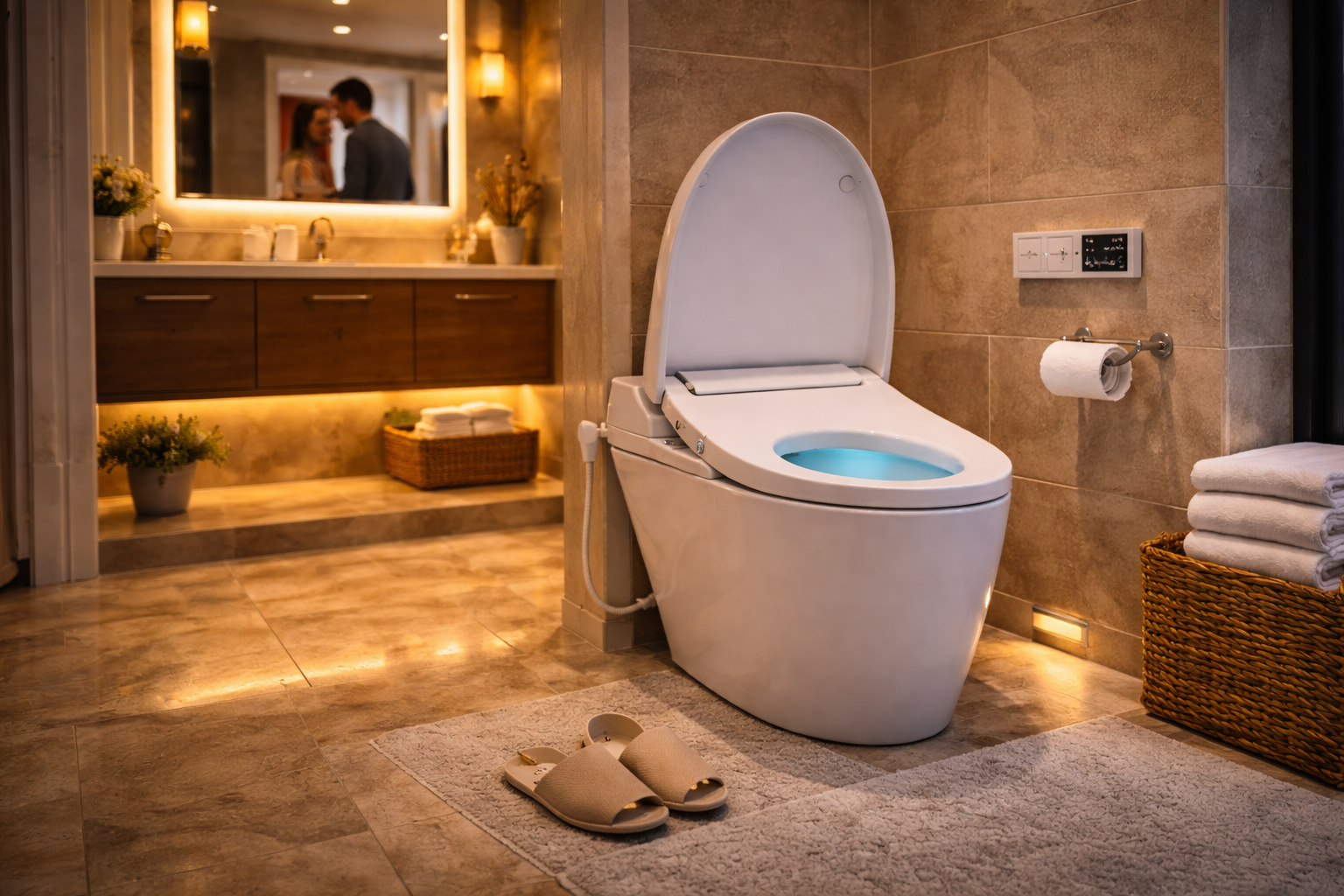
A smart toilet makes sense when the homeowner wants better comfort, added hygiene features, or a more advanced bathroom experience and the room can support the needed electrical and plumbing setup. It is most common in higher-end remodels and in bathrooms where the user will actually take advantage of the added features instead of ignoring them. In many projects, bathroom remodeling becomes an important part of how the bathroom functions day to day.
What Bathroom Conditions Usually Point to a Smart Toilet
Common conditions include a remodel that already involves electrical upgrades near the toilet, a desire for bidet-style cleaning, comfort-focused upgrades, and a bathroom design that supports a more premium fixture package. A smart toilet also makes more sense when the user values heated seating, automatic features, or easier everyday use.
When Is a Smart Toilet Not the Best Choice
A smart toilet may not be the best choice when the budget is limited, when the extra features are unlikely to be used, or when the bathroom lacks convenient electrical access and the added work is not justified. In some bathrooms, a simpler toilet with a separate bidet seat may be the more practical upgrade.
What Types of Smart Toilets Are Common
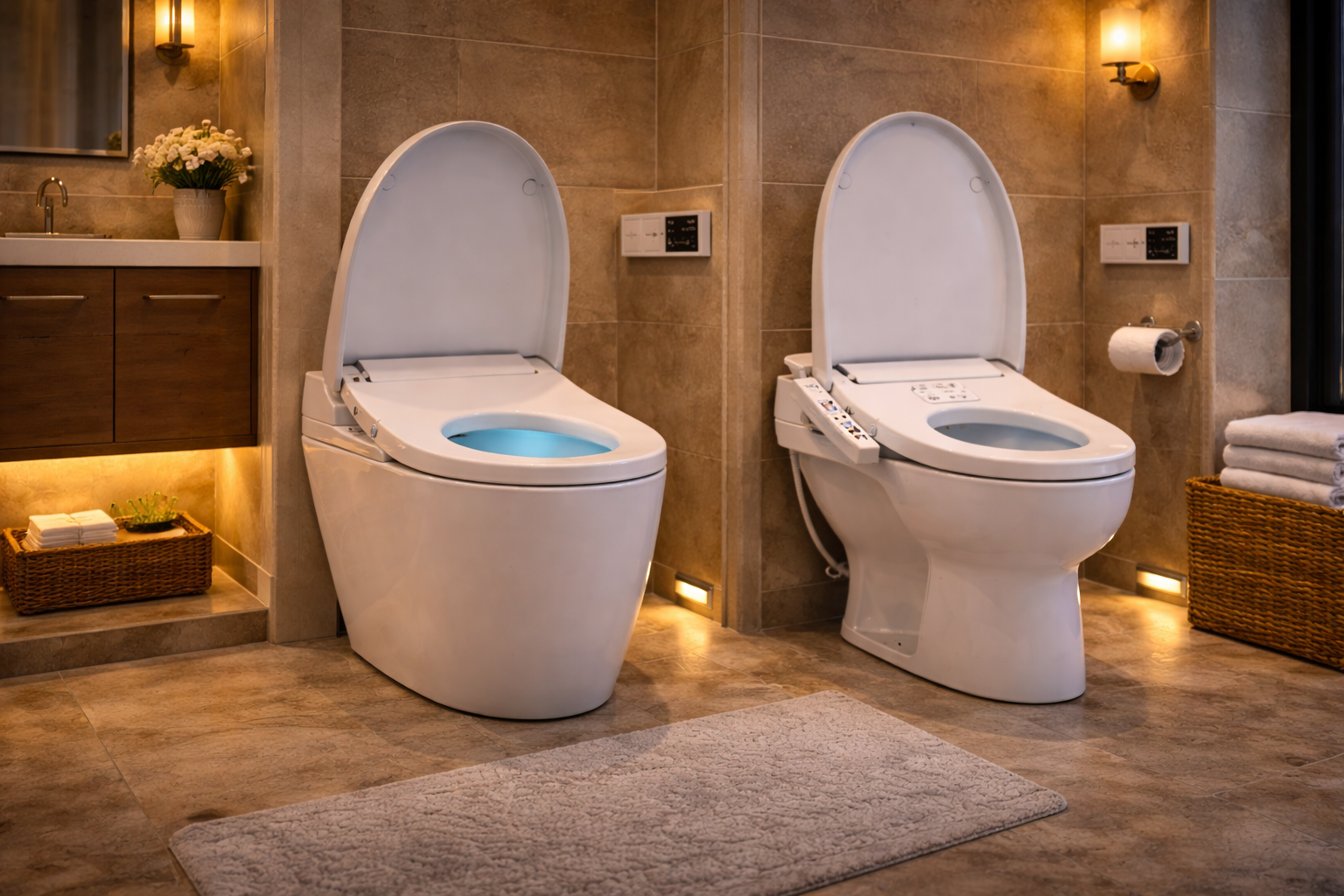
Common smart toilet types include integrated smart toilets, standard toilets with smart bidet seats, touchless flush models, heated-seat bidet toilets, and premium one-piece toilets with built-in control systems. The right type depends on budget, desired features, installation conditions, and how much of the existing toilet setup is being changed.
What Smart Toilet Styles Are Most Common in Remodeling Projects
Bidet-seat upgrades and integrated one-piece smart toilets are common because they give homeowners two clear paths. One path upgrades a standard toilet with a smarter seat. The other path replaces the entire toilet with a fully integrated unit. The better path depends on the remodel scope and the level of features wanted.
When Does One Smart Toilet Type Make More Sense Than Another
A bidet-seat upgrade may make more sense when the homeowner wants smart features without replacing the entire toilet system. A fully integrated smart toilet may make more sense when the remodel is already updating the whole toilet area and the goal is a cleaner, more advanced finished look.
How Do Layout and Room Size Affect a Smart Toilet
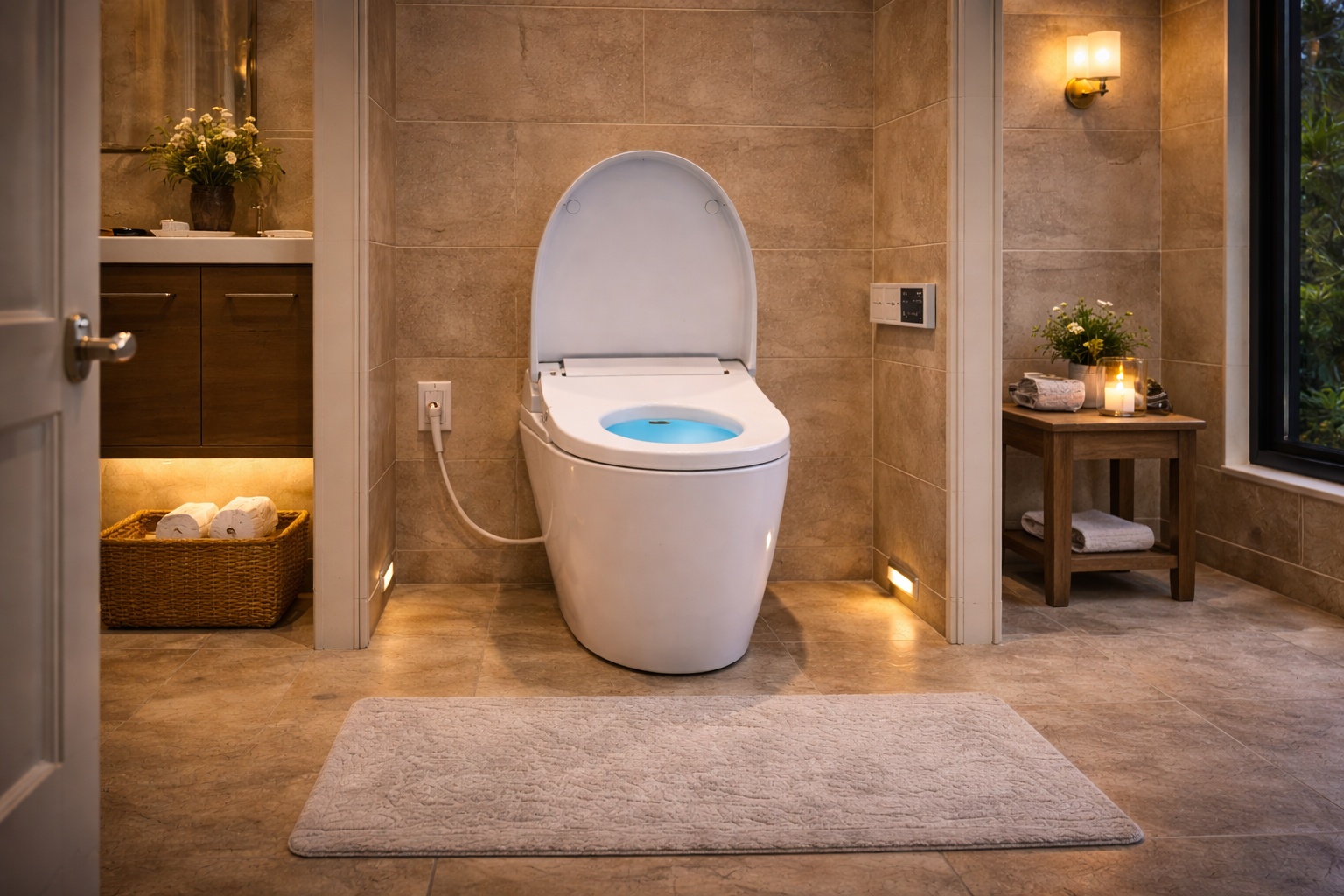
Layout and room size affect whether the smart toilet fits comfortably, whether the user can reach the controls easily, and whether the electrical and plumbing connections can be installed cleanly. A smart toilet often needs more planning around side clearance and outlet position than a basic toilet replacement. For layout and clearance planning, many designers reference NKBA planning guidelines.
Why Do Clearance and Control Access Matter So Much
The added features only help if the toilet can be used comfortably. Side clearance, seat height, lid movement, and control access all matter because the toilet is doing more than flushing. A cramped installation can make the features harder to use and service.
How Does Bathroom Size Change the Best Smart Toilet Strategy
In a smaller bathroom, the best smart toilet strategy may be a compact toilet with a bidet seat that adds function without making the area feel crowded. In a larger bathroom, the remodel may support a more integrated unit with cleaner side access and more comfortable spacing around the fixture.
What Components Are Used in a Smart Toilet Installation
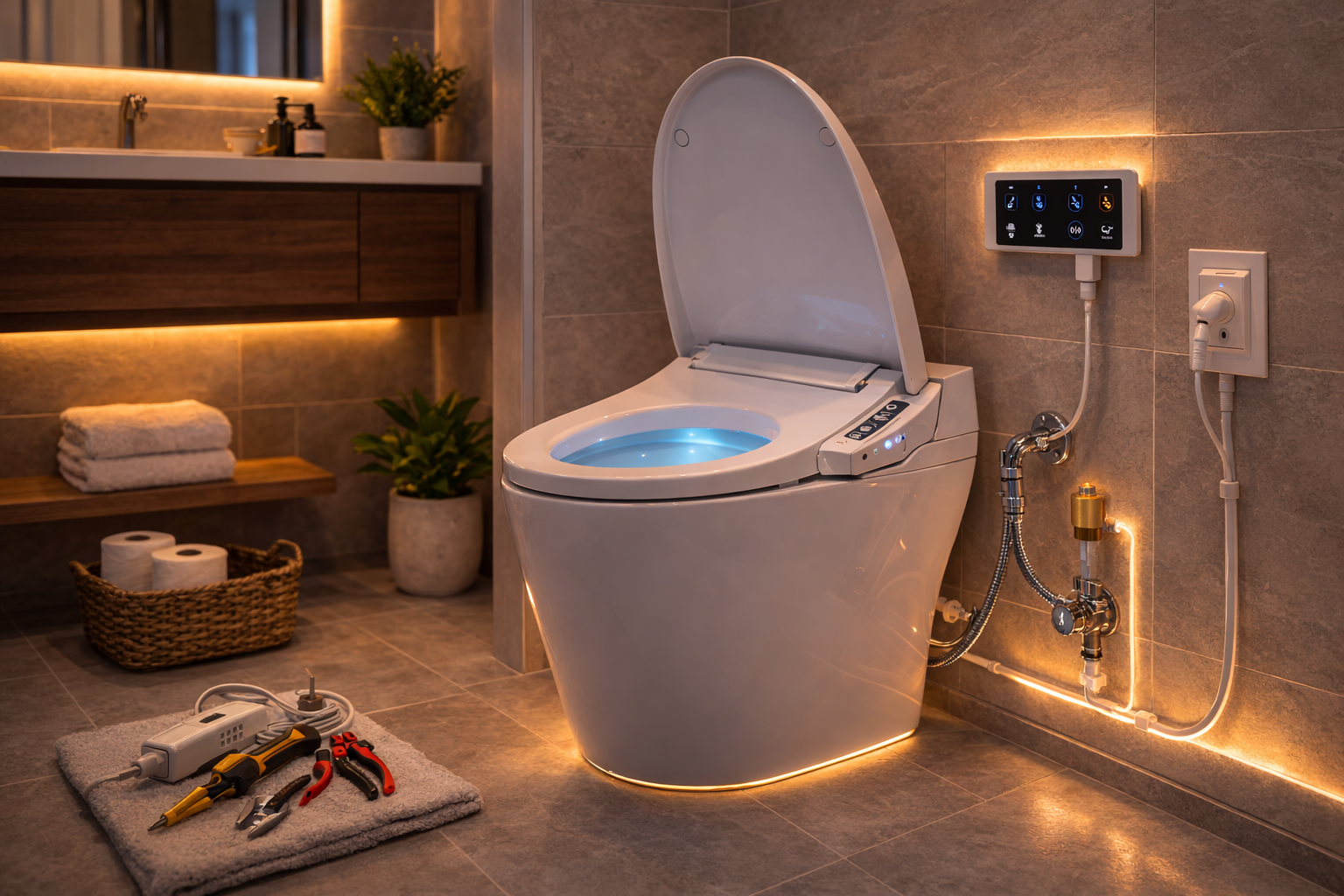
A smart toilet installation uses more than the toilet bowl alone. The project may involve the toilet fixture, smart seat or integrated control system, electrical outlet, supply line, shutoff valve, flange condition, and in some cases remote control or wall-mounted control components. The visible toilet is only one part of the overall system.
What Plumbing and Electrical Components Are Common
Common components include the toilet fixture, supply line, shutoff valve, flange, dedicated or nearby electrical outlet, power cord routing, and either built-in or add-on control systems. The outlet location is especially important because smart toilet features often depend on a safe and practical power connection.
What Feature Components Usually Matter Most
Heated seats, washing nozzles, dryers, automatic flush systems, control panels, night lights, and lid sensors are some of the most visible smart toilet features. The most useful components depend on what the user actually wants from the upgrade and how often those features will be used.
What Upgrades Can Be Added With a Smart Toilet
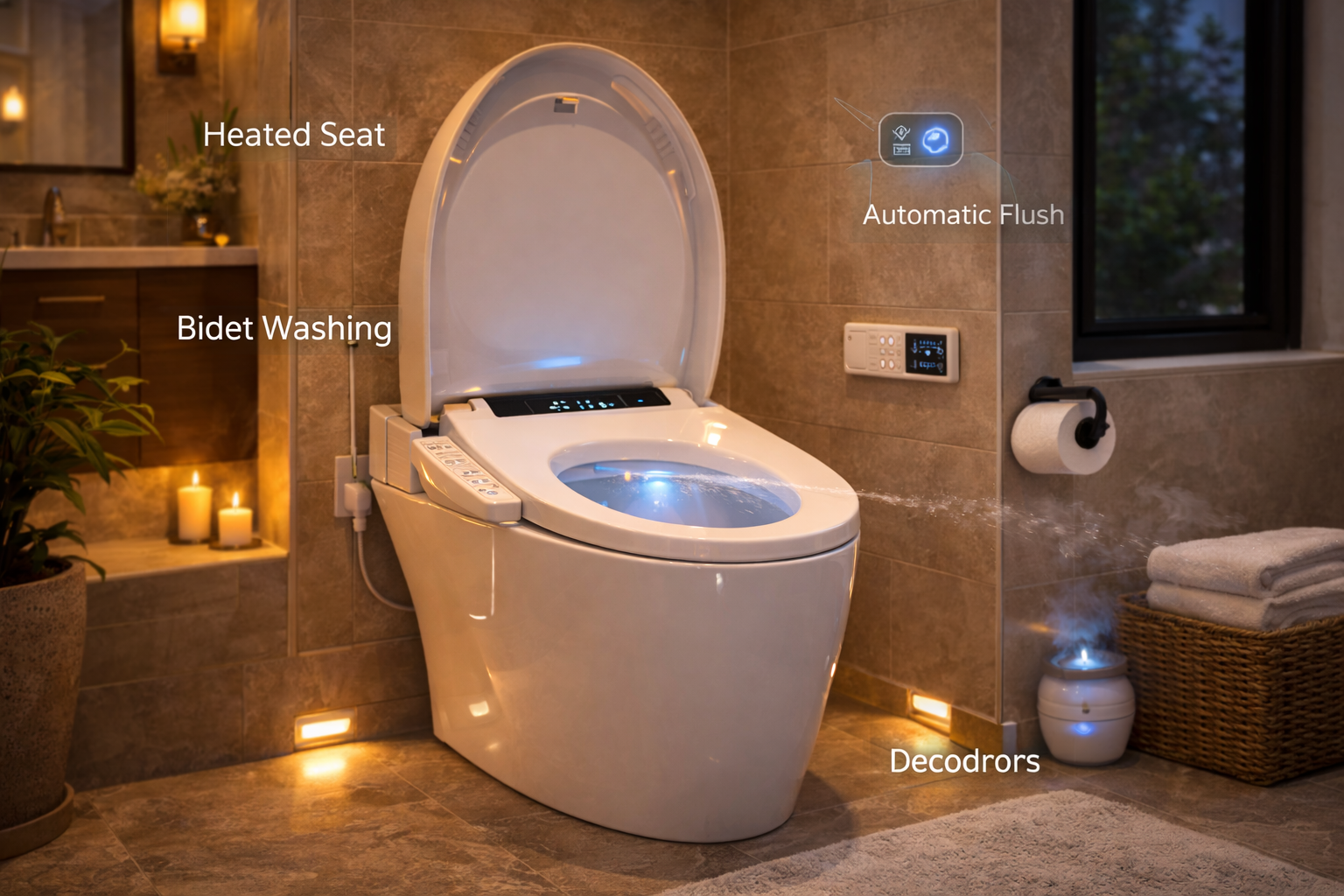
Smart toilet work is often the best time to add upgrades that improve hygiene, comfort, and convenience together. Common upgrades include heated seats, bidet washing, warm air drying, automatic flushing, motion-sensing lids, deodorizing features, and cleaner wall or floor finishes around the fixture.
What Functional Upgrades Are Most Useful With a Smart Toilet
Functional upgrades often include reliable bidet features, heated seating, simple user controls, and a practical power setup that does not leave cords or connections awkwardly exposed. These upgrades matter because a smart toilet should feel easier and more comfortable to use, not more complicated.
What Comfort and Design Upgrades Usually Happen at the Same Time
Smart toilet projects often include updated flooring, cleaner trim details, new shutoff hardware, and a more refined toilet area overall so the advanced fixture feels consistent with the rest of the remodel. Once the toilet is being upgraded at a higher level, the surrounding details usually need to keep up.
What Installation Details Matter With a Smart Toilet
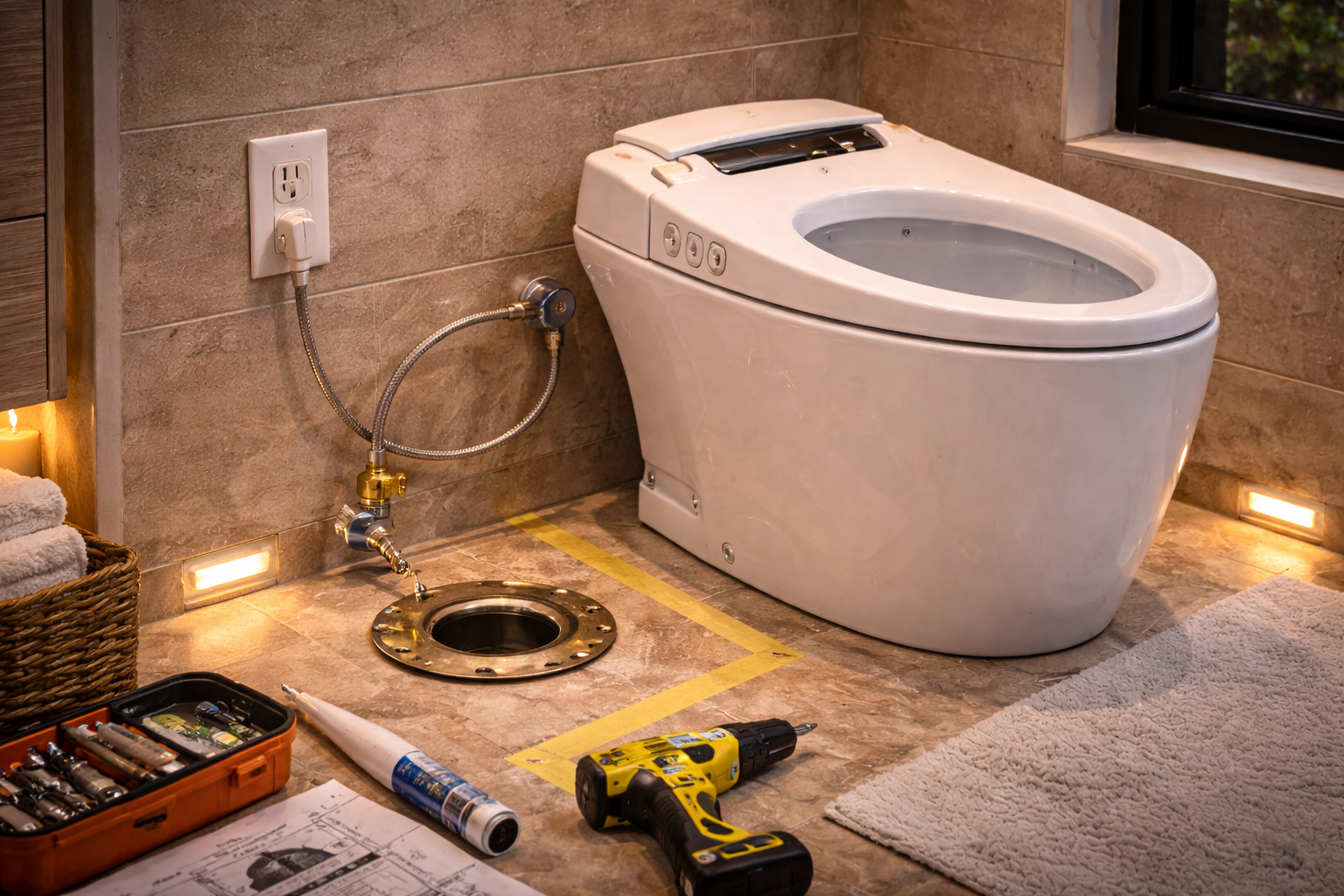
Smart toilet installation depends on flange condition, water supply position, outlet location, fixture clearance, and how the seat or controls fit the users access pattern. A smart toilet adds more parts and more planning than a standard toilet install, so the small setup details matter more. For a closer look at this part of the project, homeowners can explore toilet remodel.
Why Do Outlet Location and Water Connection Matter So Much
The toilet has to connect to both water and power in a way that feels clean, safe, and easy to maintain. If the outlet is in the wrong spot or the water connection is awkward, the finished installation can feel improvised even if the toilet itself is high quality.
What Fit and Access Problems Show Up During Installation
Common issues include poor outlet placement, inadequate side clearance for controls, supply lines that do not line up well, and floor or flange conditions that were never corrected before the old toilet came out. These practical issues can affect whether the smart toilet feels like a true upgrade.
What Affects Smart Toilet Cost
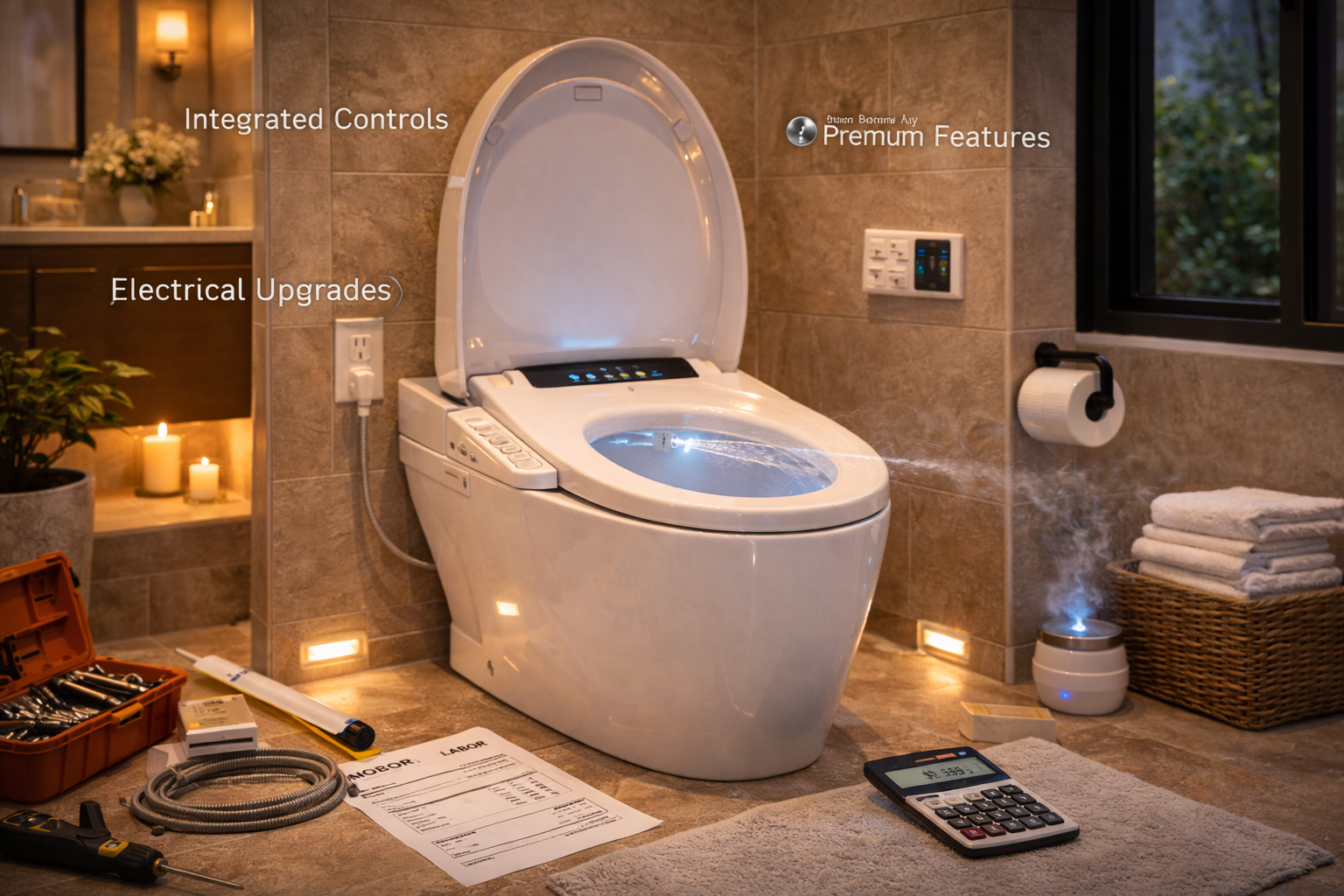
Smart toilet cost usually depends on the type of toilet, the feature package, the need for electrical work, the condition of the existing toilet setup, and whether the project includes surrounding finish improvements. A smart toilet often costs more than a standard toilet because the product and the installation are both more involved. Material selection can also be informed by EPA greener products guidance.
Which Smart Toilet Choices Usually Raise the Cost
Costs usually rise with fully integrated units, advanced wash and dry features, automatic lids and flushing, remote controls, heated seating, and any electrical work needed to support the installation properly. The more integrated and feature-rich the system becomes, the more the cost usually climbs.
How Do Labor and Existing Conditions Change the Budget
Labor costs go up when the bathroom needs a new outlet, when the flange or shutoff valve needs correction, or when the surrounding floor and wall details are being upgraded at the same time. Existing conditions matter because many standard toilet setups were never built with smart features in mind.
What Mistakes Should Homeowners Avoid With a Smart Toilet
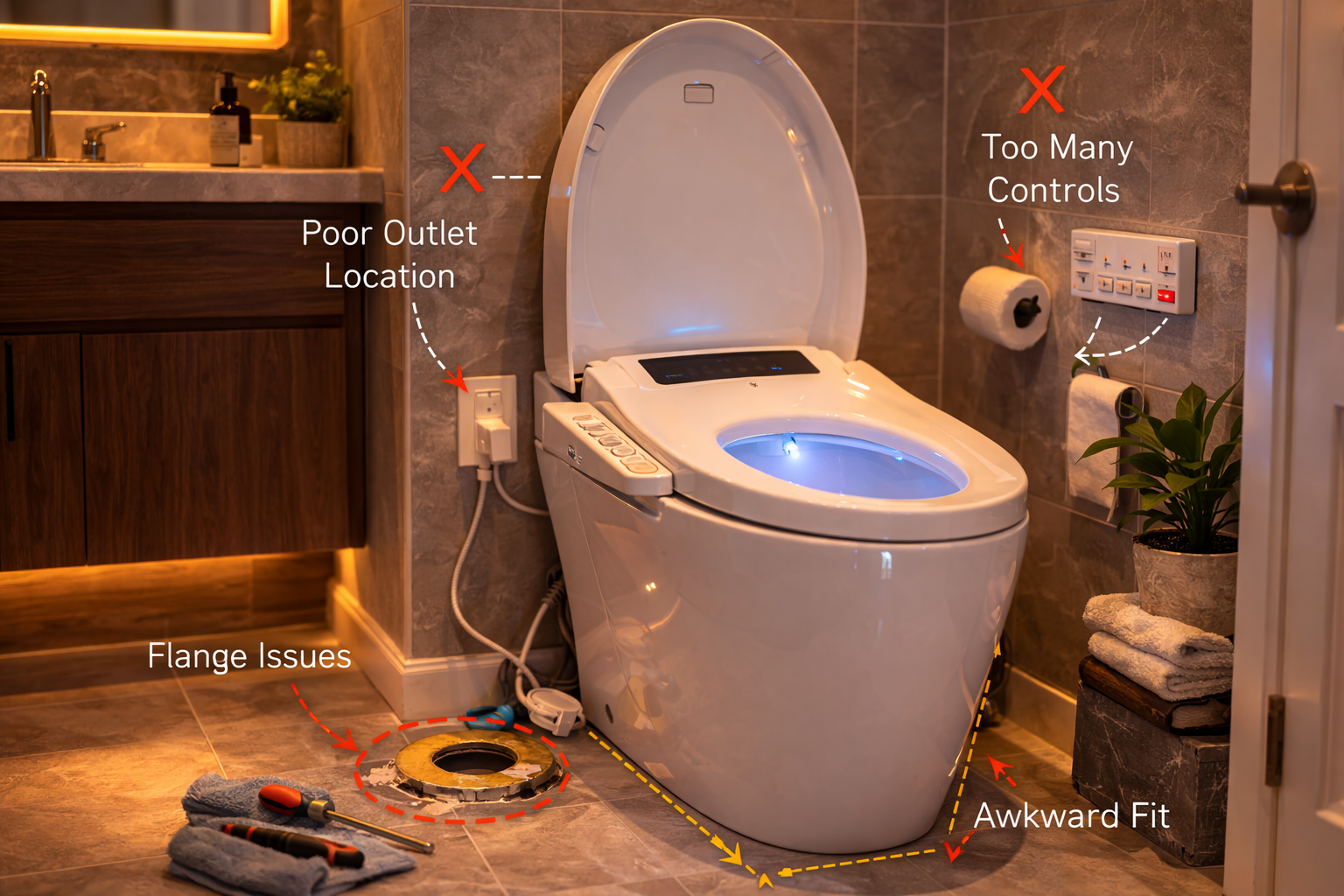
The biggest smart toilet mistakes usually happen when the feature list is chosen before checking whether the bathroom can support the fixture properly and whether the user actually wants those features. A smart toilet should make the bathroom better to use, not just more expensive or more complicated.
Why Is It a Problem to Choose Features Without Thinking About Daily Use
Some users want a simple warm seat and wash feature, while others may never use half the functions in a premium smart toilet. If the feature package does not match the actual user, the remodel can spend money on technology that adds little daily value.
Why Is It Risky to Ignore the Installation Conditions
Smart toilets depend on good flange condition, proper water supply, and practical electrical access. If those conditions are ignored, the final result may work poorly or look unfinished even with a premium fixture in place.
How Should You Plan a Smart Toilet
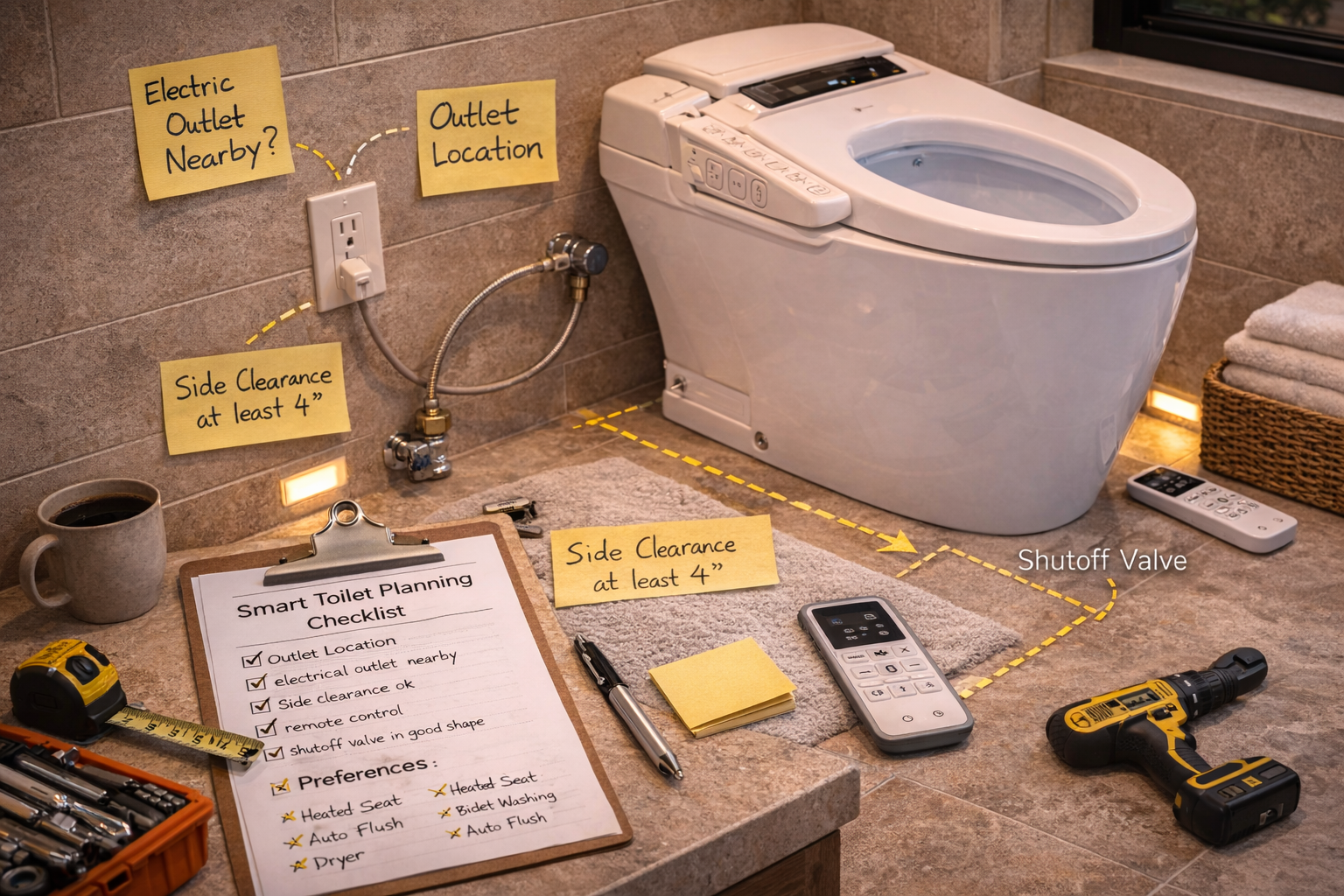
A smart toilet should be planned by deciding which features actually matter, checking the bathroom for outlet access and clearance, and matching the product to the users real habits and comfort preferences. The best plan balances function, installation conditions, and budget instead of treating the smart toilet as a novelty item. For layout and clearance planning, many designers reference NKBA planning guidelines.
What Should Be Decided Before Smart Toilet Work Starts
Before construction starts, it helps to confirm whether the project needs a full smart toilet or a smart seat, where the outlet will go, how much side clearance is available, which features matter most, and whether the existing shutoff and flange are good enough to support the new installation cleanly.
How Can a Homeowner Prepare for the Installation Process
Homeowners should be ready for possible outlet work, toilet removal, flange and valve inspection, and the setup of controls or remote features after installation. Smart toilet projects usually go best when the room is checked for both plumbing and power needs before the new fixture is ordered.
Related Smart Toilet Topics
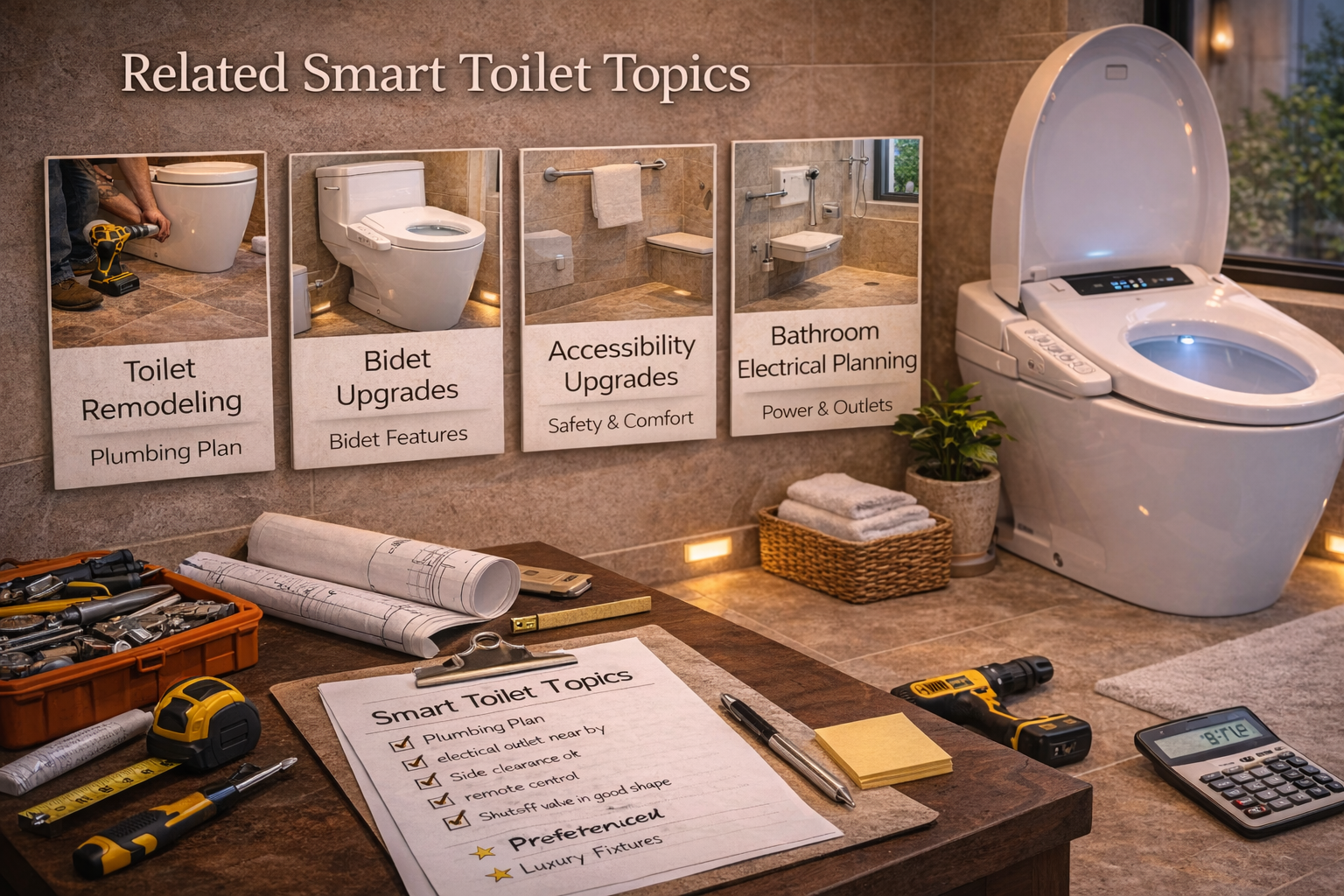
Smart toilet projects overlap with toilet remodeling, bidet upgrades, accessibility planning, bathroom electrical planning, and full bathroom remodeling because the fixture affects both plumbing and the user experience of the room. Related topics help homeowners compare whether a smart toilet is the right level of upgrade for the bathroom.
Which Smart Toilet-Related Pages Should Connect to This Topic
Strong related pages include toilet remodels, bidet seat upgrades, accessibility upgrades, bathroom electrical planning, and premium bathroom fixture upgrades. Those topics help break down the comfort, plumbing, and installation choices that shape whether a smart toilet is the right fit.
Which Bathroom Remodeling Topics Often Connect to Smart Toilet Work
Smart toilet work often connects to flooring, layout changes, toilet replacement, accessibility improvements, and full bathroom remodeling. In practical remodels, these pieces overlap because the toilet area is being upgraded both technically and functionally.
Frequently Asked Questions About Smart Toilet
A smart toilet is a toilet with added features such as bidet washing, heated seating, automatic flushing, and electronic controls.
They can be worth it when the user will actually benefit from the comfort and hygiene features enough to justify the added cost and setup.
Most smart toilets or smart toilet seats need electrical power for the heated seat, wash features, dryer, or control system.
Sometimes, yes. It depends on the toilet shape, fit, and whether the bathroom can provide the needed power and water connections.
A smart toilet is usually a more integrated fixture, while a bidet seat adds some smart features to an existing toilet base.
They can be, especially when the bathroom needs electrical work or when the fixture layout has to change to support the new toilet properly.
Yes. Some smart toilets improve comfort and ease of use with features such as heated seating, easier cleaning, and more controlled operation.
The timeline depends on whether the installation is a simple replacement or whether electrical and surrounding fixture updates are needed too.
They can add appeal in the right bathroom, especially when they fit the quality level and expectations of the overall remodel.
The first step is deciding which features matter most and checking whether the bathroom can support the needed power, plumbing, and clearance.