

Jetted Bathtub Guide: Features, Installation, Costs, and Planning

Jetted Bathtub Guide Index
- Jetted Bathtub Overview
- When Does a Jetted Bathtub Make Sense
- What Types of Jetted Bathtubs Are Common
- How Do Layout and Room Size Affect a Jetted Bathtub
- What Materials and Components Are Used With a Jetted Bathtub
- What Upgrades Can Be Added With a Jetted Bathtub
- What Installation Details Matter With a Jetted Bathtub
- What Affects Jetted Bathtub Cost
- What Mistakes Should Homeowners Avoid With a Jetted Bathtub
- How Should You Plan a Jetted Bathtub
- Related Jetted Bathtub Topics
- Frequently Asked Questions About Jetted Bathtubs
Jetted Bathtub Overview
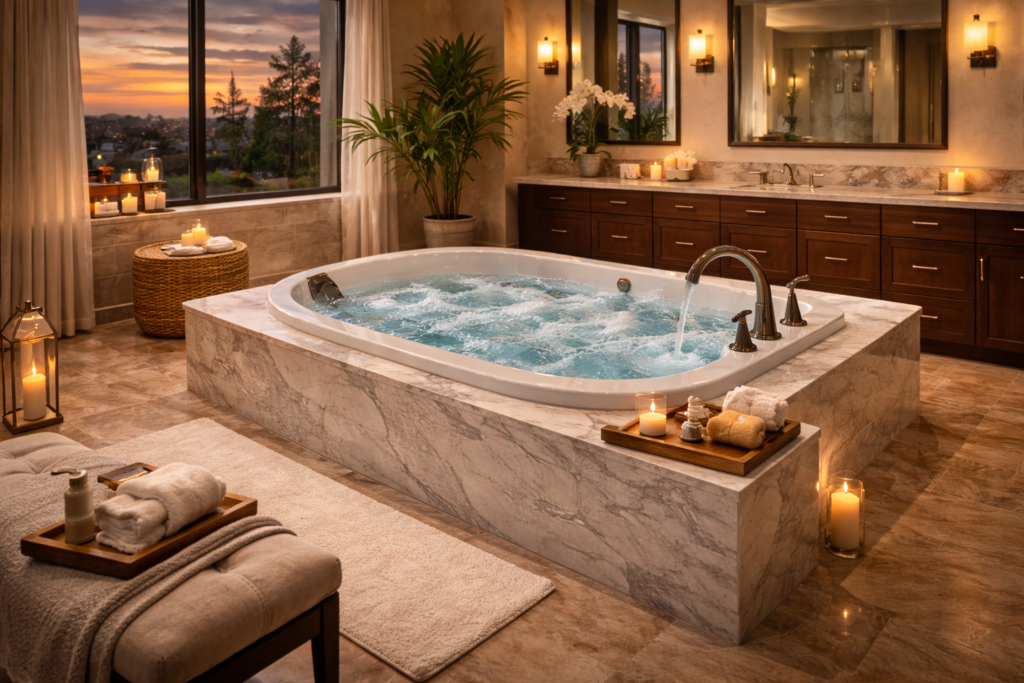
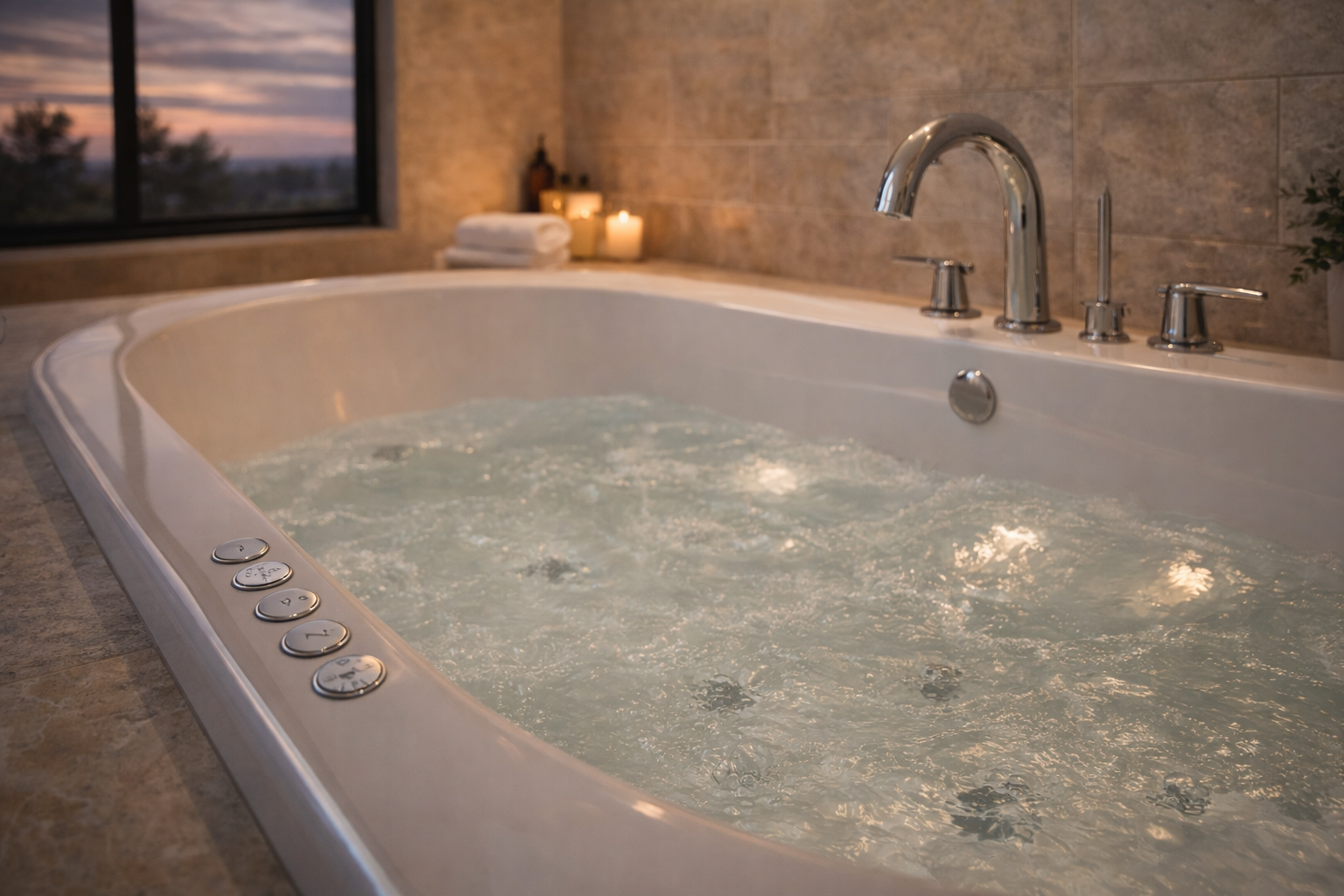
A jetted bathtub is a tub that uses built-in jets to circulate water and create a massage-style soaking experience. In practical remodel work, adding a jetted tub means planning not only the tub itself but also the power requirements, access for servicing the equipment, plumbing layout, and the amount of space the tub takes in the room. Jetted bathtubs are more involved than a standard soaking tub because they add mechanical components that have to be installed and maintained correctly.
What Gets Updated During a Jetted Bathtub Project
The work may include the bathtub shell, jet system, pump or motor access, drain and overflow, filler or faucet trim, electrical connection, nearby wall finishes, and floor or deck work depending on the tub style. In some remodels, the project also changes the layout around the tub because jetted tubs often need more space and support than a standard tub.
What Is the Difference Between a Jetted Tub and a Standard Soaking Tub
A standard soaking tub depends only on the tub shape and water depth for comfort. A jetted tub adds circulating water through built-in jets and supporting mechanical components. That extra system changes the installation, maintenance, noise level, and planning requirements of the remodel.
When Does a Jetted Bathtub Make Sense
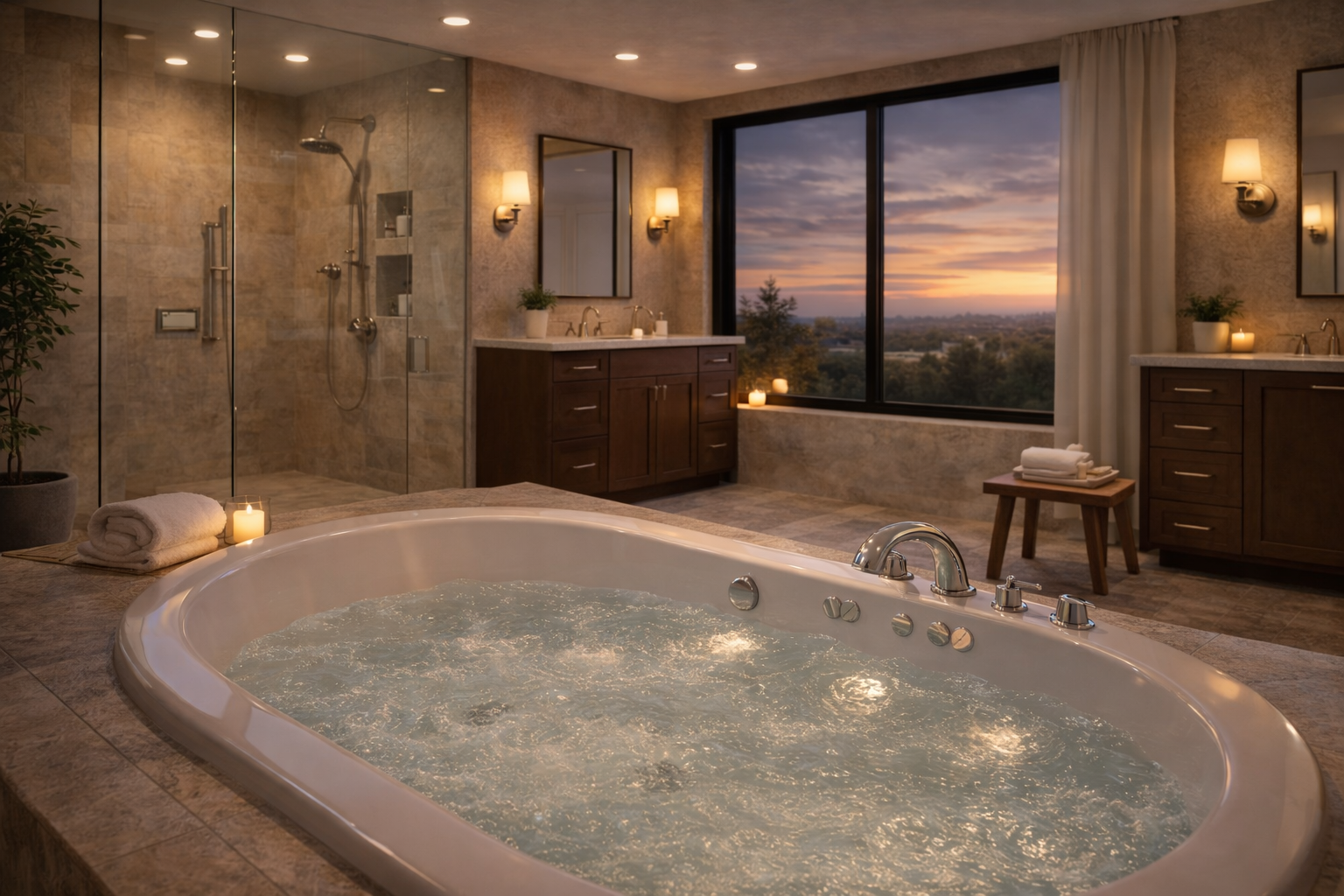
A jetted bathtub makes sense when the homeowner actually wants a therapeutic or spa-style soaking experience and the bathroom has enough room to support the larger tub and related mechanical needs. It is most common in primary bathrooms where the tub is intended to be used regularly rather than just installed as a decorative feature. Homeowners who want to dig deeper into this feature can review bathroom remodeling.
What Bathroom Conditions Usually Point to a Jetted Tub
Common conditions include a larger primary bathroom, enough room for a larger tub body or deck surround, and a remodel that already supports electrical and plumbing upgrades in the bathing area. A jetted tub also makes more sense when the bathroom is being designed around comfort features rather than basic space-saving.
When Is a Jetted Bathtub Not the Best Choice
A jetted tub is usually not the best choice when the household rarely takes baths, when maintenance simplicity is a priority, or when the bathroom does not have enough space to support the tub without hurting the rest of the layout. In some remodels, a standard soaking tub gives a better balance of comfort, cost, and upkeep.
What Types of Jetted Bathtubs Are Common
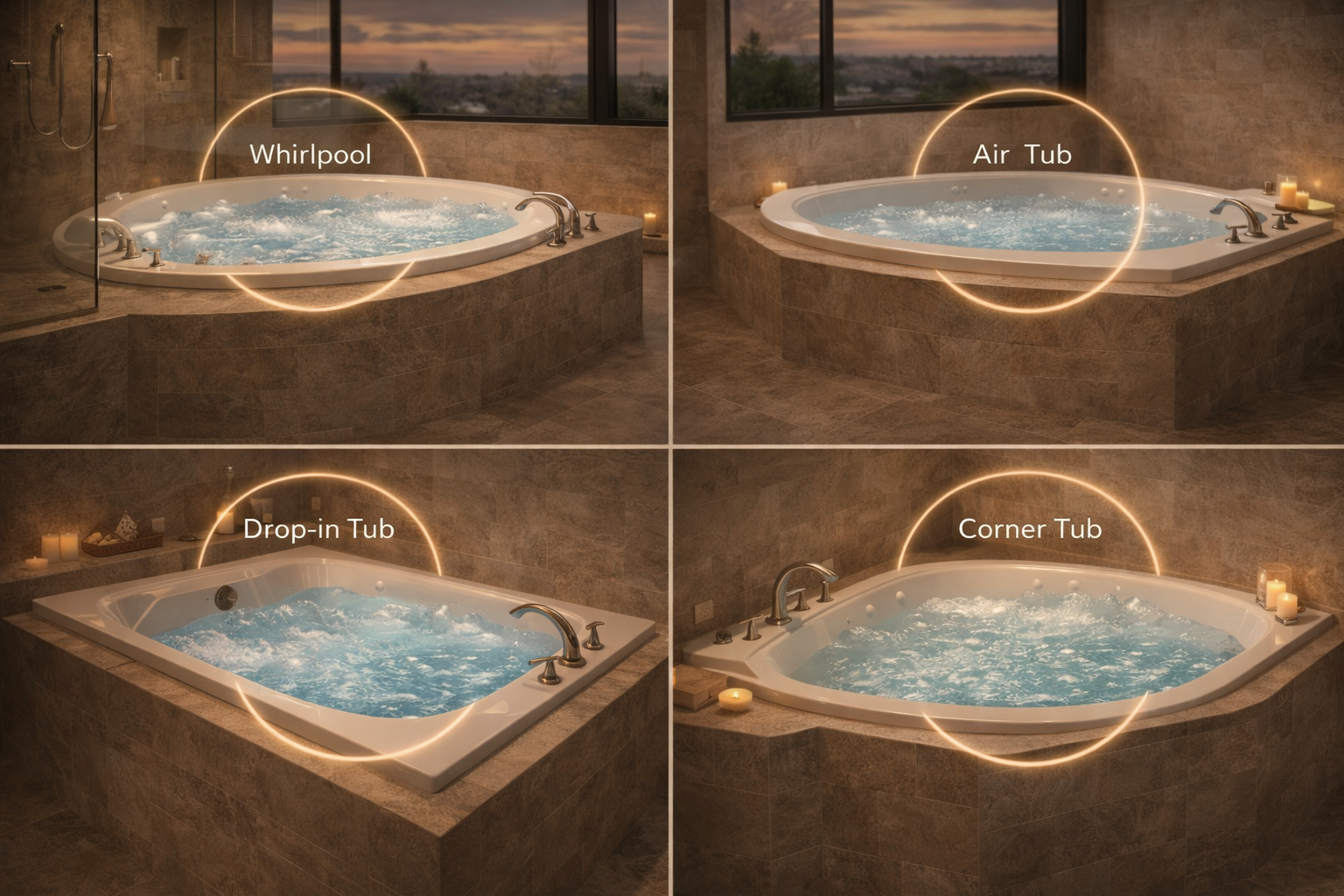
Common jetted bathtub types include whirlpool tubs, air tubs, combination air-and-water jet tubs, drop-in jetted tubs, alcove jetted tubs, and corner jetted tubs. The right type depends on available space, cleaning expectations, desired jet experience, and the design direction of the bathroom.
What Jetted Bathtub Styles Are Most Common in Remodeling Projects
Drop-in and deck-mounted jetted tubs are common because they allow easier integration of the motor system and can be designed into larger bathroom layouts. Corner jetted tubs were popular in some older bathrooms, while newer remodels often favor cleaner rectangular or oval forms that fit a more updated style. For layout and clearance planning, many designers reference NKBA planning guidelines.
When Does One Jetted Tub Type Make More Sense Than Another
A whirlpool tub may make more sense when stronger water jet action is the goal, while an air tub may appeal more when a gentler bathing experience is preferred. The best type also depends on maintenance expectations, because some homeowners prefer simpler systems over more aggressive jet features.
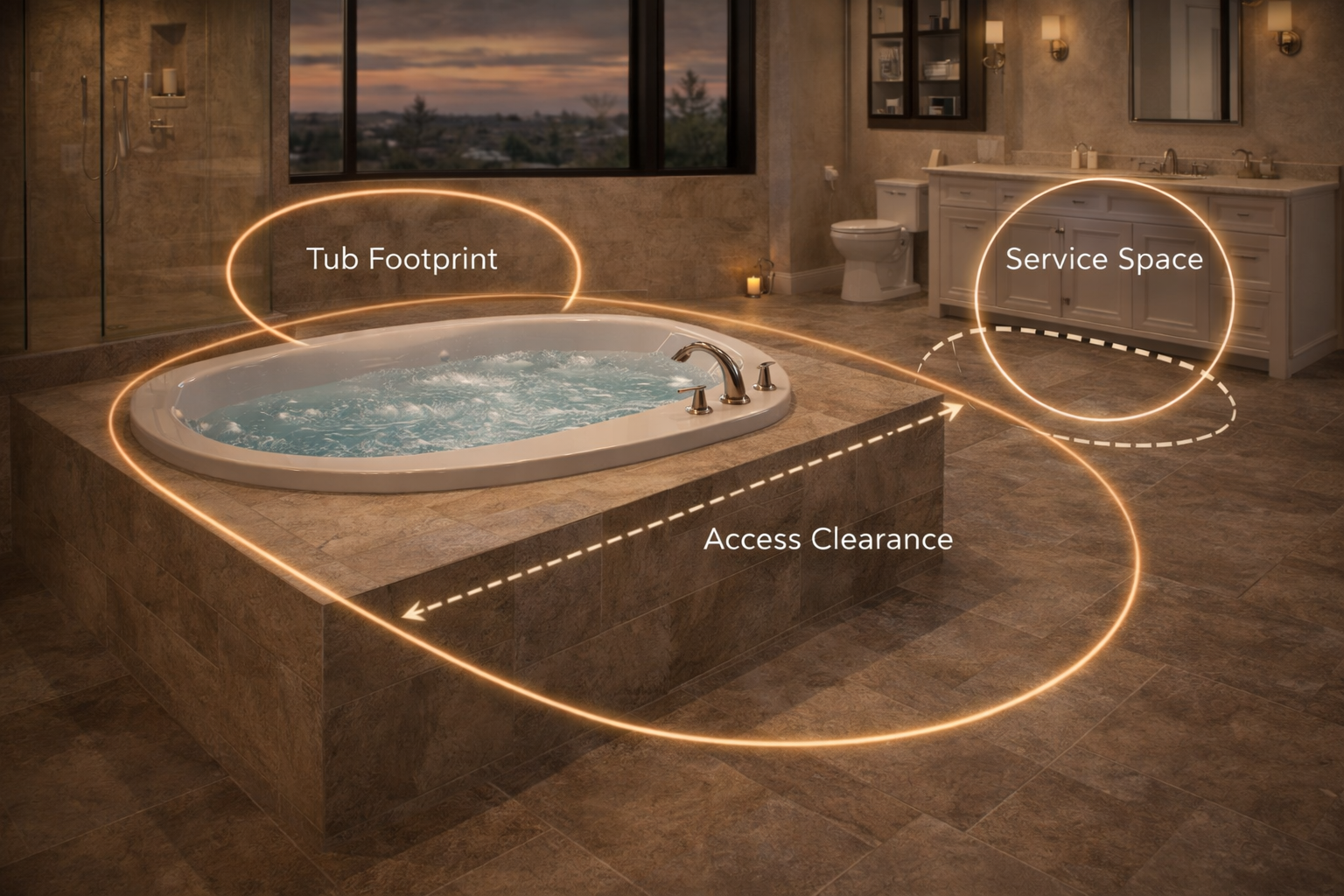
How Do Layout and Room Size Affect a Jetted Bathtub
Layout and room size matter because jetted bathtubs often take more space and need more planning than a regular tub. The bathroom has to support the tub footprint, access around it, service space where required, and the rest of the room functions such as the shower, vanity, and toilet.
Why Does Tub Footprint Matter So Much for a Jetted Tub
A jetted tub often has a larger body, deeper profile, or a surrounding deck that takes up more room than a basic tub. That footprint affects walking space, visual balance, and whether the bathroom still has enough room for other fixtures to work comfortably.
How Does Bathroom Size Change the Best Jetted Tub Strategy
In a larger bathroom, a jetted tub may fit into a dedicated bathing zone with more room around it and a stronger spa-style feel. In a smaller bathroom, the best strategy may be to skip the jetted tub entirely if it forces the rest of the room to feel tight or poorly planned.
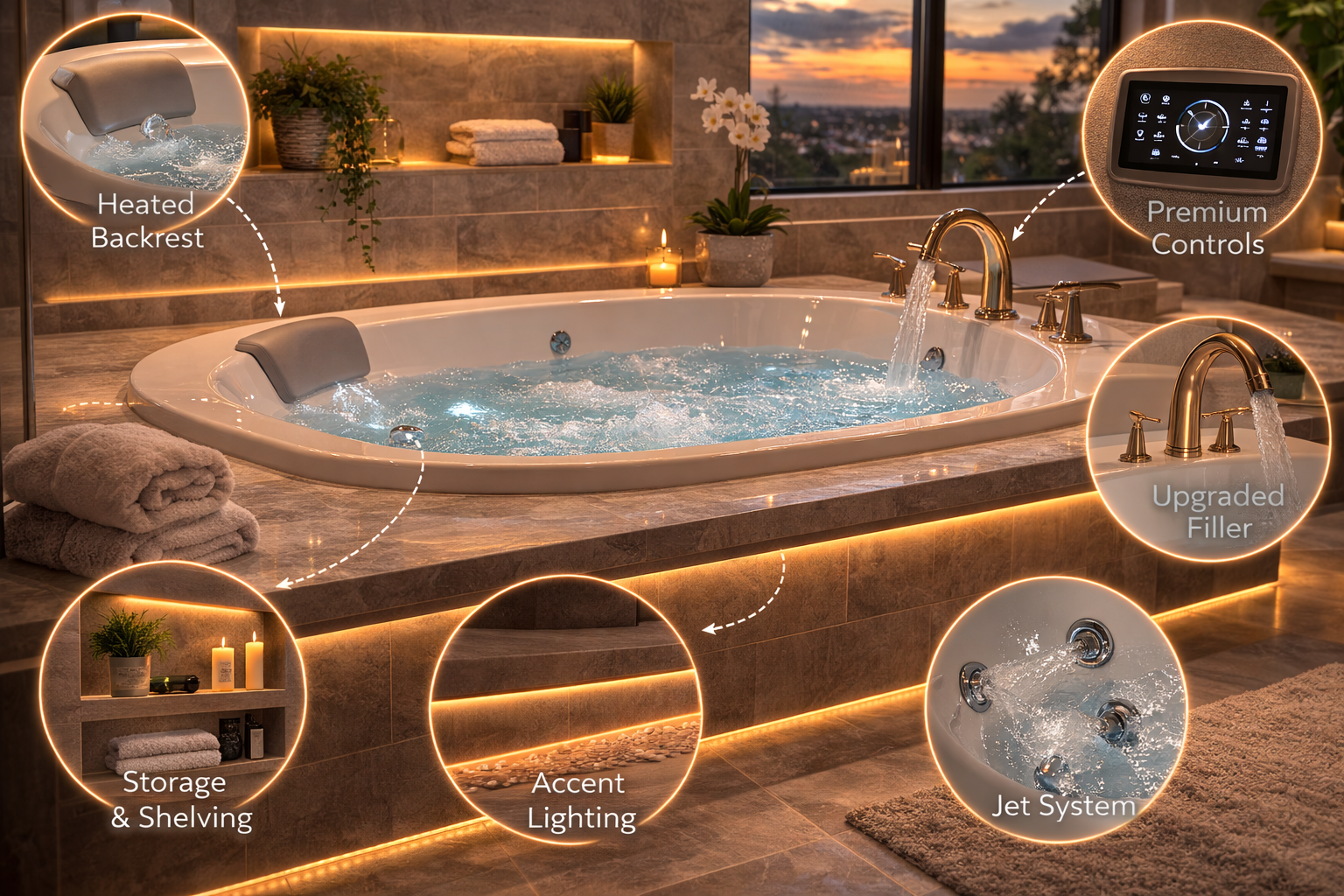
What Materials and Components Are Used With a Jetted Bathtub
A jetted bathtub project uses the tub shell, jet system, pump or blower components, controls, plumbing connections, electrical supply, access panels, and finish materials around the tub. The visible tub is only one part of the system. The working parts behind and below the tub matter just as much to long-term performance.
What Jetted Tub Materials Are Common
Acrylic is one of the most common jetted tub materials because it is lighter, easier to form around jet systems, and widely available in many shapes. Other options may include fiberglass-backed acrylic and specialty composite tubs depending on the product line and design goals.
What Mechanical and Finish Components Usually Change
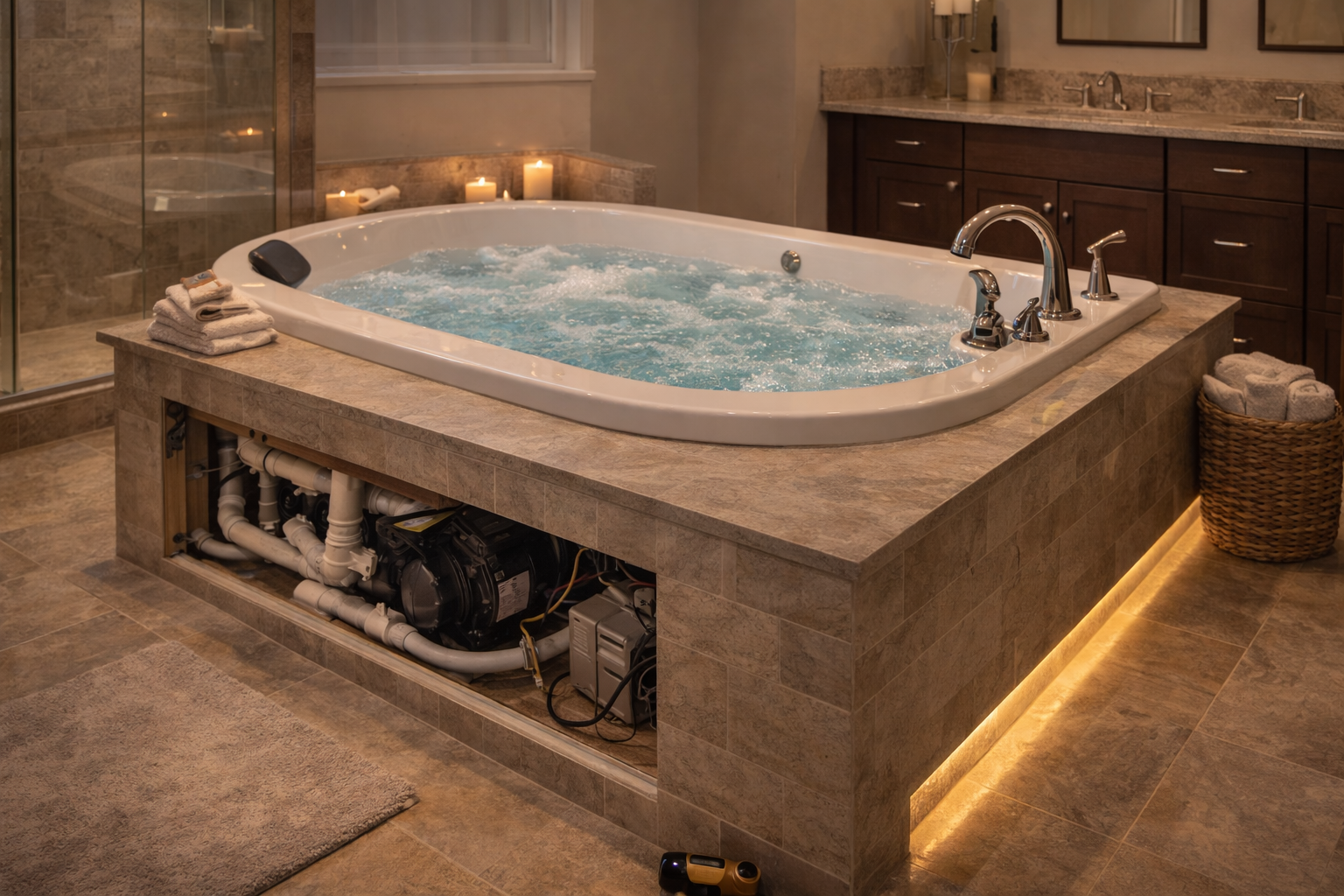
Jetted tub projects often involve pumps, blowers, control panels, jet trim, dedicated electrical supply, tub fillers, drain assemblies, and access panels that allow servicing later. Depending on the tub style, the project may also include a deck surround, tile work, or platform finishing around the tub.
What Upgrades Can Be Added With a Jetted Bathtub
Jetted tub work is often the best time to add upgrades that support comfort and ease of use. Common upgrades include heated backrests, inline heaters, better control panels, upgraded fillers, accent lighting nearby, and surrounding shelving or ledges that make the bathing area more usable.
What Functional Upgrades Are Most Useful Around a Jetted Tub
Functional upgrades often include easier controls, better access to tub products, stronger filler placement, and support features that make entering and using the tub more comfortable. These details matter because a jetted tub only adds value if it is used regularly and comfortably.
What Design Upgrades Usually Happen at the Same Time
Jetted tub projects often include tile or platform updates, improved lighting, nearby storage, upgraded wall finishes, and changes to the surrounding bathroom so the tub feels like part of a fully planned bathing zone instead of a single oversized fixture. For technical installation guidance, many pros refer to TCNA tile standards.
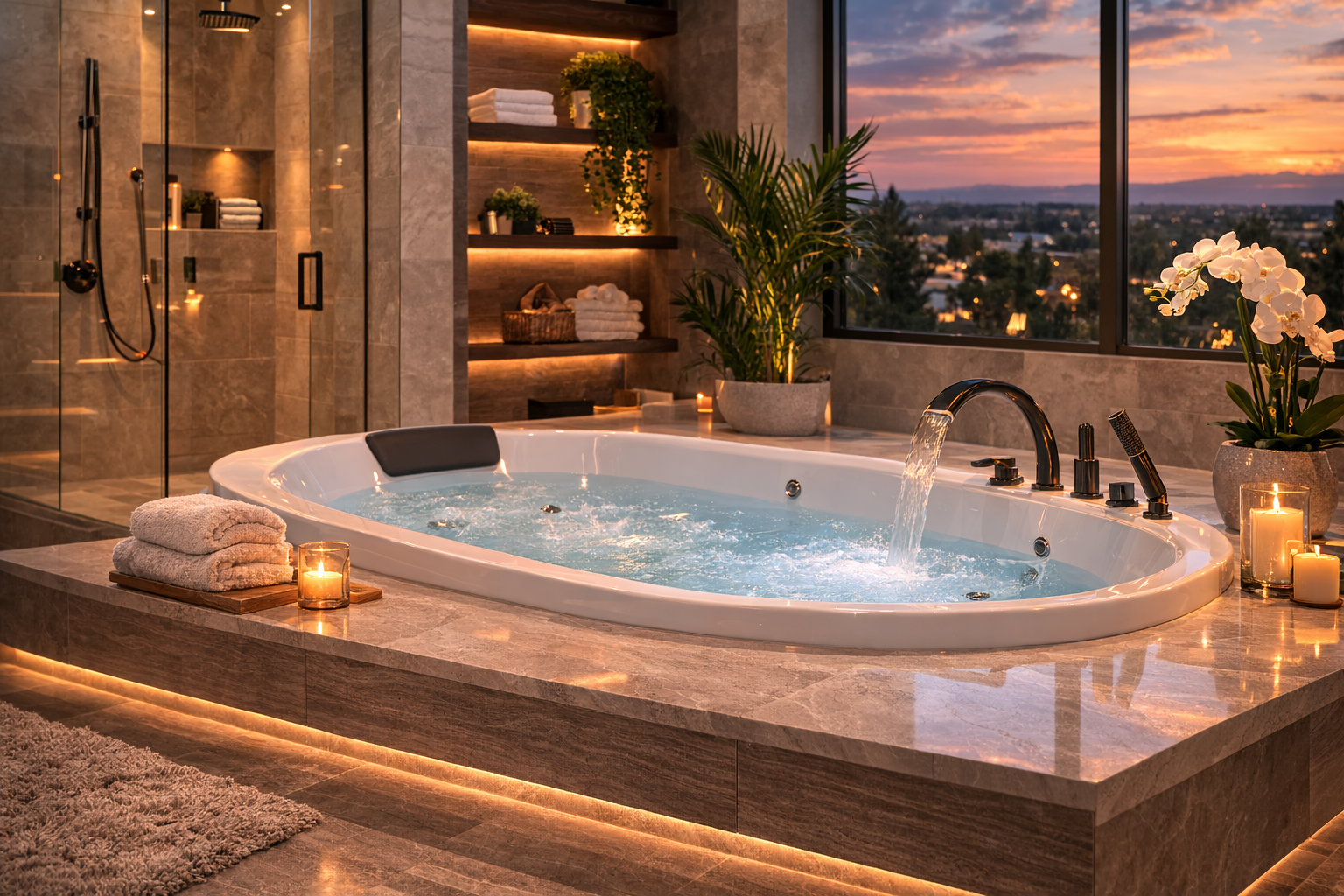
What Installation Details Matter With a Jetted Bathtub
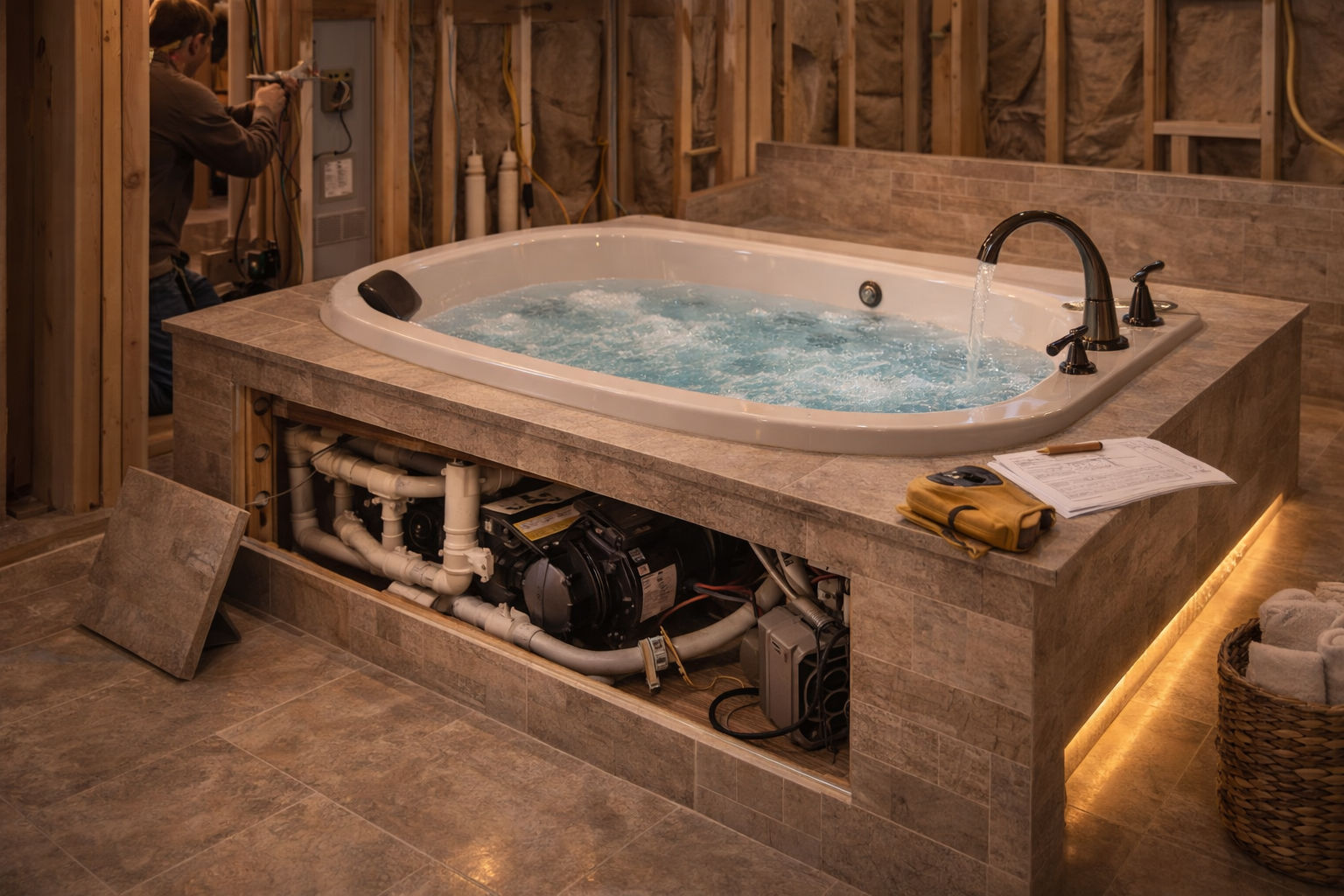
Jetted bathtub installation depends on plumbing, electrical supply, motor access, tub support, and how the surrounding finish is built around the unit. Because the tub includes mechanical equipment, the remodel has to plan for both installation and future service access instead of sealing everything permanently. Homeowners comparing options often look at bathtub remodel as part of the overall plan.
Why Do Electrical Access and Service Planning Matter So Much
A jetted bathtub usually needs dedicated power and safe access to the equipment that drives the system. If service access is ignored, even a simple repair later can become much more expensive because surrounding finish materials have to be opened to reach the pump or control parts.
What Placement and Support Problems Show Up During Installation
Common issues include not leaving enough space for service, poor support below the tub body, awkward control placement, and plumbing or electrical lines that interfere with the planned deck or finish materials. These are practical issues that affect whether the installation works well long after the remodel is finished.
What Affects Jetted Bathtub Cost
Jetted bathtub cost usually depends on tub size, tub type, jet system, electrical requirements, surrounding finish work, and whether the bathroom layout needs to change to support the tub properly. A jetted tub project usually costs more than a standard tub project because of the added mechanical and installation requirements.
Which Jetted Tub Choices Usually Raise the Cost
Costs usually rise with larger tubs, combination air-and-water systems, stronger control packages, premium fillers, custom deck surrounds, and more complex electrical or plumbing work. The more elaborate the jetted system and the surrounding finish, the more the cost usually climbs.
How Do Labor and Existing Conditions Change the Budget
Labor costs go up when the room needs electrical upgrades, when the floor or framing needs reinforcement, when the platform or deck has to be custom built, or when the remodel reveals hidden conditions that complicate the installation. Existing conditions matter because jetted tubs depend on more systems than standard tubs do.
What Mistakes Should Homeowners Avoid With a Jetted Bathtub
The biggest jetted bathtub mistakes usually happen when the tub is chosen for the idea of luxury without checking whether the bathroom supports it and whether the household will really use it. A jetted tub should fit the room, the maintenance expectations, and the daily habits of the people using the bathroom.
Why Is It a Problem to Choose a Jetted Tub Without Enough Space or Access
If the tub is too large, the room can feel crowded and the equipment may be harder to access later. A jetted tub needs enough space not only to fit visually but also to be serviced and used comfortably over time.
Why Is It Risky to Ignore Maintenance and Mechanical Complexity
A jetted tub adds pumps, controls, and cleaning considerations that do not exist with a simple soaking tub. If the homeowner wants the lowest-maintenance bathtub possible, a jetted model may not be the right fit even if it looks appealing in the showroom.
How Should You Plan a Jetted Bathtub
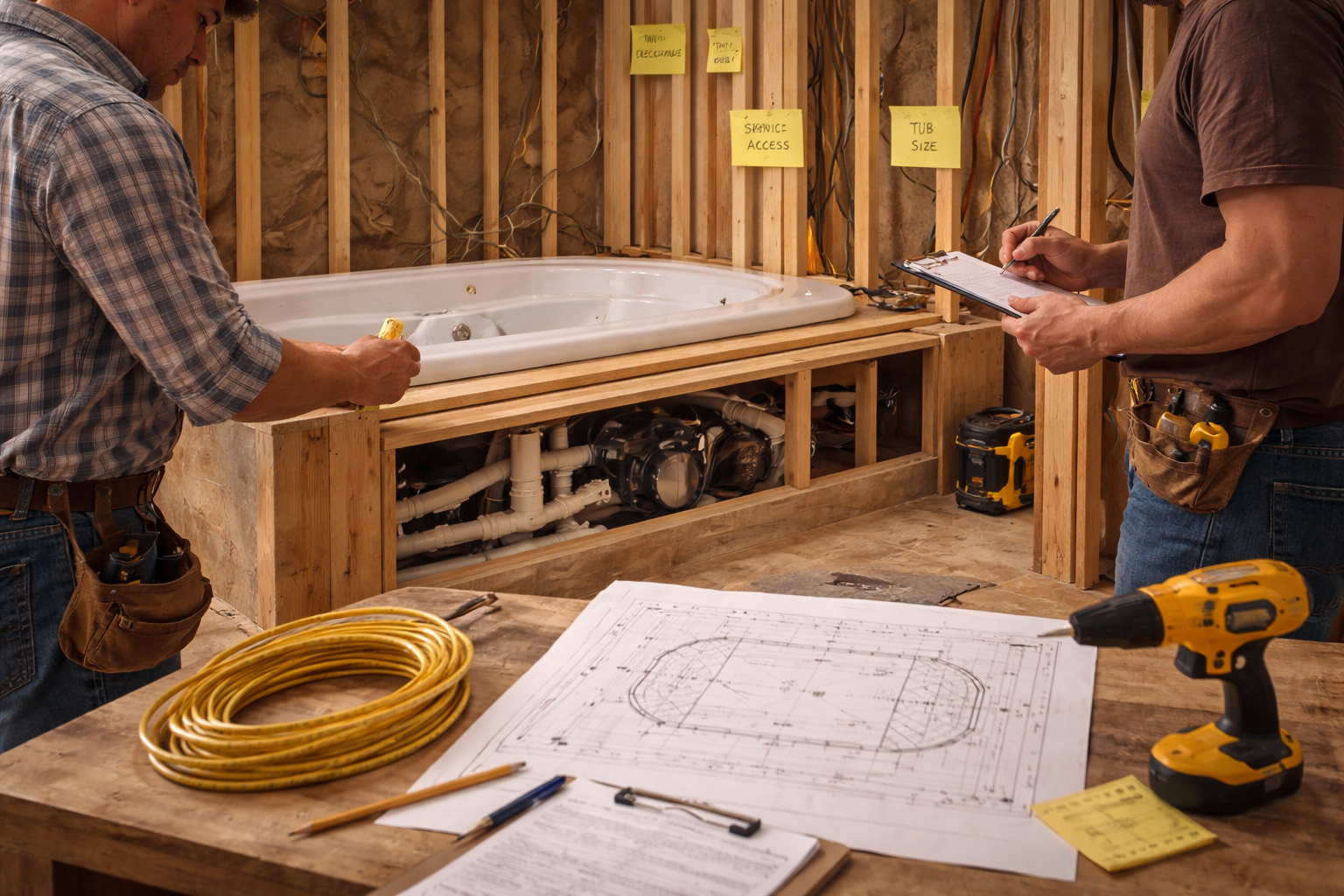
A jetted bathtub should be planned by measuring the room carefully, deciding how often the tub will really be used, and confirming the plumbing, electrical, and access needs before the finish materials are locked in. The best plan balances comfort, function, maintenance, and room layout instead of choosing the tub first and forcing the room around it.
What Should Be Decided Before Jetted Tub Work Starts
Before construction starts, it helps to confirm tub size, jet type, control style, electrical needs, drain and filler position, service access, surrounding finish materials, and whether the room still has enough usable space after the tub is installed. These decisions affect the whole remodel sequence.
How Can a Homeowner Prepare for the Installation Process
Homeowners should be ready for electrical planning, plumbing coordination, access panel design, possible floor or framing work, and the need to protect the surrounding finish as the tub and its systems are installed. Jetted tub projects usually go more smoothly when those details are addressed early instead of after the room is already finished. For layout and clearance planning, many designers reference NKBA planning guidelines.
Related Jetted Bathtub Topics
Jetted bathtub projects overlap with bathtub remodeling, soaking tubs, bathroom layout changes, electrical planning, and full bathroom remodeling because the tub affects the room around it and depends on more systems than a basic tub. Related topics help homeowners compare whether a jetted tub is the right bathing feature for their remodel.
Which Jetted Bathtub-Related Pages Should Connect to This Topic
Strong related pages include bathtub remodels, soaking tubs, freestanding bathtubs, bathroom layout changes, and luxury bathroom upgrades. Those topics help break down the comfort, layout, and design decisions that shape whether a jetted tub is the right choice.
Which Bathroom Remodeling Topics Often Connect to Jetted Tub Work
Jetted tub work often connects to flooring, lighting, ventilation, bathroom layout changes, and full bathroom remodeling. In practical remodels, these pieces overlap because the tub is both a feature and a system-driven installation.
Frequently Asked Questions About Jetted Bathtubs
A jetted bathtub is a bathtub with built-in jets that circulate water or air to create a massage-style soaking experience.
They can be worth it when the household actually enjoys baths often enough to use the added features. The value depends on how the tub will be used, not just how it looks.
A whirlpool tub typically pushes water through jets, while an air tub uses air jets for a gentler effect. The best option depends on the kind of bathing experience the homeowner wants.
Yes. Jetted tubs usually need electrical power for the pump, blower, or control system depending on the tub type.
They can be, because they include more mechanical parts and may require more cleaning attention than a simple soaking tub.
Sometimes, but the bathroom has to support the tub size, plumbing, electrical needs, and access requirements. Not every room is a good fit without other changes.
It can improve appeal in the right bathroom, especially when the tub fits the style and scale of a larger primary bath. In other bathrooms, it may be less important than layout or storage improvements.
The timeline depends on the tub type, whether electrical work is needed, and how much surrounding construction is required to support the installation.
Yes. Many jetted tubs are installed in deck or platform surrounds because that approach can help support the tub and integrate the mechanical system.
The first step is deciding whether the household truly wants and will use the jet features, then checking whether the bathroom has the space and systems to support the tub properly.