


Bathtub Remodel Guide: Design Ideas, Materials, Costs, and Planning
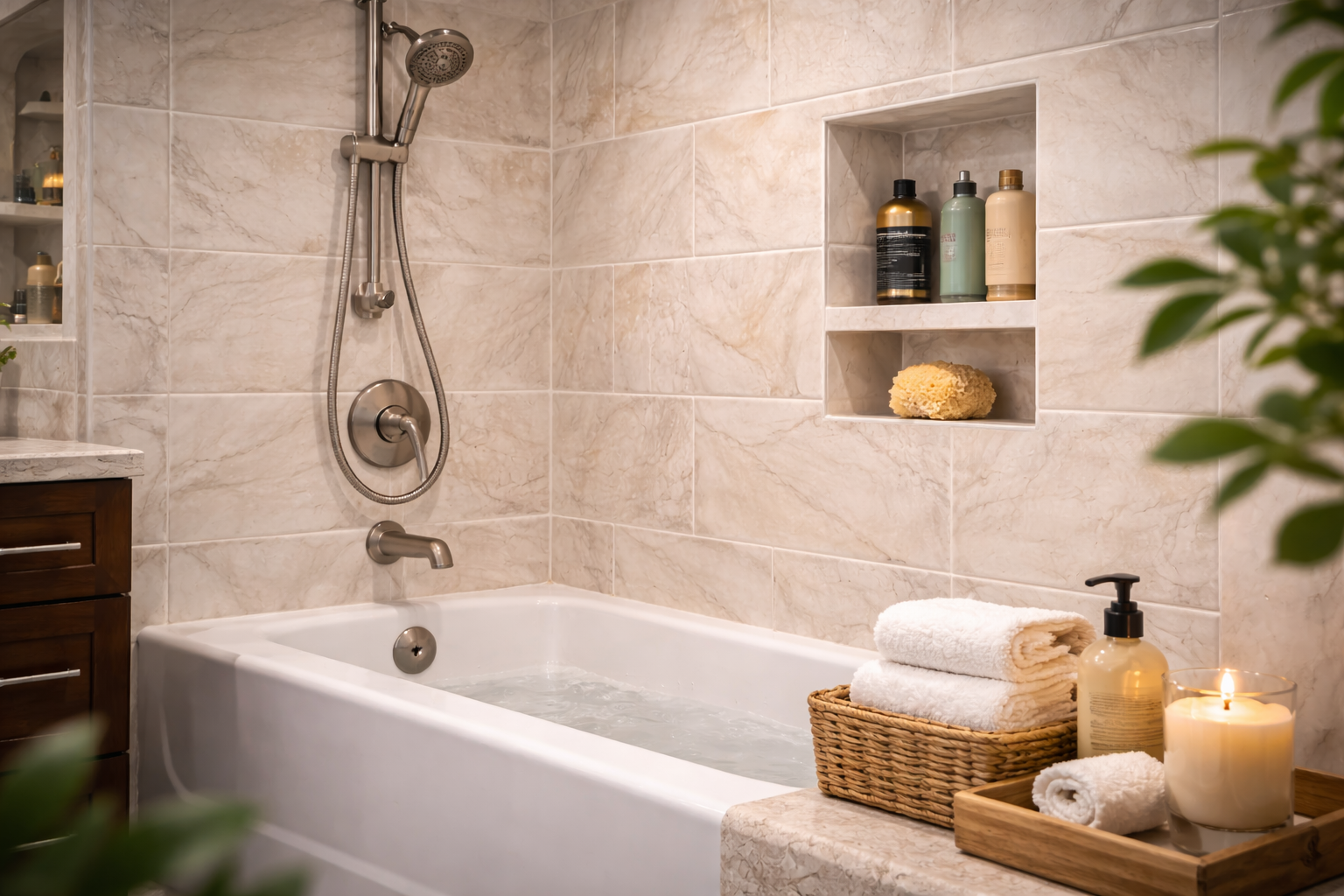
Bathtub Remodel Guide Index
- Bathtub Remodeling Overview
- When Should You Remodel a Bathtub
- What Types of Bathtub Remodels Are Available
- How Do Bathtub Layout and Design Choices Affect the Room
- What Materials Are Used in a Bathtub Remodel
- What Upgrades Can Be Added During a Bathtub Remodel
- What Installation Details Matter Most in a Bathtub Remodel
- What Affects Bathtub Remodeling Cost
- What Mistakes Should Homeowners Avoid During a Bathtub Remodel
- How Should You Plan a Bathtub Remodel
- Related Bathtub Remodeling Topics
- Frequently Asked Questions About Bathtub Remodeling
Bathtub Remodeling Overview
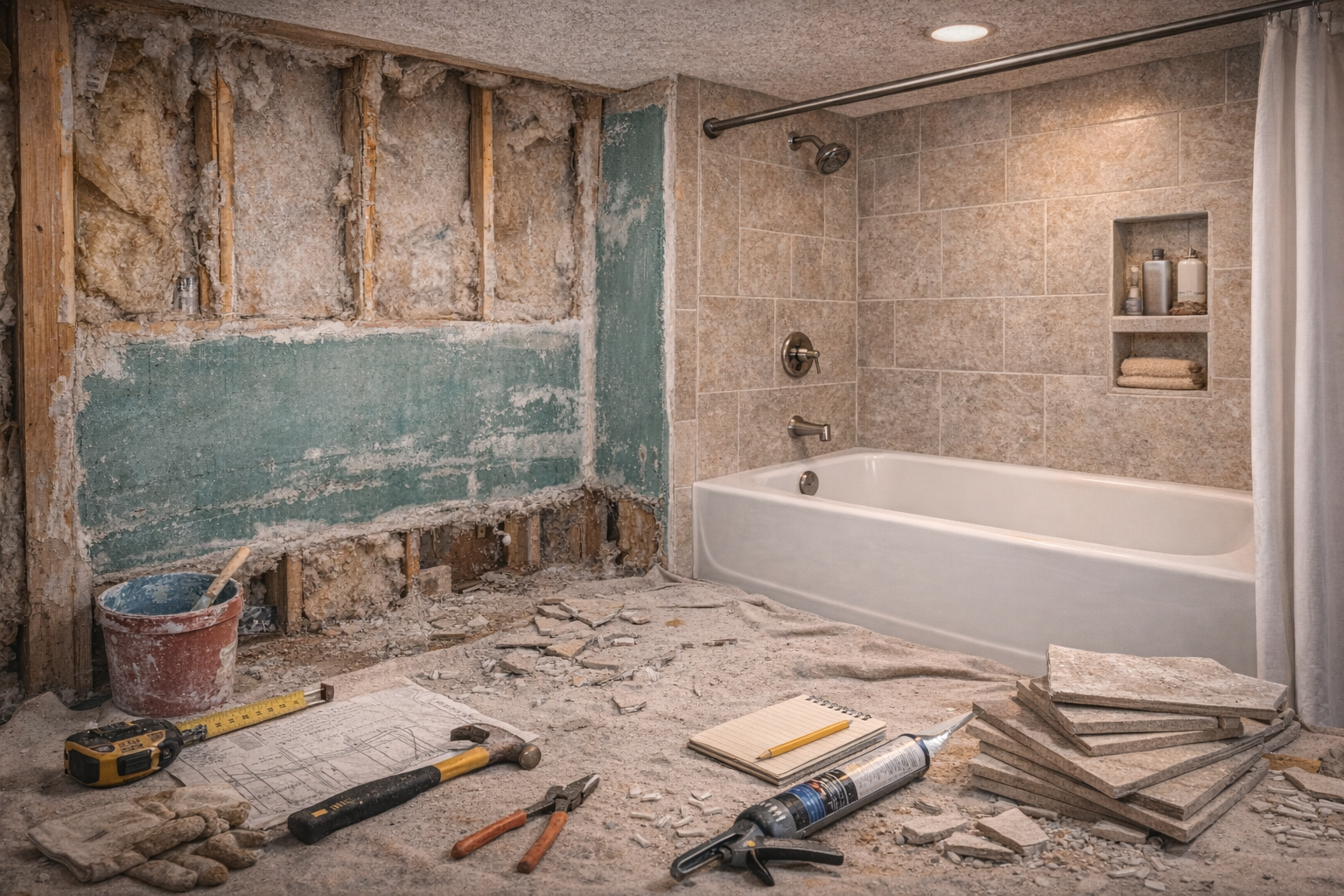
A bathtub remodel usually means removing an existing tub or rebuilding the tub area so the bathroom works better and looks cleaner. In practical terms, that can include replacing the bathtub, changing the wall surround, updating the tub valve and trim, repairing water-damaged framing, installing backer board and waterproofing, and finishing the area with tile or wall panels. Some bathtub remodels stay inside the existing alcove, while others change the style of the tub or rework the surrounding layout.
What Gets Updated During a Bathtub Remodel
The scope usually starts with the tub, tub drain, overflow, shower valve, spout, and the wall area around the tub. Depending on the condition of the bathroom, the work may also include demolition of old tile, new cement board or waterproof wall panels, plumbing adjustments, new trim, a shower curtain rod or glass panel, and paint or flooring repairs around the tub area.
What Is the Difference Between a Basic Replacement and a Full Bathtub Remodel
A basic bathtub replacement keeps the same general footprint and swaps out the old tub, surround, and fixtures. A full bathtub remodel goes deeper and may involve correcting bad framing, moving supply lines or the drain, rebuilding walls, changing the tub style, or improving storage and layout around the bathing area. The difference usually comes down to what is found during demolition and how much the homeowner wants to change.
When Should You Remodel a Bathtub
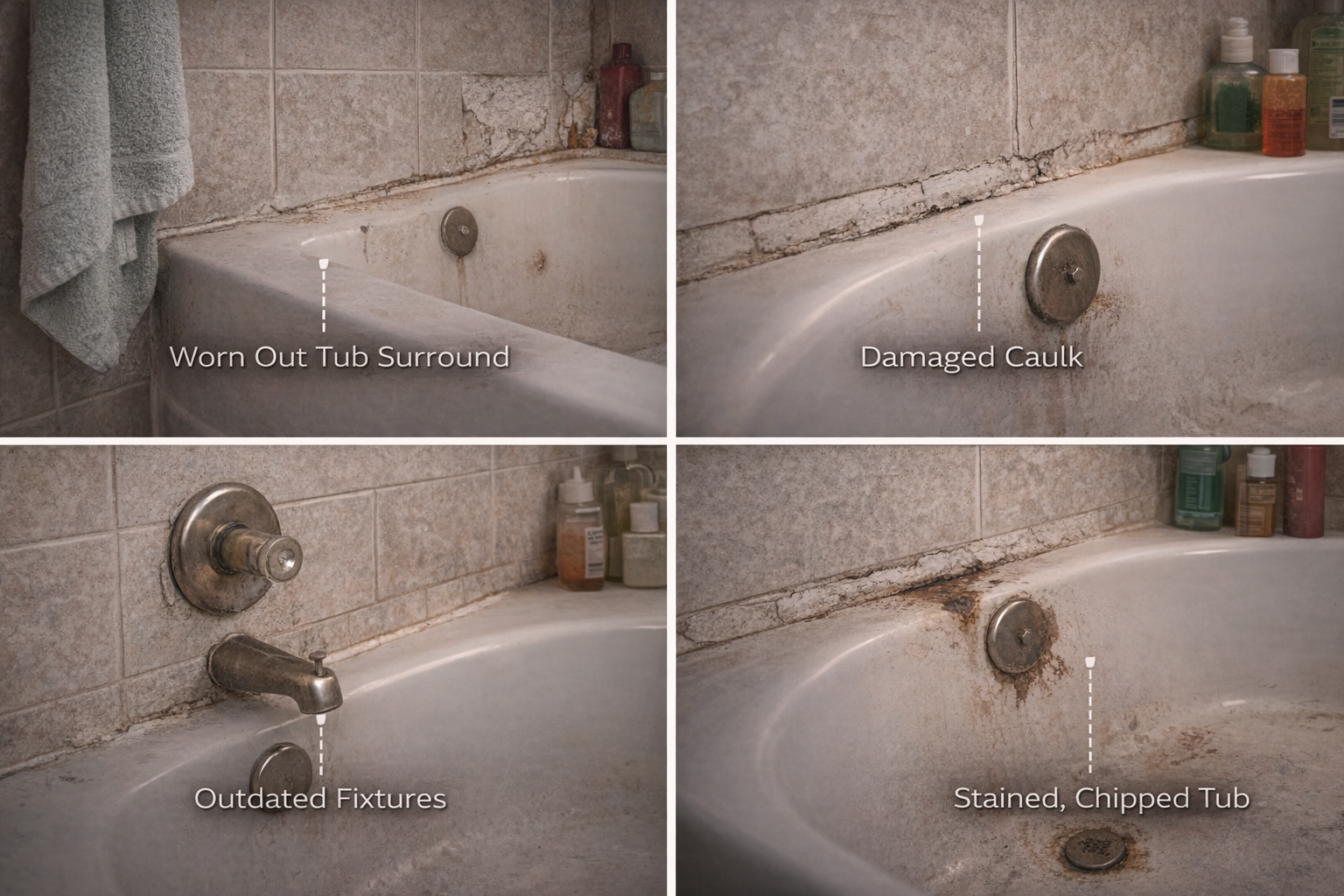
A bathtub should usually be remodeled when the tub area shows wear that cannot be solved with simple maintenance or when the setup no longer matches how the bathroom is used. Common triggers include cracked tile, soft drywall near the tub, stained or failing caulk lines, rust or chips in the tub surface, outdated plumbing trim, and surrounds that are hard to clean or keep sealed.
What Signs Show That a Tub Area Is Ready for Remodeling
Clear signs include loose wall tile, recurring leaks, mold around the surround, a drain that no longer fits tightly, outdated fiberglass enclosures, and a tub that is scratched, stained, or difficult to step into. If the tub apron, wallboard, or subfloor has been exposed to water over time, the remodel may also need structural repair behind the finished surfaces. Homeowners comparing performance goals can review Energy Saver ventilation guidance.
What Home Changes Often Lead to a Bathtub Remodel
A bathtub remodel often comes up when a family wants a safer tub-shower combination for children, when an older bathroom is being modernized before sale, or when a primary bath needs a deeper soaking tub or a cleaner, easier-to-maintain surround. It also comes up when nearby upgrades such as new vanity tops, flooring, or lighting make the old tub area stand out as unfinished.
What Types of Bathtub Remodels Are Available
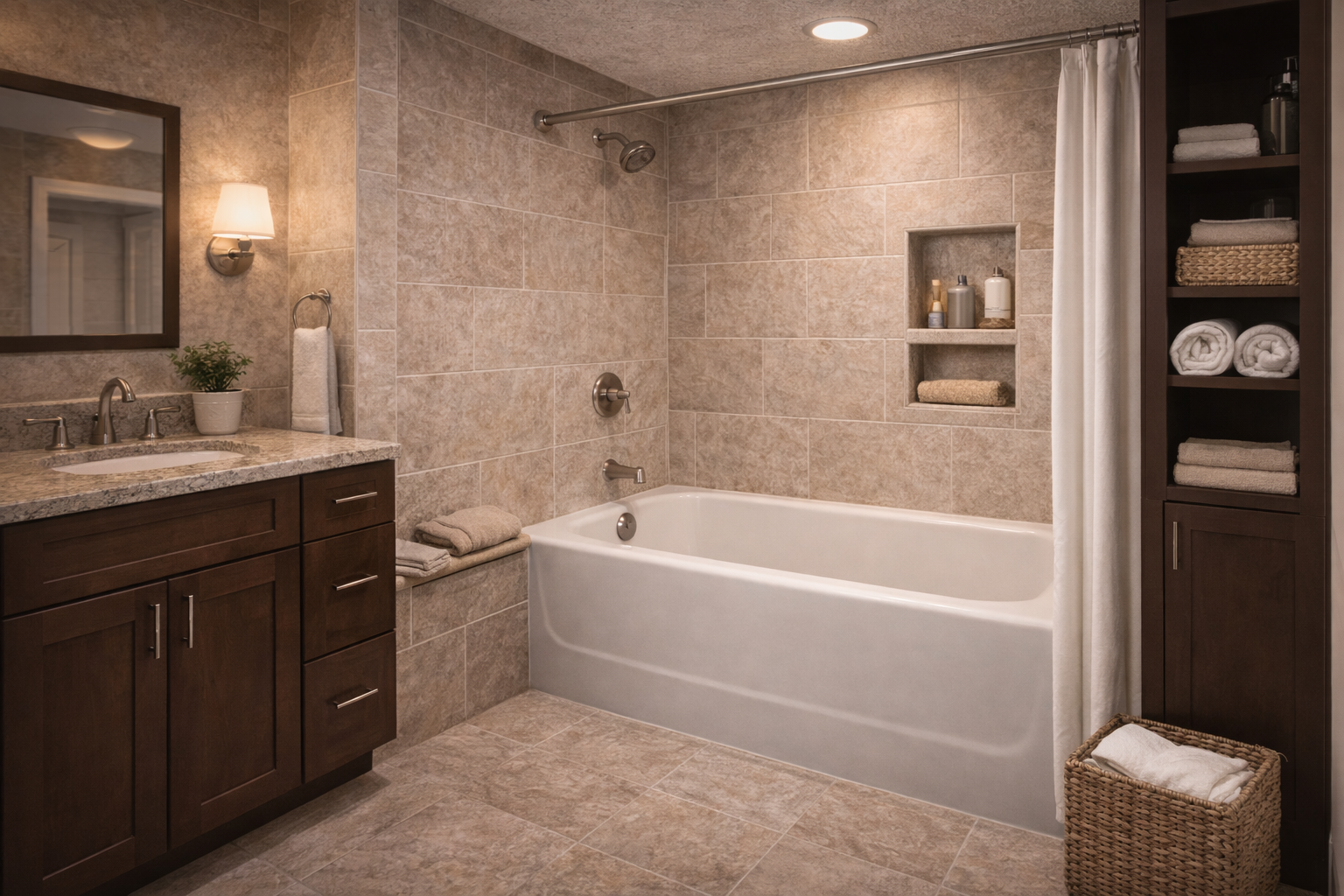
Bathtub remodels can be built around the existing bathroom footprint or around a new tub style. Common options include an alcove tub replacement, a tub-shower combination remodel, a freestanding soaking tub installation, a drop-in tub with a deck surround, or a walk-in tub for accessibility needs. The right option depends on bathroom size, plumbing location, and how the tub will actually be used. For homeowners prioritizing accessibility and easier entry, a walk in bathtub may be the best fit.
What Tub Styles Are Common in Remodeling Projects
The most common tub styles are alcove tubs, freestanding tubs, drop-in tubs, undermount tubs, soaking tubs, and walk-in tubs. Alcove tubs are practical in standard bathrooms because they fit between three walls. Freestanding tubs work best where there is enough open floor area around the tub. Drop-in and undermount tubs need a built platform or deck. Walk-in tubs are more specialized and are typically chosen for safety and accessibility.
When Does a Tub-Shower Combination Make the Most Sense
A tub-shower combination usually makes the most sense in hall bathrooms, guest bathrooms, and homes where at least one tub is still needed for children, bathing, or resale flexibility. It allows the remodel to serve both shower and tub use without needing a separate shower enclosure, which is especially useful when the bathroom is narrow or the plumbing wall is already in the right place.

How Do Bathtub Layout and Design Choices Affect the Room
Layout and design choices affect how easy the tub is to use, how the room flows, and how much work the remodel requires. Keeping the tub in the same location usually reduces plumbing labor. Moving the tub to another wall, changing from an alcove tub to a freestanding tub, or adding a deck-mounted filler changes both the design and the amount of construction needed.
How Does Tub Placement Change the Scope of Work
When the tub stays where it is, the remodel usually focuses on demolition, replacement, waterproofing, and finish work. When the tub moves, the job may require drain relocation, new supply lines, subfloor work, and reworking nearby walls. Even a small shift in tub position can affect tile layout, fixture placement, and floor repairs around the installation. For technical installation guidance, many pros refer to TCNA resources.
What Design Details Matter Around a Bathtub
Important design details include the height of the tub apron, the width of the deck edge, the type of surround material, niche placement, ledges for bottles or soap, and how the tub visually ties into the vanity, flooring, and wall color. In a practical remodel, good design is not just appearance. It also affects cleaning, splash control, storage, and how easy the tub is to step into and out of.
What Materials Are Used in a Bathtub Remodel
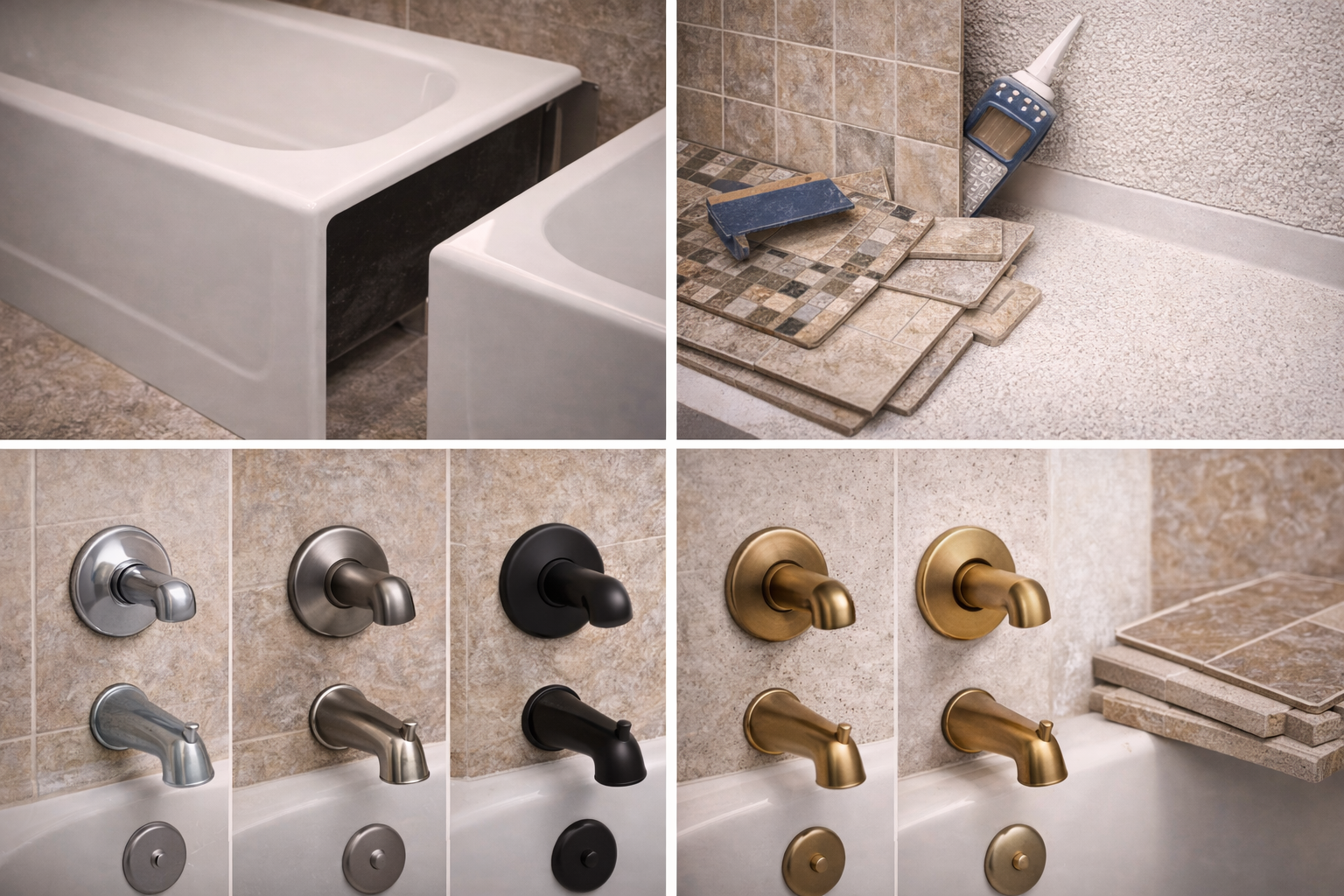
A bathtub remodel combines materials for the tub itself, the wall surround, waterproofing layers, plumbing trim, and sometimes the nearby floor or trim area. Typical tub materials include acrylic, fiberglass, cast iron, and solid-surface products. Typical surround materials include ceramic tile, porcelain tile, acrylic panels, composite wall systems, and stone-look slab panels. When comfort is the priority, a soaking tub often becomes the feature homeowners build the room around.
What Bathtub Materials Are Common and How Are They Different
Acrylic tubs are widely used because they are lighter, easier to handle during installation, and available in many sizes. Fiberglass tubs are often more budget-driven but may wear faster in some settings. Cast iron tubs are heavier and durable but may require extra attention to floor support and delivery access. Solid-surface tubs are chosen when the project needs a more custom or higher-end appearance.
What Wall Surround and Fixture Materials Are Usually Chosen
Tile is often chosen when the homeowner wants a more custom look, while acrylic and composite wall panels are often chosen for faster installation and lower grout maintenance. Fixture finishes usually include chrome, brushed nickel, matte black, and brass. The right combination depends on budget, cleaning expectations, and whether the project is a basic refresh or a more detailed bathroom upgrade.
What Upgrades Can Be Added During a Bathtub Remodel
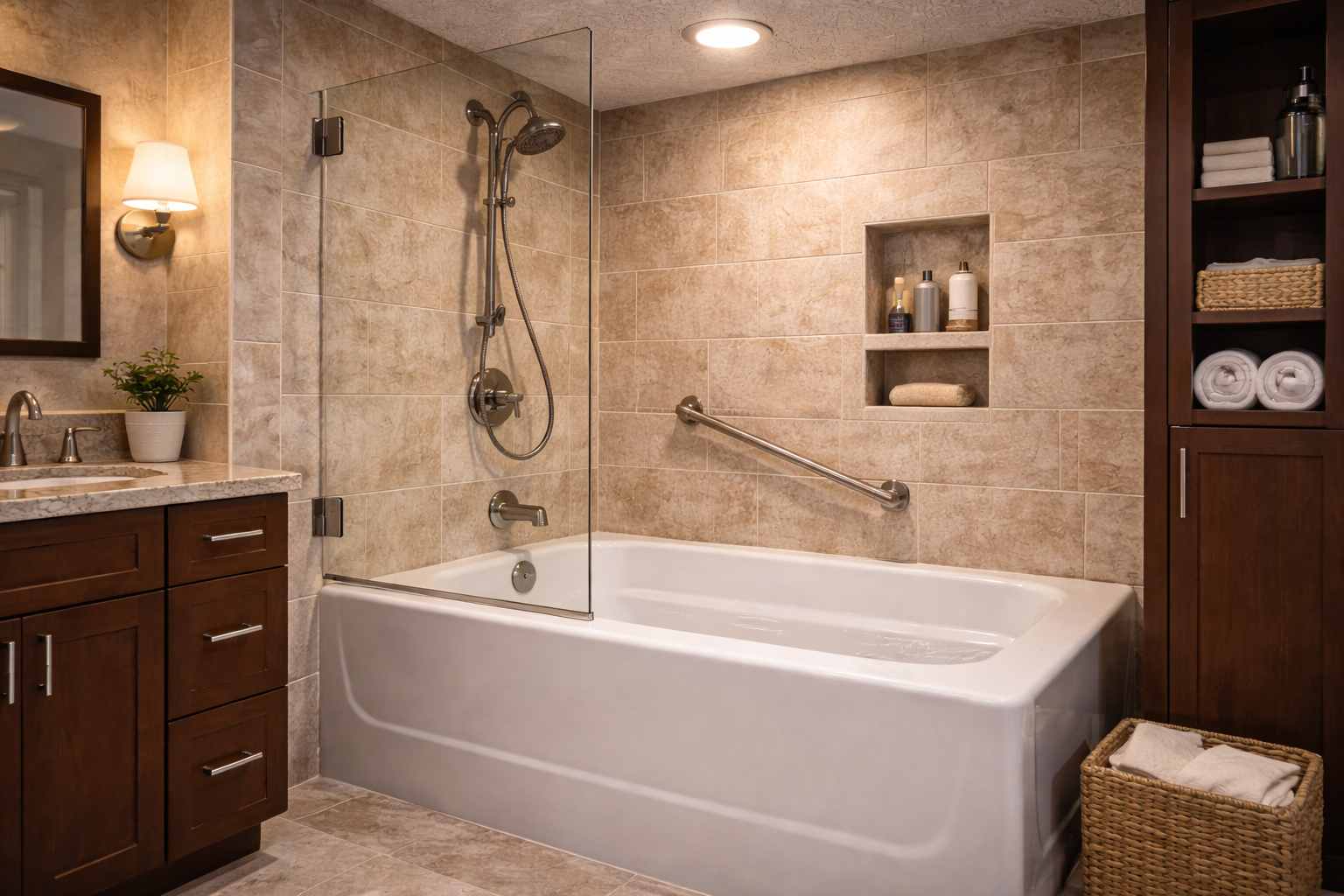
A bathtub remodel is often the best time to add upgrades because the walls are open and the plumbing is already being touched. Common upgrades include a deeper soaking tub, new shower trim, a handheld sprayer, built-in wall niches, glass panels, anti-slip surfaces, better exhaust ventilation, and blocking inside the walls for future grab bars. Homeowners looking for added comfort features often compare a jetted bathtub with more basic soaking options.
What Comfort Upgrades Are Common Around a Bathtub
Comfort upgrades often include soaking-depth tubs, smoother tub interiors, upgraded filler trim, custom tile surrounds, better lighting over the bathing area, and cleaner shelf or ledge details for shampoo and bath products. In a larger bathroom remodel, the tub area may also be tied to heated floors or decorative wall treatments so it feels like part of a complete upgrade instead of a patchwork replacement.
What Functional and Safety Upgrades Are Worth Considering
Functional upgrades can include slip-resistant tub floors, handheld shower heads, grab-bar backing in the walls, pressure-balanced valves, lower-maintenance wall systems, and better ventilation to control humidity. These changes are especially useful in bathrooms used by children, older adults, or guests because they improve safety and reduce long-term upkeep.
What Installation Details Matter Most in a Bathtub Remodel
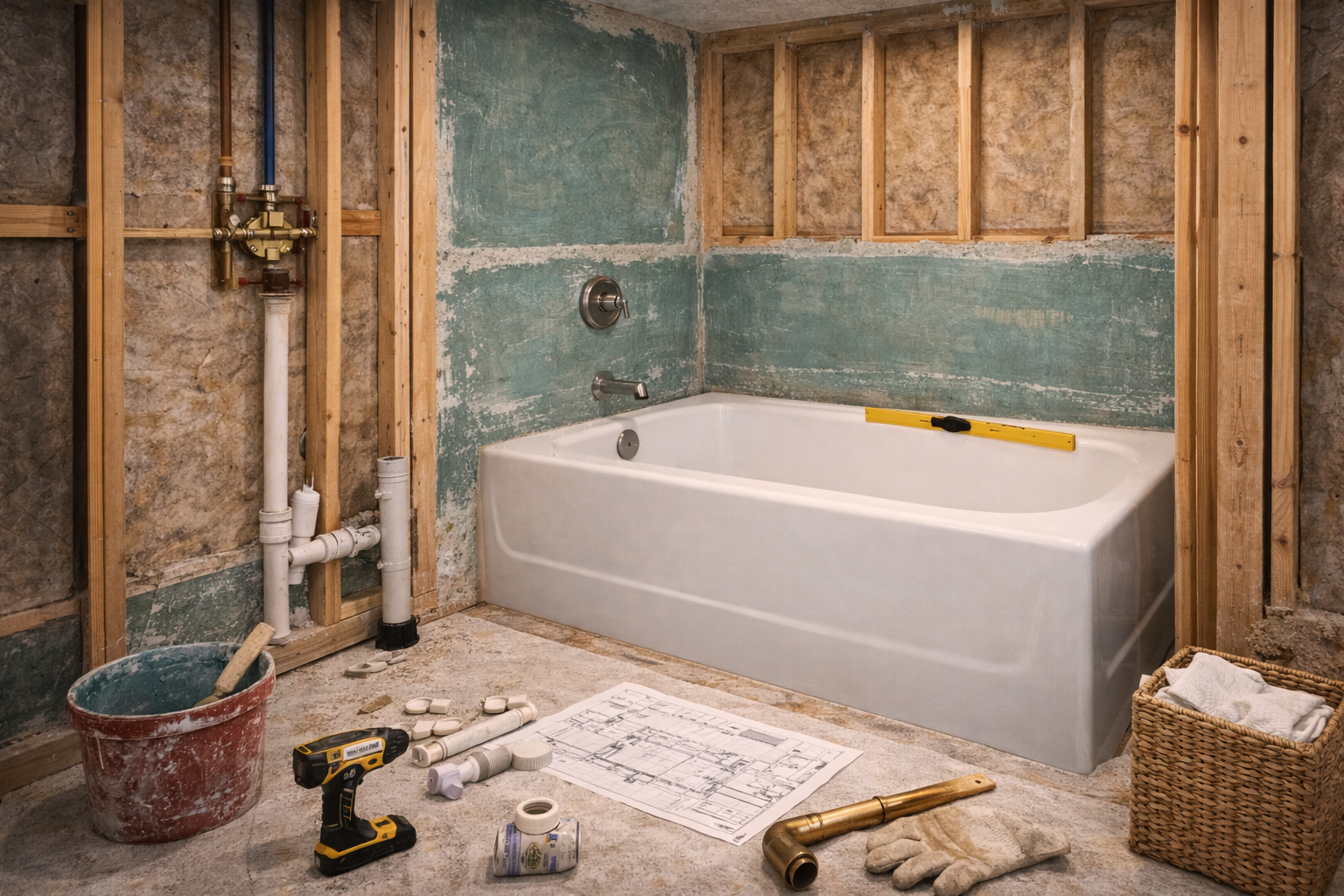
The installation details that matter most are the ones hidden behind the finished walls. A bathtub remodel has to deal with framing condition, tub support, drain alignment, valve placement, wall backing, waterproofing, and the transition between the tub and the finished surround. If those details are wrong, the remodel may look good at first but fail early. A freestanding bathtub is often chosen when the tub is meant to serve as a visual centerpiece.
Why Do Waterproofing and Framing Matter So Much
Waterproofing keeps repeated splash and steam from getting into the wall cavity. Framing matters because the tub flange, backer board, and finished surround all need a straight and solid surface. If the studs are out of plane or the backing is weak, tile lines can look off and water management around the tub edge can fail.
What Plumbing and Ventilation Problems Show Up During Tub Remodels
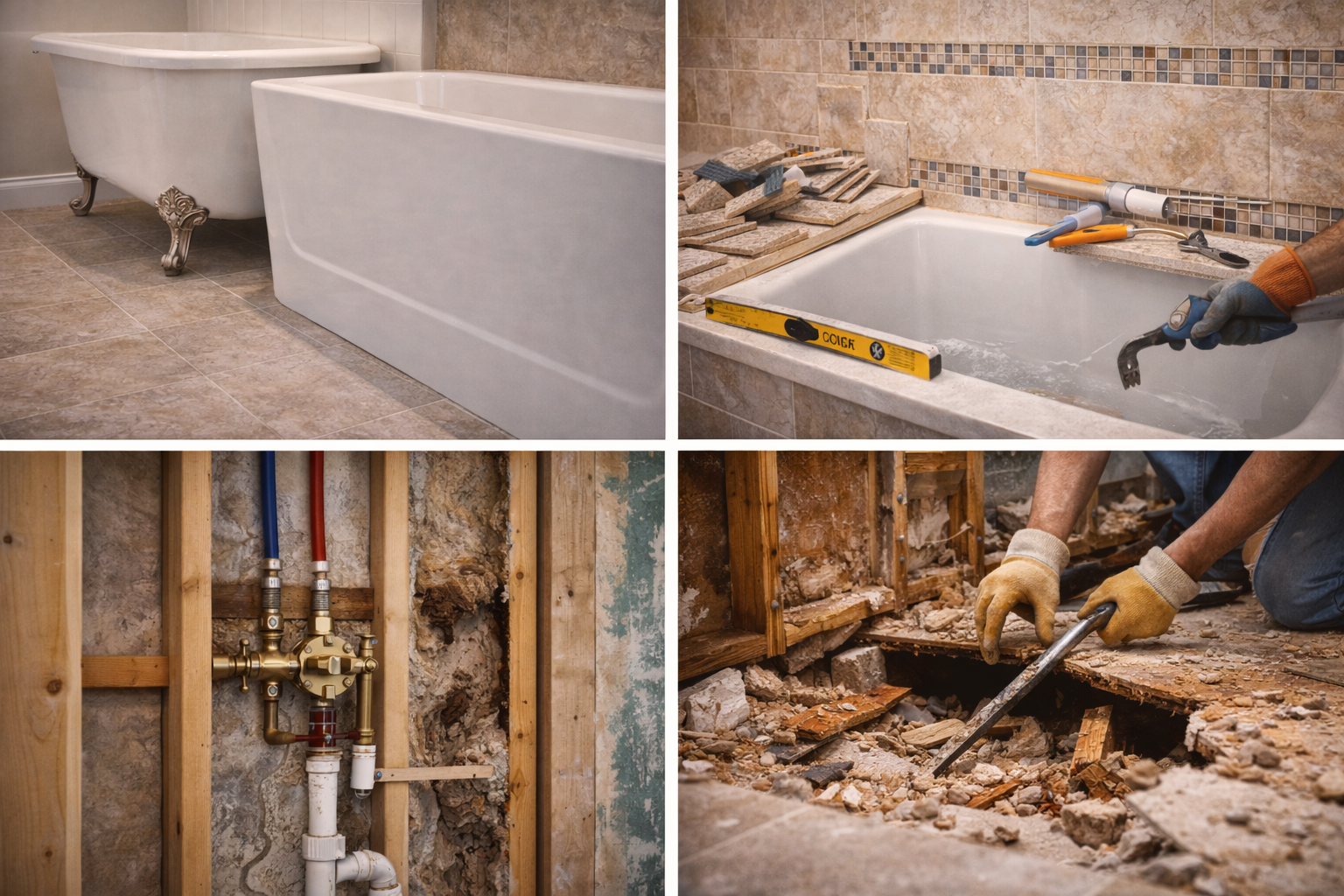
Common problems include corroded drains, old galvanized or mixed plumbing connections, poorly placed valves, slow venting, and bath fans that do not move enough moisture out of the room. During demolition, contractors sometimes also find hidden leaks, soft subfloor, or previous patchwork around the overflow and spout penetrations that needs to be corrected before the finish work starts.
What Affects Bathtub Remodeling Cost
Bathtub remodeling cost is usually shaped by the tub style, surround material, plumbing work, and how much repair is needed after demolition. Replacing a standard alcove tub with a similar new model is usually simpler than installing a freestanding tub, moving the drain, or building a tiled surround with niches and custom trim details.
Which Materials and Fixture Choices Increase Cost
Costs usually rise with cast iron tubs, freestanding tubs, tile surrounds, decorative tile layouts, premium valves and trim, slab wall systems, and specialty glass or shelving details. Budget choices usually include standard acrylic tubs, simpler fixture packages, and lower-maintenance wall panel systems that install faster than full tile. For layout and clearance planning, many designers reference NKBA planning guidelines.
How Do Labor and Hidden Conditions Affect the Budget
Labor increases when the project uncovers rot, plumbing problems, framing repairs, or old materials that require extra demolition and rebuilding. The budget also changes when the homeowner wants to move the tub, resize the surround area, or coordinate the job with flooring, vanity, lighting, or electrical work in the rest of the bathroom.
What Mistakes Should Homeowners Avoid During a Bathtub Remodel
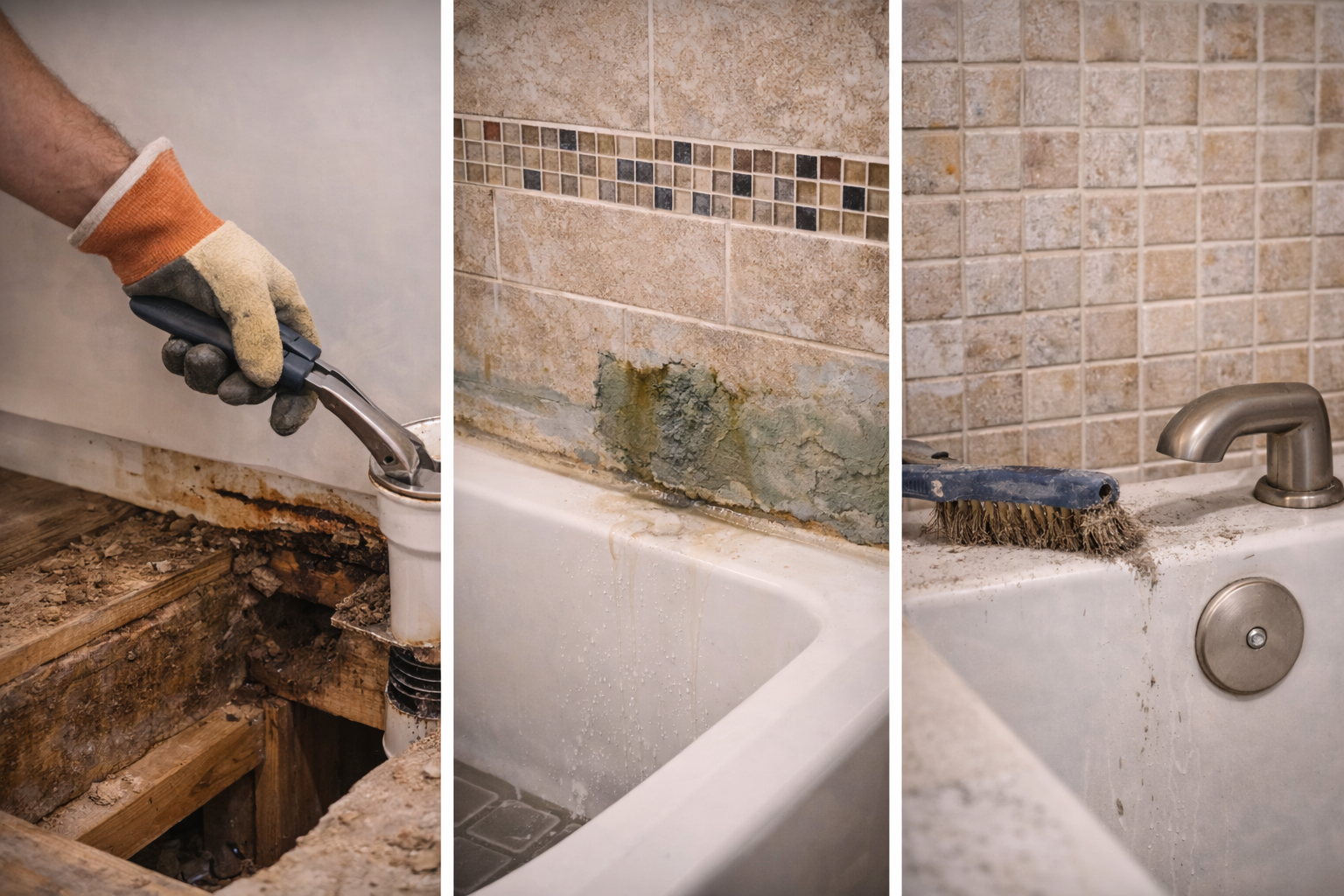
The most common bathtub remodeling mistakes happen when the project focuses only on finishes and ignores the work behind the walls. A new tub and clean tile do not solve the problem if the drain is loose, the framing is damaged, or the waterproofing is incomplete. Good bathtub remodeling starts with the hidden construction details and then moves to the finished look.
Why Is Choosing Materials Without Thinking About Maintenance a Problem
Some materials look good on sample boards but create more cleaning and upkeep than the homeowner expects. Small tile with a lot of grout joints, high-maintenance finishes, and splash-prone trim details can make the tub area harder to live with. A practical remodel should match the homeowner’s maintenance tolerance as much as their style preference.
Why Is It Risky to Underestimate Demolition and Prep Work
Demolition often reveals things the finished room was hiding, including old leaks, weak subfloor, patched plumbing, and framing that needs to be corrected before the new tub goes in. If that prep work is skipped or minimized, the finish materials are being installed over a weak foundation, which shortens the life of the remodel.
How Should You Plan a Bathtub Remodel
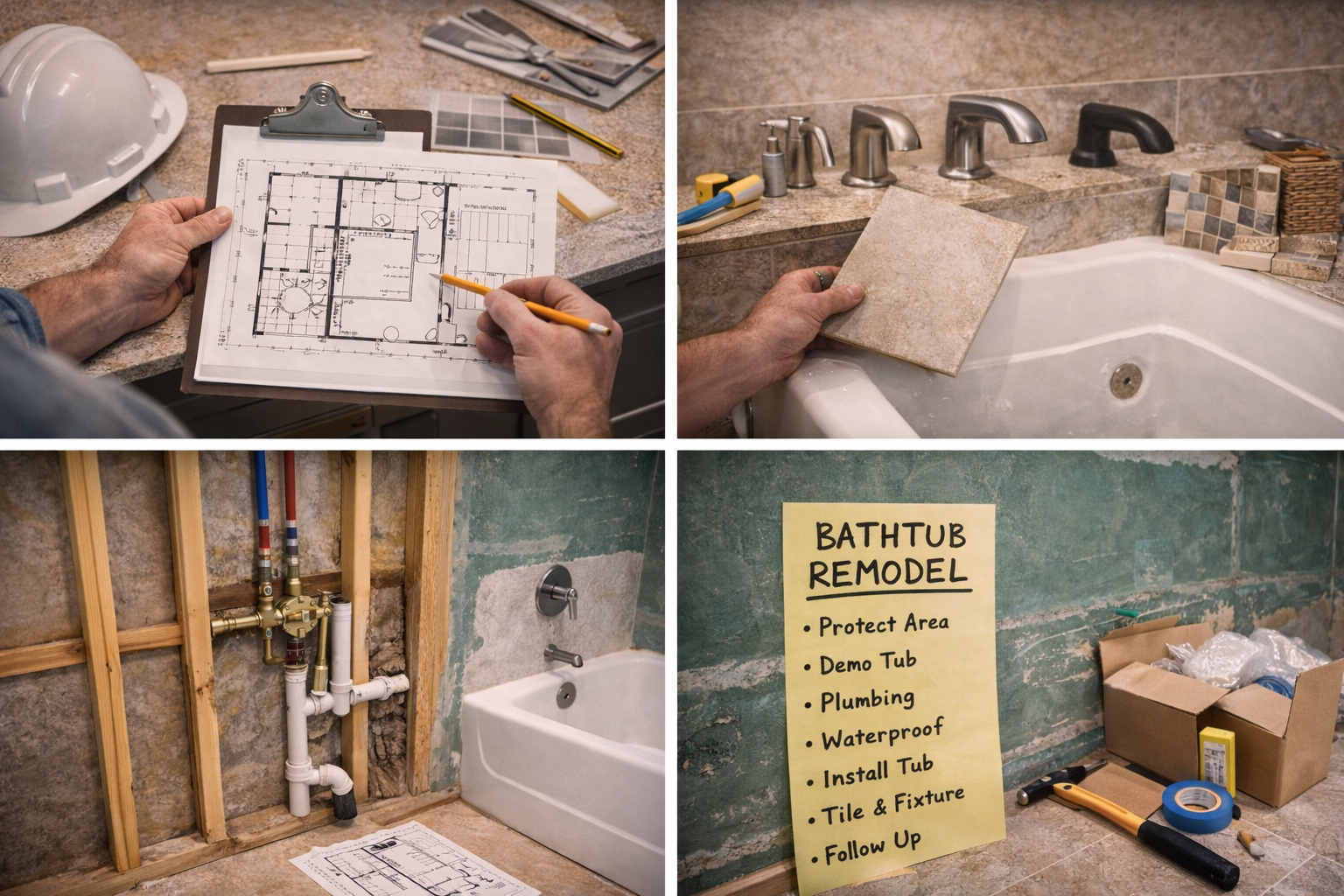
A bathtub remodel should be planned by deciding what problem the project is solving first. That may be a worn-out tub, a leaking surround, outdated finishes, or a bathroom that needs a safer or more useful bathing setup. Once that is clear, the next decisions usually involve tub type, surround material, fixture package, plumbing limitations, and how much of the surrounding bathroom should be updated at the same time. Tub upgrades are usually easiest to plan when they are considered within the larger scope of bathroom remodeling.
What Should Be Decided Before Construction Starts
Before demolition starts, it helps to lock in the tub size, drain orientation, valve style, surround material, niche layout, fixture finish, and any related work such as new flooring or vanity updates. It also helps to confirm whether the existing framing, plumbing, and ventilation are likely to stay or be upgraded so the scope does not shift mid-project without warning.
How Can a Homeowner Prepare for the Construction Process
Homeowners should expect dust, demolition noise, material delivery, temporary loss of the tub area, and the possibility of hidden repairs once the walls are opened. Good preparation includes protecting adjacent areas, planning around bathroom downtime, confirming material lead times, and understanding whether the remodel is a direct replacement job or a deeper rebuild of the tub area.

Related Bathtub Remodeling Topics
Bathtub remodeling usually overlaps with other bathroom projects because the tub area ties into plumbing, waterproofing, flooring, and wall finishes. Related topics help homeowners compare whether they should keep the current tub setup, convert it, or expand the project into a broader bathroom renovation.
Which Bathtub-Related Pages Should Connect to This Topic
Strong related pages include bathtub replacement, tub-shower combination remodeling, tub-to-shower conversion, bathtub wall surrounds, walk-in tubs, and soaking tub design. Those pages let homeowners compare specific tub options instead of trying to fit every detail into one page.
Which Bathroom Remodeling Topics Often Connect to a Tub Project
Tub projects often connect to bathroom flooring, vanity remodeling, lighting upgrades, bath fan improvements, waterproofing systems, and full bathroom remodeling. In real projects, those items often get touched at the same time because the room is already under construction and the finishes need to work together.
Frequently Asked Questions About Bathtub Remodeling
A bathtub remodel timeline depends on whether the project is a direct tub swap or a more involved rebuild with new tile, plumbing work, waterproofing, and finish repairs. A simple replacement usually moves faster than a custom installation that includes demolition repairs and surround work.
Refinishing makes the most sense when the tub is structurally sound and the goal is mainly to improve the surface appearance. Replacement is usually the better option when the tub is worn out, outdated, leaking around the edges, or part of a larger remodeling plan that already includes surround and fixture updates.
Yes. Keeping the same layout is one of the most common ways to control cost and reduce plumbing work. If the existing tub location works well, the remodel can focus on replacing the tub, rebuilding the surround, and improving finishes without changing the room layout.
The best bathtub material depends on budget, maintenance goals, and installation conditions. Acrylic is common because it is lighter and widely available, while cast iron is chosen for durability and a heavier feel. The best option depends on the project rather than a single universal rule.
They can improve appeal by making the bathroom cleaner, more functional, and more current. The biggest value usually comes when the remodel fixes obvious wear, updates outdated finishes, and fits the kind of bathroom buyers expect in that home.
Yes. A tub-shower combination is one of the most practical bathtub remodeling setups, especially in hall baths, family bathrooms, and homes where a dedicated tub is still useful for children or resale.
The most important part is the hidden work behind the finish materials. Proper waterproofing, solid framing, accurate drain and valve placement, and a correctly built surround matter more than surface appearance alone.
That depends on local code and on how much of the plumbing or structure is being changed. A direct replacement may be simpler, while a remodel that moves the tub or alters plumbing, electrical, or framing may require permits and inspections.
Tile, acrylic wall systems, and composite panels are all common choices. Tile gives more design flexibility, while panel systems usually install faster and reduce grout maintenance. The best choice depends on budget, cleaning preferences, and the look the homeowner wants.
Yes. A bathtub remodel can improve accessibility through safer tub surfaces, handheld fixtures, better valve placement, grab-bar backing, and layout choices that make entry, exit, and daily use easier.